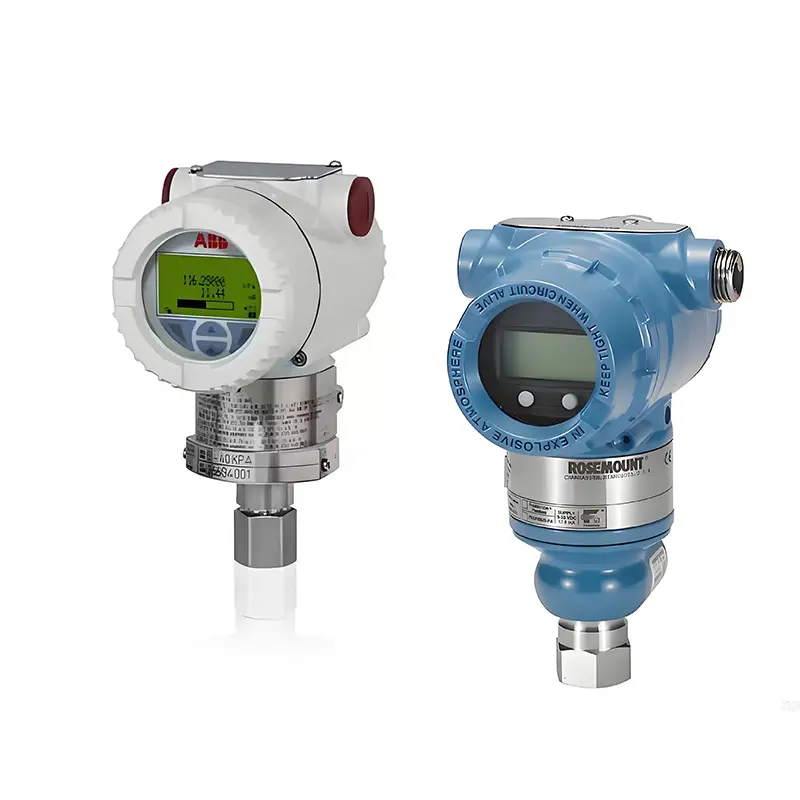
Replacing a Rosemount pressure transmitter using its model code is possible, but the model code should be checked carefully before ordering a replacement. Rosemount model codes contain important configuration information, but buyers should not rely only on a short series name or incomplete code.
A Rosemount pressure transmitter replacement should match the actual measuring range, output signal, process connection, wetted material, approval requirement and installation condition.
Start With the Complete Model Code
The complete model code is the first reference for replacement. A short name such as a series number is not enough because one series can include many configurations.
A complete model code may help identify:
- Pressure type
- Range code
- Output signal
- Process connection
- Housing material
- Display option
- Diaphragm or wetted material
- Approval code
- Diaphragm seal or capillary structure, if included
If the model code is incomplete, the replacement may not match the old transmitter.
Use the Nameplate Photo
A nameplate photo is usually more reliable than a typed model code. Typed codes can be copied incorrectly, especially when the code is long.
A clear nameplate photo can help check:
- Model code
- Serial number
- Range
- Output signal
- Approval marking
- Brand and series
- Manufacturing information
If the transmitter is still installed, an installation photo is also useful. It can show the process connection, valve, bracket, cable entry and surrounding space.
Check Whether the Same Model Is Still Available
Sometimes the same Rosemount model or configuration may still be available. In this case, replacement is easier. The supplier can quote according to the complete model code and required documents.
But in some cases, the old model may have a long lead time, limited availability or discontinued configuration. Then the buyer may need to consider an equivalent model or alternative solution.
Before choosing an alternative, confirm whether the project allows replacement by equivalent technical configuration.
What Must Match in a Replacement
A replacement transmitter does not always need to look exactly the same, but key technical details must match.
Important points include:
- Measuring range and pressure type
Gauge pressure, absolute pressure, differential pressure and compound pressure are not the same. - Output signal
The replacement must match the PLC, DCS or display system. - Process connection
Thread, flange, adapter and diaphragm seal connections must match the installation. - Wetted material
The material must be suitable for the medium, especially for corrosive applications. - Approval requirement
If the old transmitter is explosion-proof or intrinsically safe, the replacement must meet project requirements. - Installation size
The replacement should fit the available space and mounting method.
Be Careful With Diaphragm Seal Models
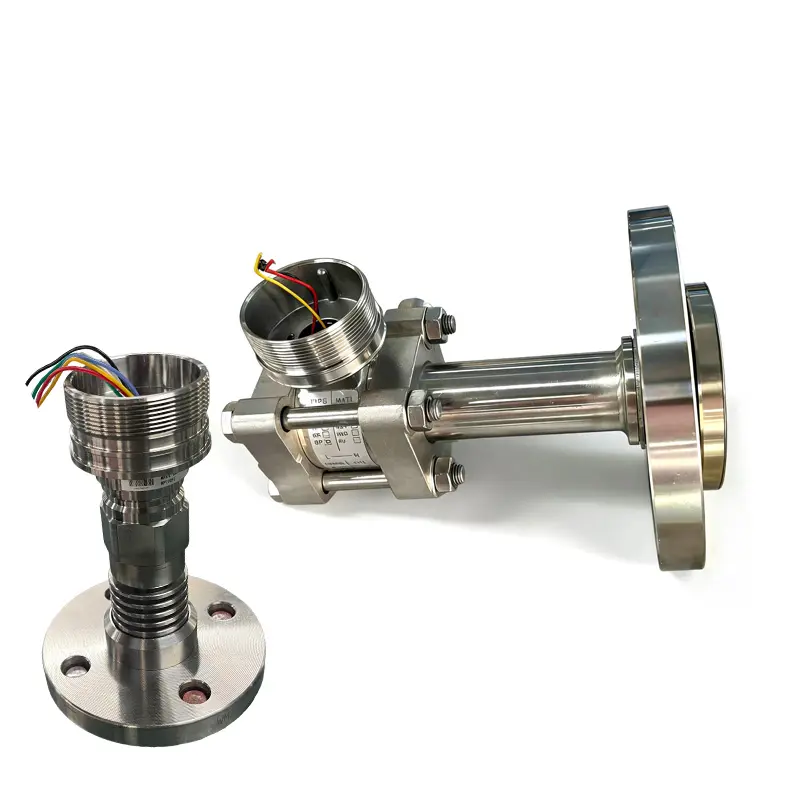
Rosemount diaphragm seal pressure transmitters need extra checking. The model code may include the transmitter, seal type, flange, diaphragm material, capillary length and filling fluid. These details directly affect performance and installation.
For diaphragm seal replacement, buyers should confirm:
- Flange size and rating
- Diaphragm material
- Capillary length
- Filling fluid
- Working temperature
- Installation height
- Measuring range
Replacing only the transmitter body without checking the seal system may cause problems.
When an Equivalent Replacement Can Be Considered
An equivalent replacement may be considered when the original model has a long lead time, high cost or is difficult to source. This can be practical for non-critical applications or when the project allows technical alternatives.
An equivalent replacement should match the real application, not only the old appearance. The medium, pressure range, connection, output signal and material should be checked carefully before ordering.
Conclusion
Replacing a Rosemount pressure transmitter using its model code starts with a complete model check, but the model code should not be the only basis. Buyers should also check the nameplate, working condition, process connection, wetted material, output signal and approval requirement.
SIY Electric can help check Rosemount pressure transmitter model codes, nameplate photos and replacement requirements. If the original model is hard to source, we can also help compare equivalent pressure transmitter replacement options.