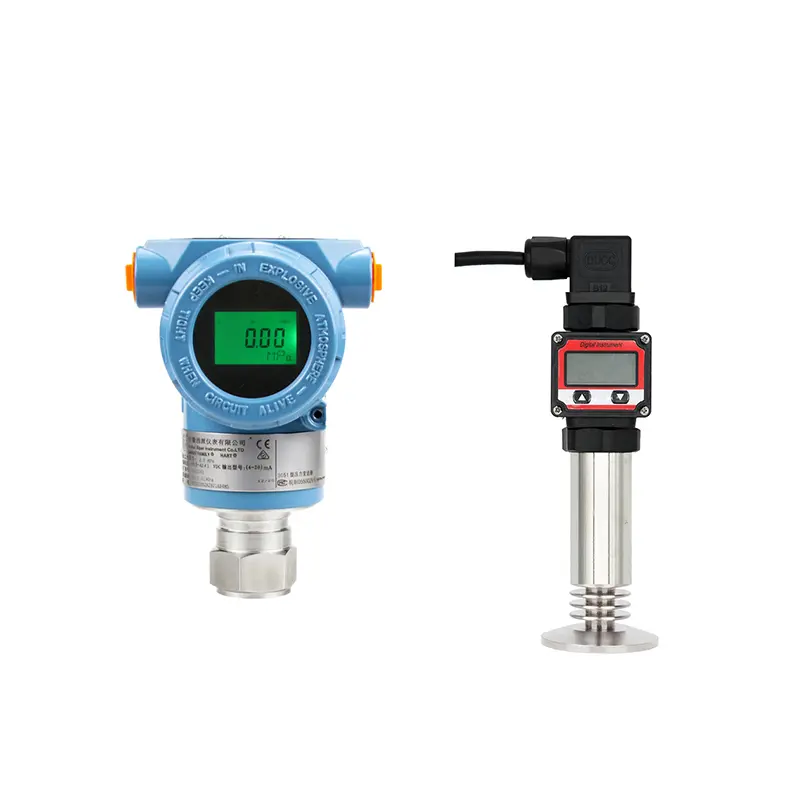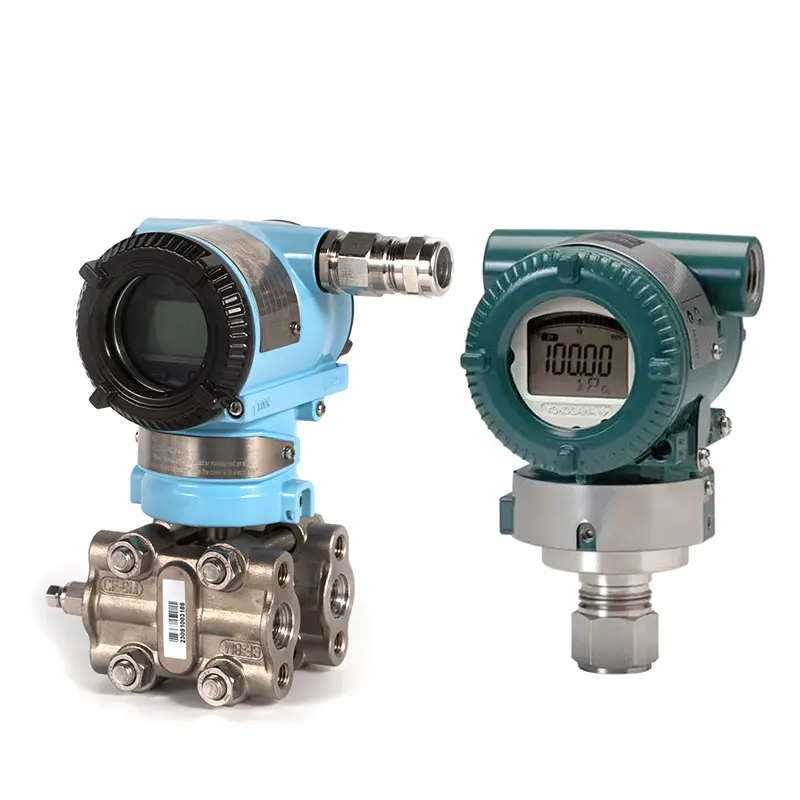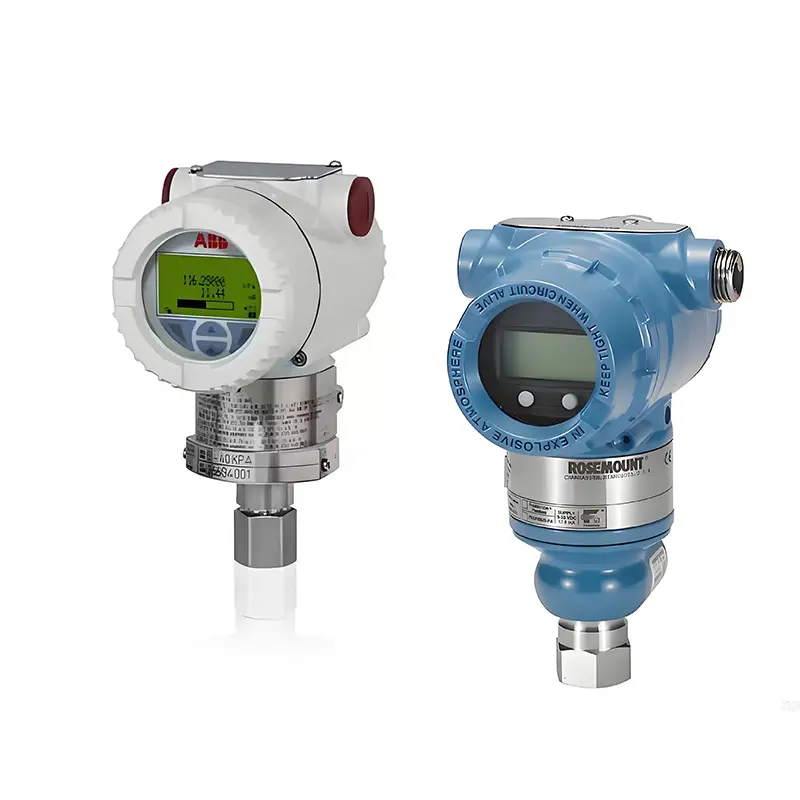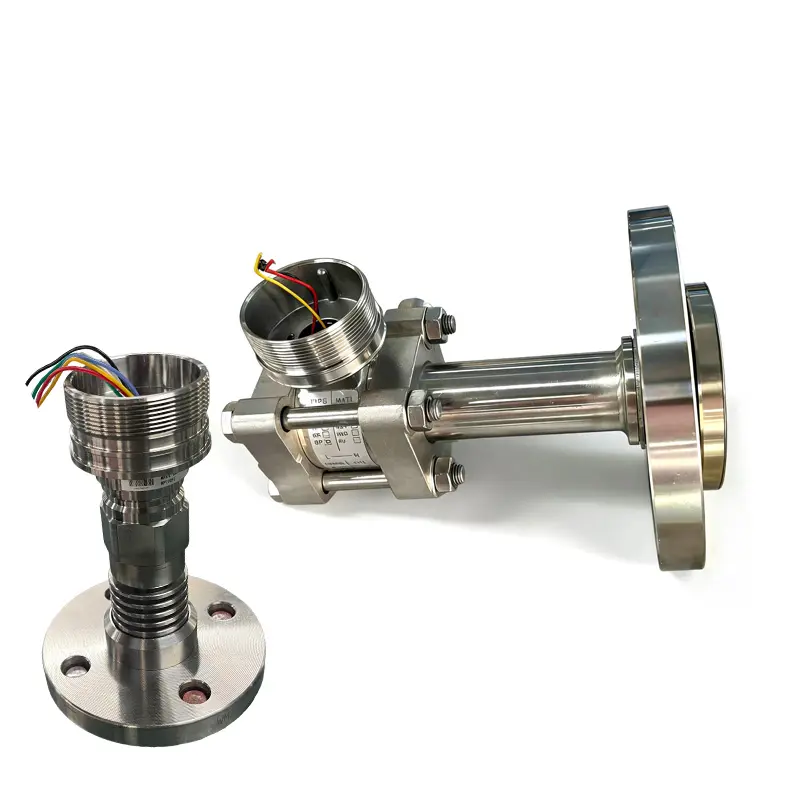
Setting up a differential pressure transmitter for level measurement requires liquid density, tank height, pressure condition, tapping points, and installation method to be confirmed first. A DP level transmitter does not measure level directly. It measures the pressure caused by liquid height and converts that pressure into a level signal.
This is why setup cannot be based only on tank height. Liquid density, open or closed tank condition, transmitter position, and remote seal arrangement all affect the final reading.
Start With Tank Type
The first question is whether the tank is open, vented, closed, pressurized, or under vacuum. This decides how the low-pressure side should be referenced.
For an open tank, the low-pressure side may be open to atmosphere or referenced accordingly. For a closed tank, the pressure above the liquid must be compensated. If top pressure changes, a dual flange DP level transmitter or wet leg arrangement may be needed.
Choosing the wrong setup for a closed tank is one of the most common DP level mistakes.
Calculate the DP Range from Liquid Density
DP level measurement depends on liquid column pressure. The same level height creates different pressure depending on liquid density. Water, oil, acid, and slurry do not create the same DP at the same height.
Before setup, buyers should confirm:
- Liquid name
- Density or specific gravity
- Measuring height
- Minimum and maximum level
- Whether density changes during operation
If density is unknown, the level signal may not match the real tank level.
Confirm Installation Position
The transmitter position affects zero. If the transmitter is mounted above or below the lower tapping point, zero suppression or zero elevation may be needed. Remote seals and capillaries can also create zero offset due to fill fluid column effects.
The transmitter should be calibrated according to the actual installation. If the final mounting position changes after calibration, the zero point may need to be checked again.
Impulse Lines or Remote Seals
For clean liquids, impulse lines may be used. For corrosive, viscous, hot, dirty, or crystallizing liquids, diaphragm seals are often safer. In closed tanks with difficult media, dual flange remote seal DP level transmitters are common.
Remote seals improve isolation, but they also require careful selection of flange size, diaphragm material, capillary length, fill fluid, and installation height.
Output and Control System Scaling
After the DP range is determined, the output should be scaled correctly in the transmitter or control system. For a 4–20 mA signal, 4 mA should correspond to the lower level and 20 mA to the upper level.
If the transmitter range and PLC scaling do not match, the level value will be wrong even if the transmitter is working correctly.
Conclusion
To set up a differential pressure transmitter for level measurement, confirm tank type, liquid density, measuring height, top pressure, tapping points, transmitter position, and whether impulse lines or remote seals are required.
SIY Electric can help configure DP level transmitters for open tanks, closed tanks, pressurized vessels, and remote seal level applications