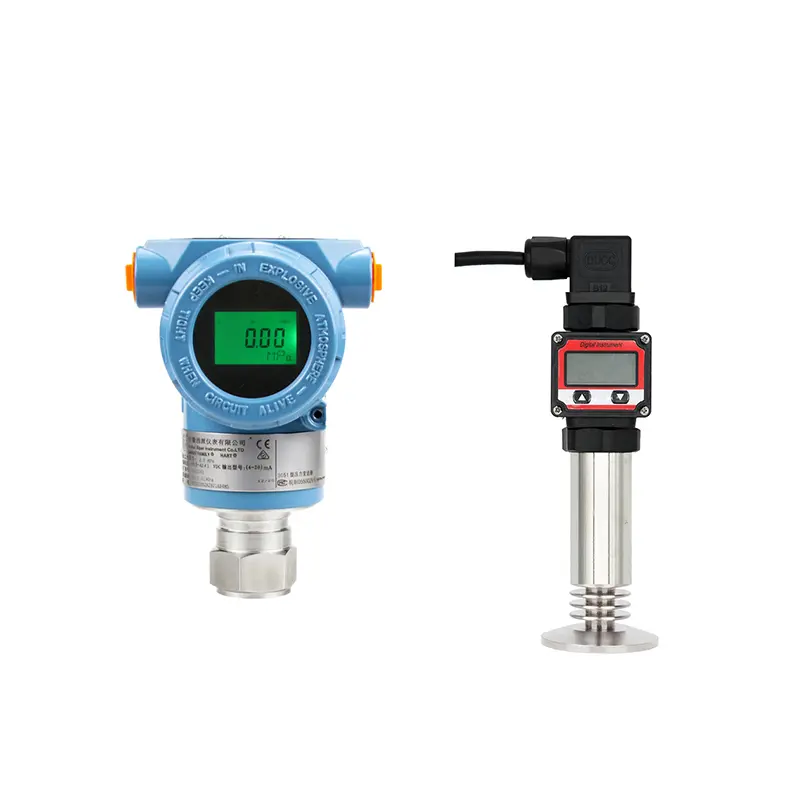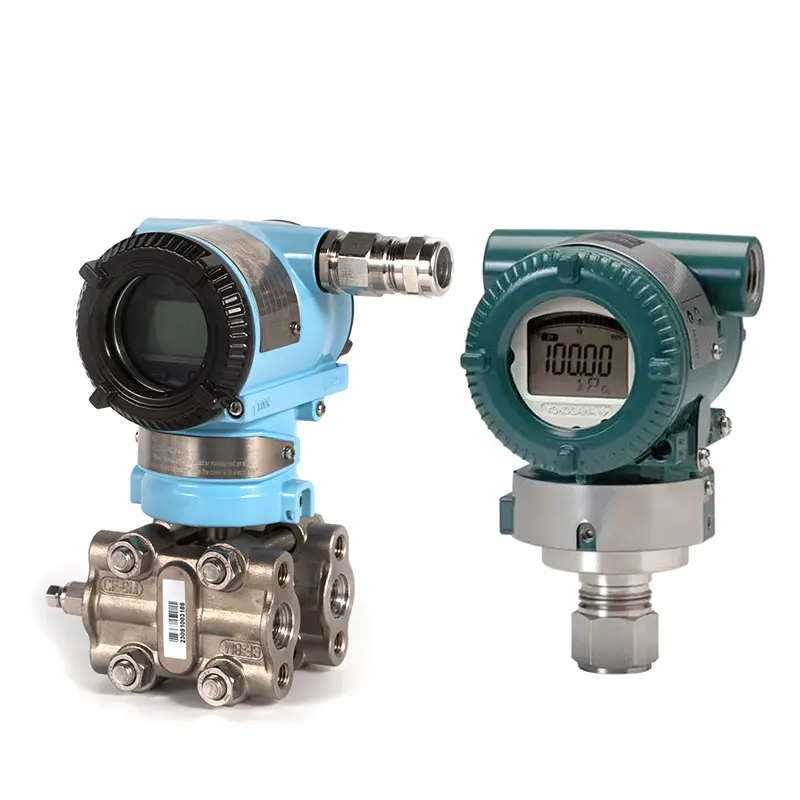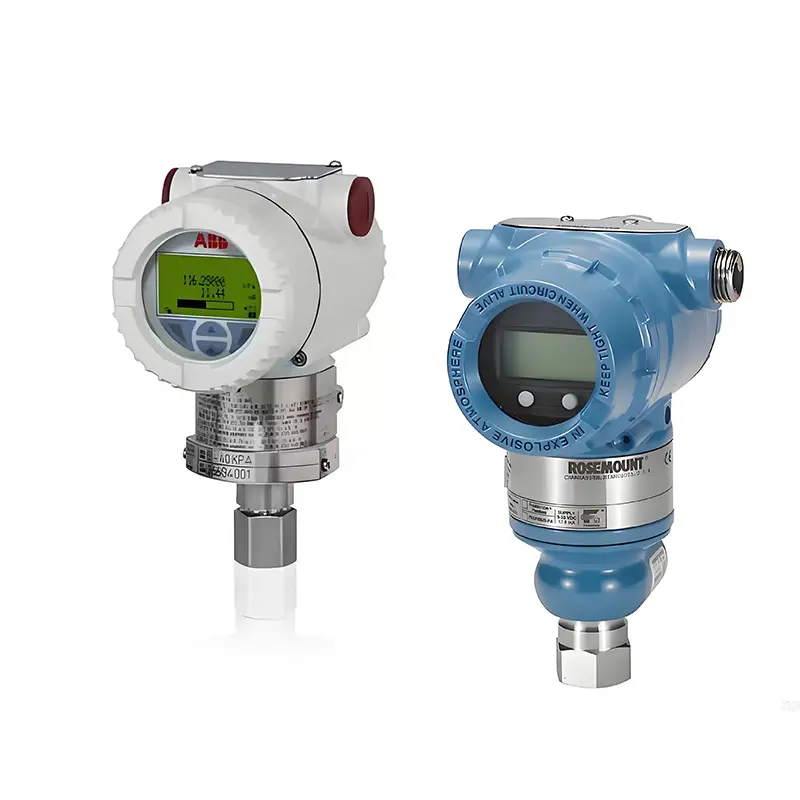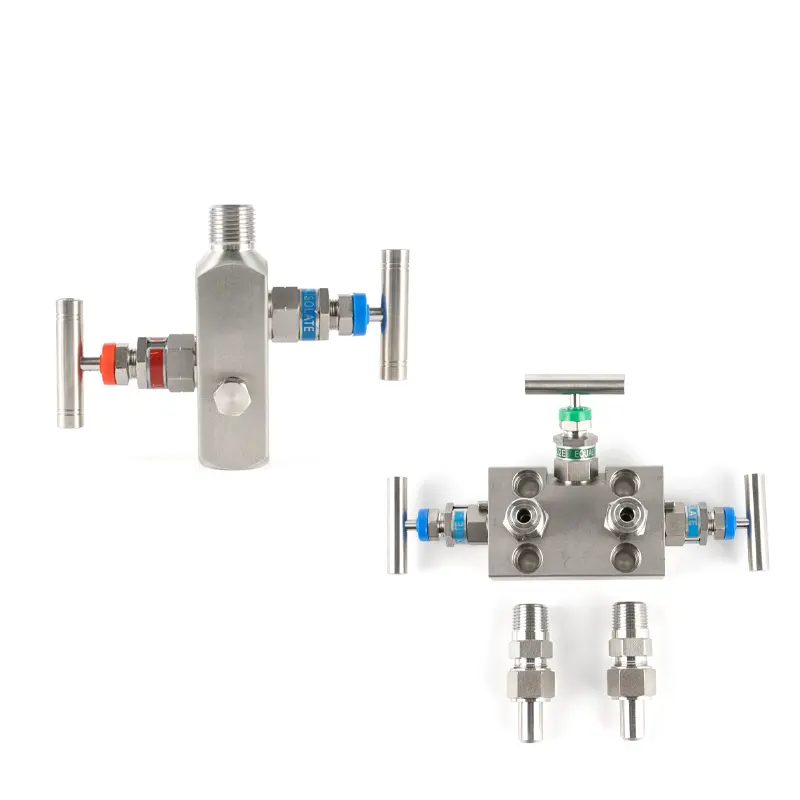
Zeroing a differential pressure transmitter correctly means equalizing the high and low pressure sides before checking or adjusting the zero output. A DP transmitter measures pressure difference, so zero should be checked only when both sides are under the same pressure condition.
This is a common maintenance step, but it is also easy to do wrong. Wrong valve operation, trapped pressure, blocked impulse lines, or unstable process conditions can create a false zero.
Why Zeroing Matters
A small zero shift can affect the whole measurement. This is especially important for low differential pressure ranges, filter monitoring, flow measurement, and tank level measurement.
If the transmitter zero is wrong, the control system may show flow, level, or filter blockage even when the real differential pressure is zero. This can lead to wrong operation or unnecessary maintenance.
Basic Zeroing Logic
The exact procedure depends on the manifold type, process medium, and site safety rules. The principle is to make the high-pressure and low-pressure sides equal before checking the output.
A typical zero check involves:
- Isolate or stabilize the transmitter according to site procedure.
- Equalize the high and low pressure sides.
- Confirm there is no trapped gas or liquid causing false pressure.
- Check the transmitter output or display.
- Adjust zero only if the output is outside tolerance.
- Return the manifold valves to normal operating position carefully.
The operator should always follow site safety rules, especially for steam, hazardous, high-pressure, or corrosive service.
Common Mistakes
Many zeroing problems come from valve operation or impulse line conditions. If the high and low sides are not truly equalized, the zero adjustment will be wrong.
Common mistakes include:
- Adjusting zero while real DP still exists
- Not opening the equalizing valve properly
- Leaving trapped pressure in one impulse line
- Ignoring air in liquid lines or liquid in gas lines
- Operating manifold valves in the wrong order
- Forgetting to restore normal valve positions after zeroing
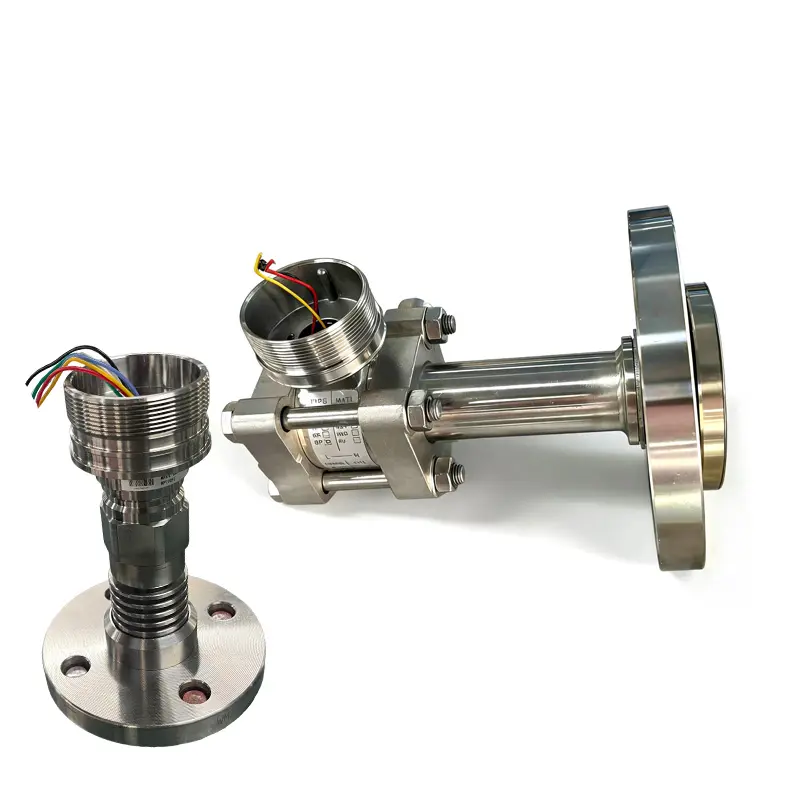
For remote seal DP transmitters, temperature and installation height can also affect zero.
When Not to Adjust Zero
If the output is unstable, do not immediately adjust zero. First check whether the process pressure is stable, whether the impulse lines are blocked, whether valves are in the correct position, and whether there is vibration or temperature influence.
Zero adjustment should correct a real zero offset. It should not be used to hide installation problems.
Conclusion
To zero a differential pressure transmitter correctly, equalize the high and low sides, confirm stable zero differential pressure, check the output, and adjust only when necessary. Manifold operation, venting, draining, and impulse line condition are just as important as the transmitter itself.
SIY Electric can help with DP transmitter selection, manifold matching, zero drift troubleshooting, and differential pressure installation support.