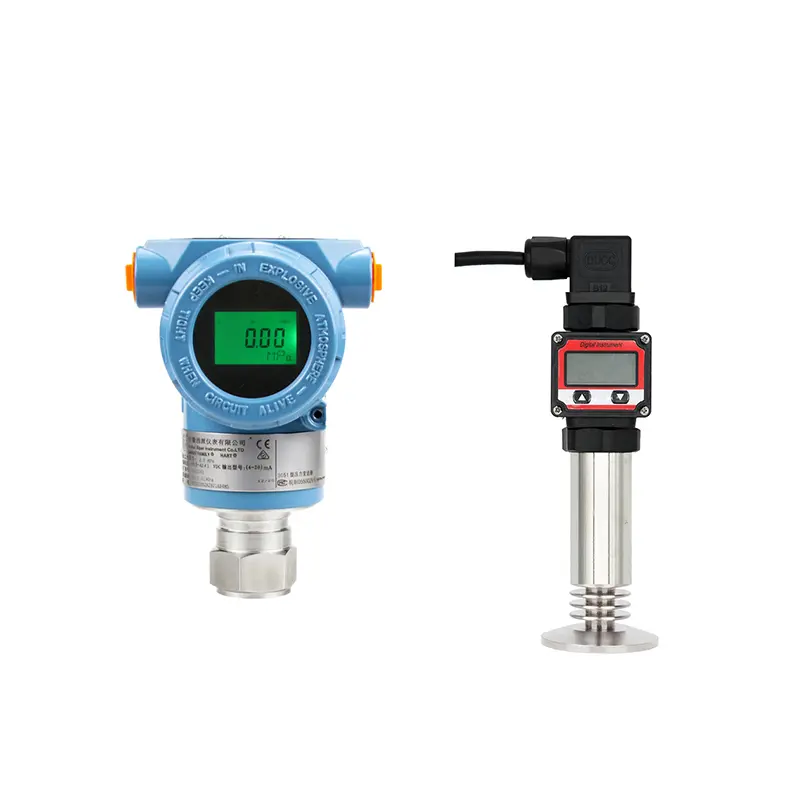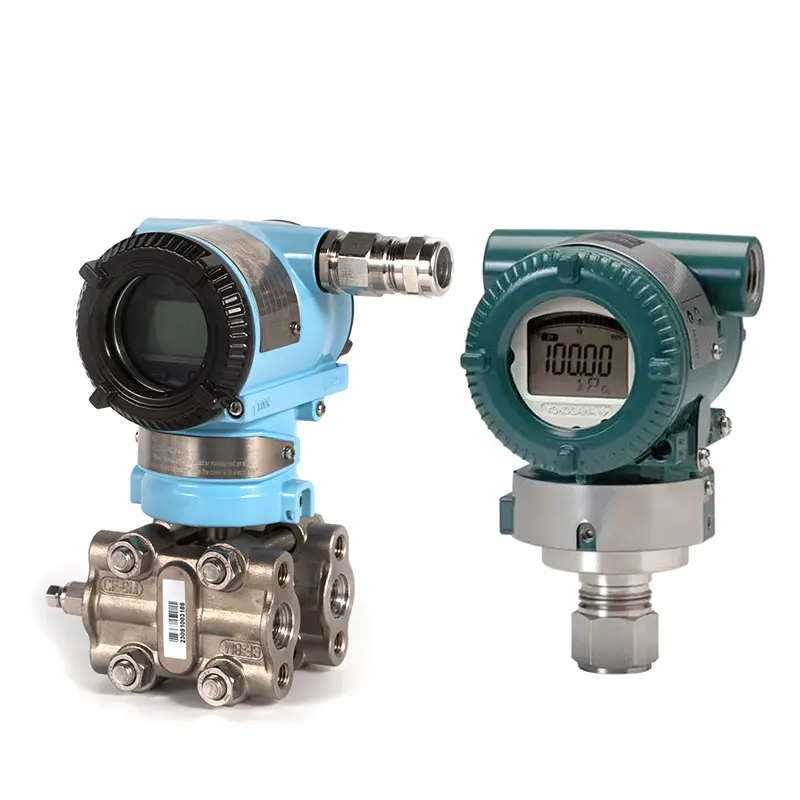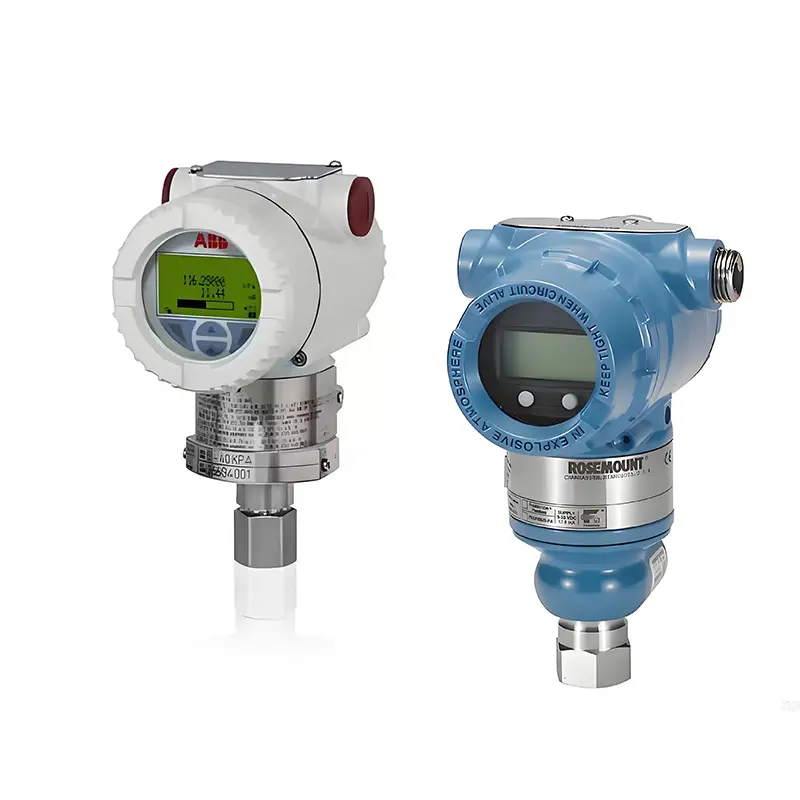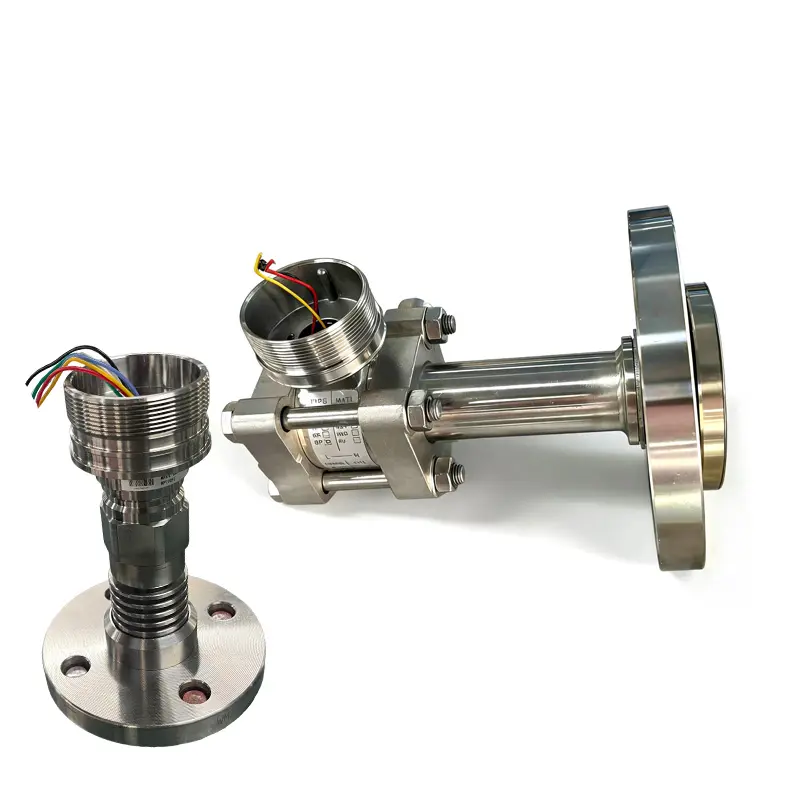
Impulse line installation for differential pressure transmitters directly affects measurement stability, accuracy, and maintenance. A DP transmitter may be correctly selected, but poor impulse line installation can still cause wrong readings, slow response, zero drift, or repeated maintenance problems.
Impulse lines connect the process tapping points to the high and low pressure sides of the transmitter. They must transmit pressure correctly without trapping unwanted gas, liquid, dirt, or condensate.
Mistake 1: Wrong Slope Direction
Impulse lines should be installed with the correct slope according to the process medium. The goal is to prevent trapped gas in liquid service and trapped liquid in gas service.
General logic:
- Liquid service
Avoid gas pockets in the impulse line. - Gas service
Avoid liquid pockets in the impulse line. - Steam service
Maintain stable condensate legs when required.
Wrong slope can cause unstable readings and difficult commissioning.
Mistake 2: Unequal Impulse Lines
For DP measurement, both high and low pressure sides should be treated consistently. If one impulse line is much longer, colder, hotter, or routed differently, the measurement may be affected.
This is especially important for:
- Low differential pressure measurement
- Steam applications
- Outdoor installations
- Long impulse lines
- Applications with temperature changes
Balanced routing helps reduce measurement error.
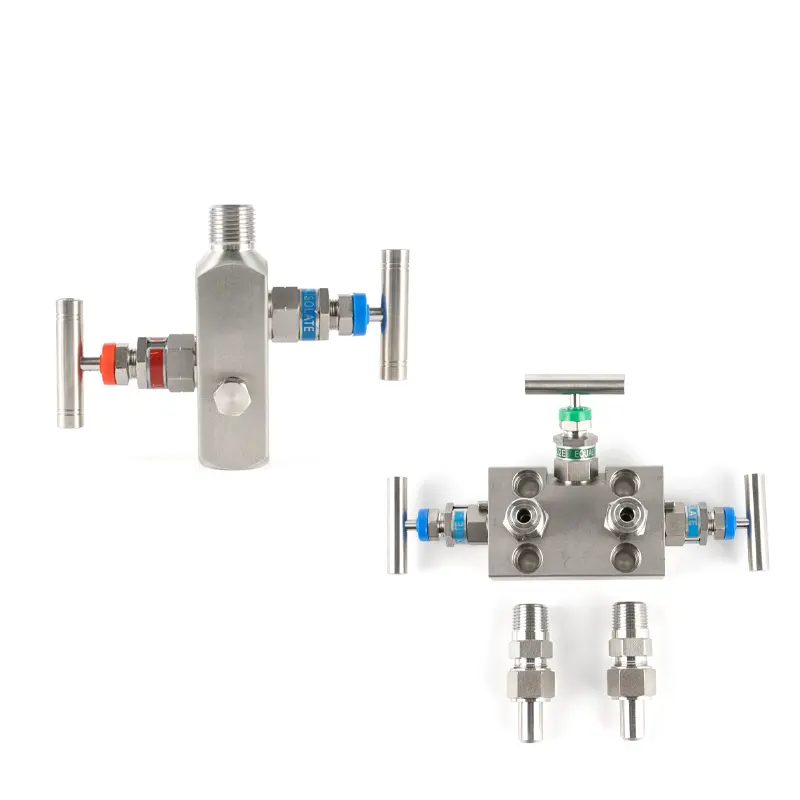
Mistake 3: Missing Manifold or Isolation Valves
A DP transmitter should be maintainable. Without a manifold or isolation valves, it becomes difficult to zero, isolate, vent, drain, or remove the transmitter safely.
A proper installation may include:
- Isolation valves
- Equalizing valve
- Vent valves
- Drain valves
- 3-valve or 5-valve manifold
The exact choice depends on the application, but maintenance access should be considered before installation.
Mistake 4: Poor Venting or Draining
Air trapped in liquid impulse lines or liquid trapped in gas impulse lines can cause wrong readings. Venting and draining points should be planned according to the medium.
Common problems include:
- No vent point for liquid service
- No drain point for gas service
- Condensate buildup in the wrong location
- Dirt accumulation in low points
- Difficult access for maintenance
These problems may not appear immediately, but they often create long-term instability.
Mistake 5: Ignoring Temperature
Temperature affects impulse line behavior, especially in steam, outdoor, or high-temperature service. Condensation, freezing, heat loss, or uneven temperature can affect the pressure transmitted to the transmitter.
For steam, condensate legs should be stable. For outdoor installations, freezing protection may be needed. For high-temperature service, the transmitter may need to be kept away from direct heat.
Mistake 6: Using Impulse Lines for Difficult Media
Impulse lines are not suitable for every medium. If the medium is viscous, dirty, crystallizing, corrosive, or easy to block, impulse lines may create more problems than they solve.
In these cases, remote diaphragm seals may be better because they isolate the transmitter from the process and reduce blockage risk.
Conclusion
Impulse line installation for differential pressure transmitters should be designed according to the medium, slope, line length, temperature, manifold arrangement, venting, draining, and maintenance access. Many DP measurement problems are caused by installation, not by the transmitter itself.
SIY Electric can help check DP transmitter installation requirements and recommend manifolds, fittings, impulse line accessories, or remote diaphragm seal solutions when needed.