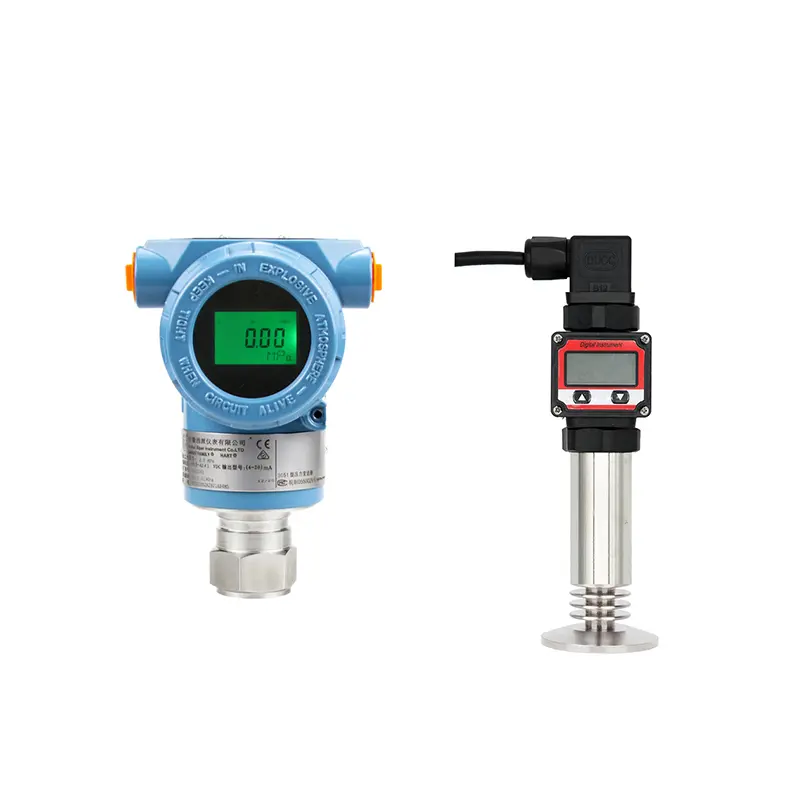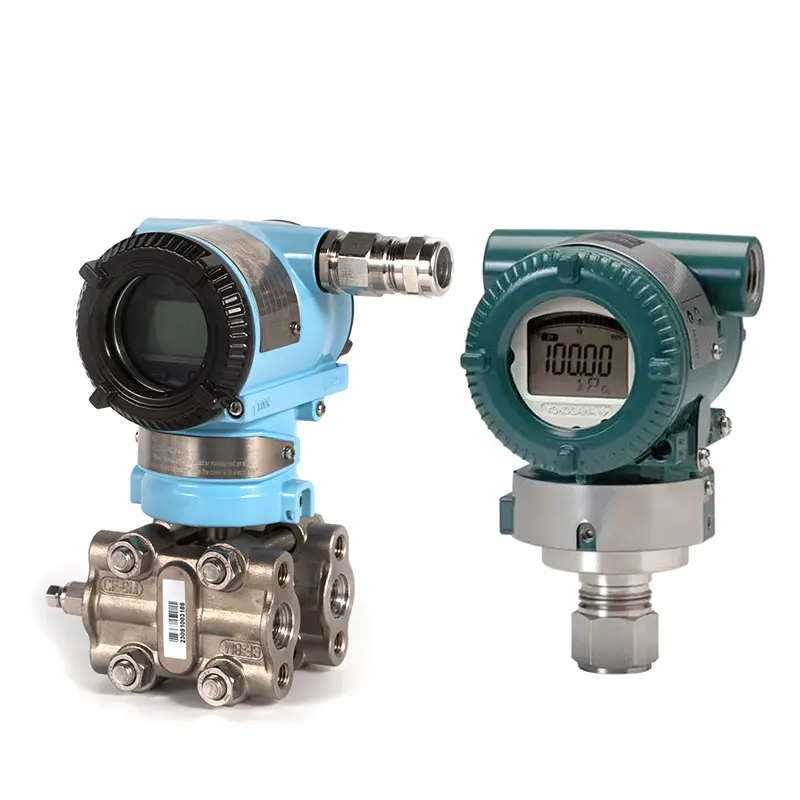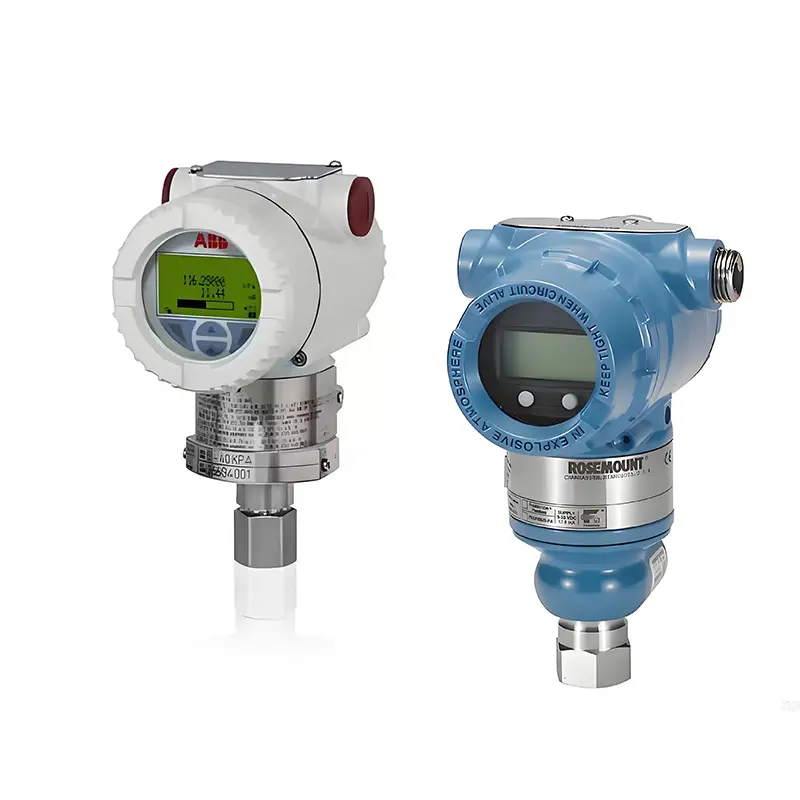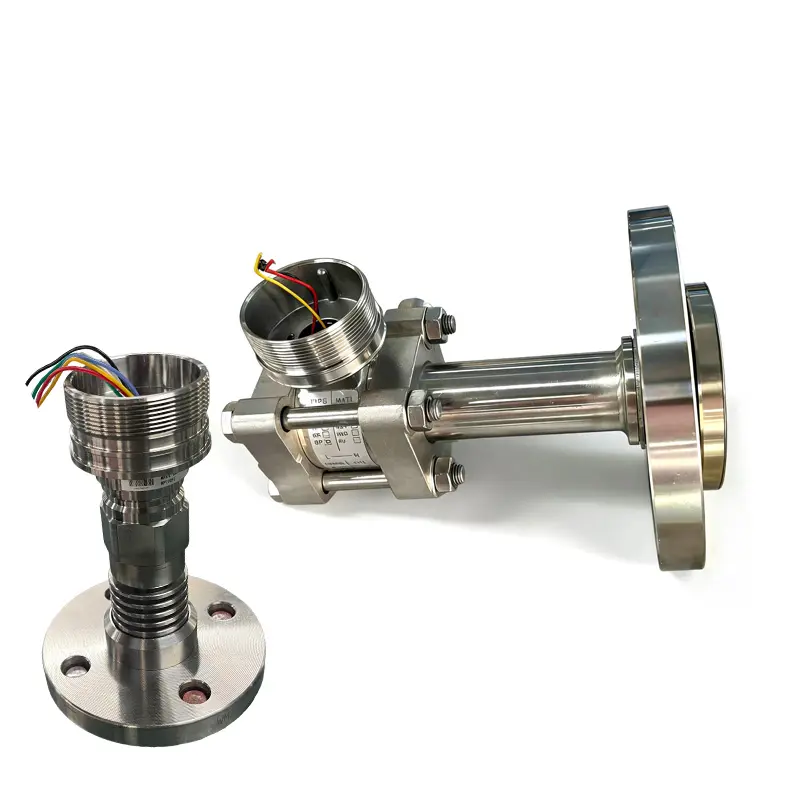
Level transmitter selection for closed tanks with pressure should consider top pressure compensation, liquid density, tank connection, and whether remote seals are needed. A closed tank is different from an open tank because the gas or vapor pressure above the liquid can affect the pressure at the bottom connection.
If this top pressure changes, a simple gauge pressure transmitter may not show the true liquid level. The measured pressure may include both liquid column pressure and tank pressure.
Why Closed Tanks Need Special Attention
For closed or pressurized tanks, level measurement should separate liquid height from top pressure. This is why differential pressure level transmitters are commonly used. The lower pressure point senses liquid column pressure plus top pressure, while the upper point senses top pressure. The difference represents the liquid level.
A dual flange DP level transmitter is often used when the medium is corrosive, hot, dirty, crystallizing, or unsuitable for impulse lines.
What Buyers Should Confirm
For closed tank level selection, buyers should provide:
- Tank type and pressure condition
- Liquid name and density
- Measuring height
- Top and bottom connection positions
- Working temperature
- Flange size and rating
- Whether vapor, vacuum, or gas blanket exists
Liquid density is very important because DP level measurement depends on hydrostatic pressure. If density changes, the level reading may shift.
Conclusion
Level transmitter selection for closed tanks with pressure usually requires top pressure compensation. Buyers should confirm tank pressure, density, level height, flange details, temperature, and whether a dual flange or remote seal structure is needed.
SIY Electric can help select level transmitters for closed tanks, pressurized vessels, vacuum tanks, and chemical storage tanks.