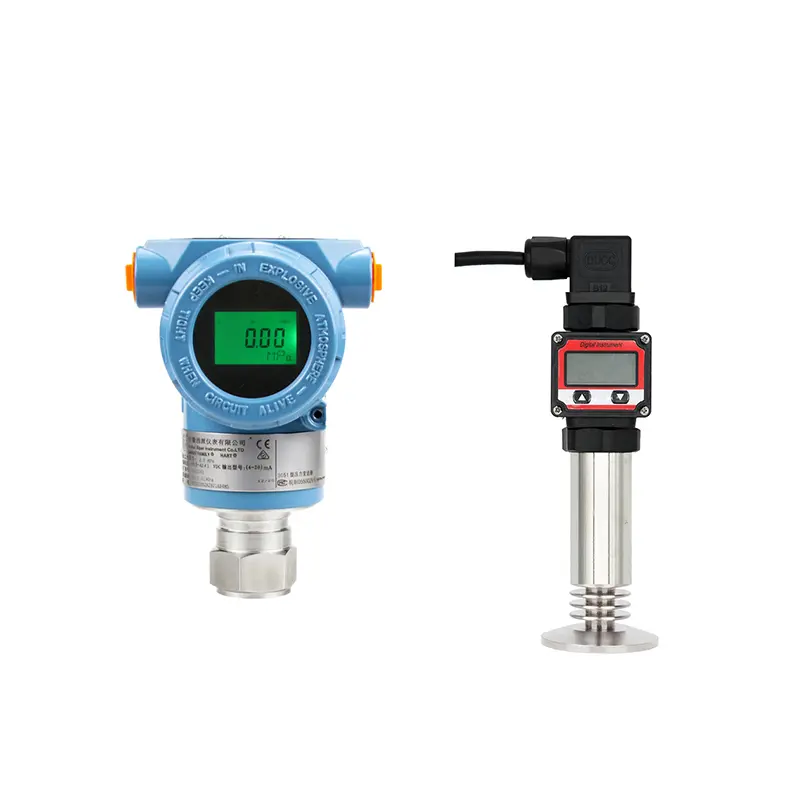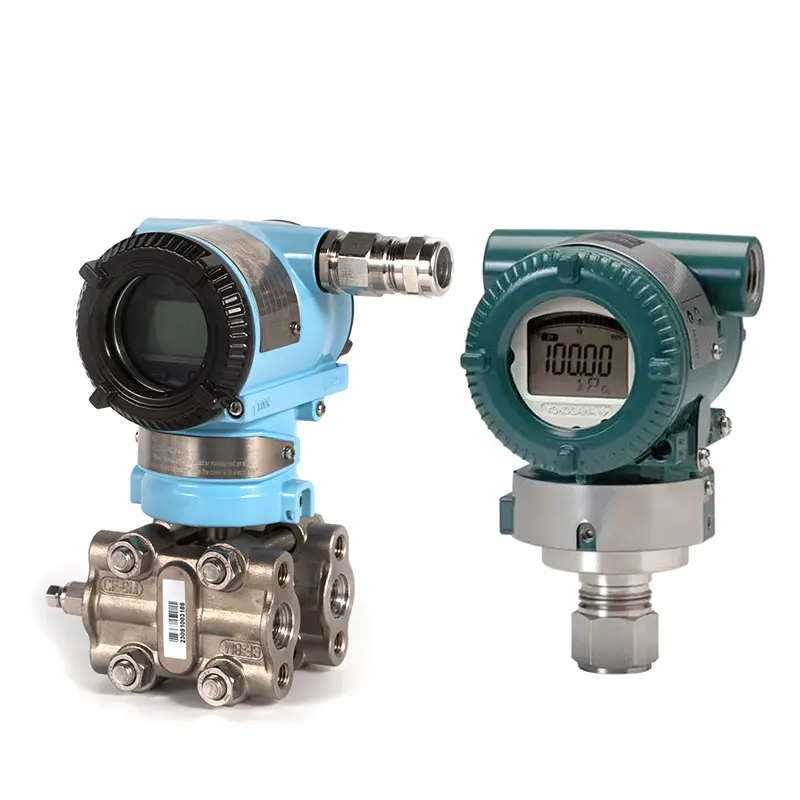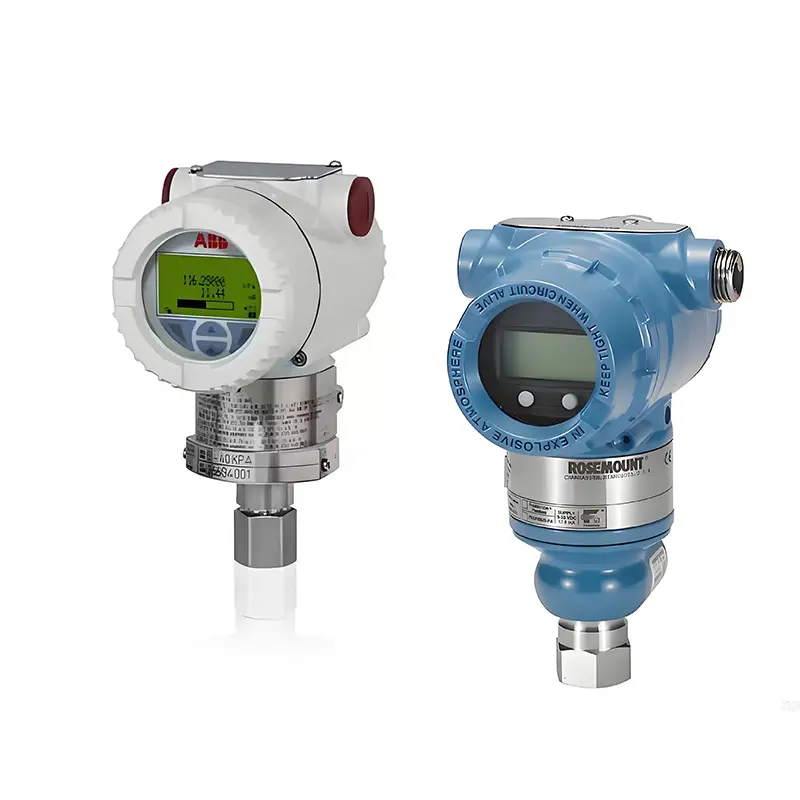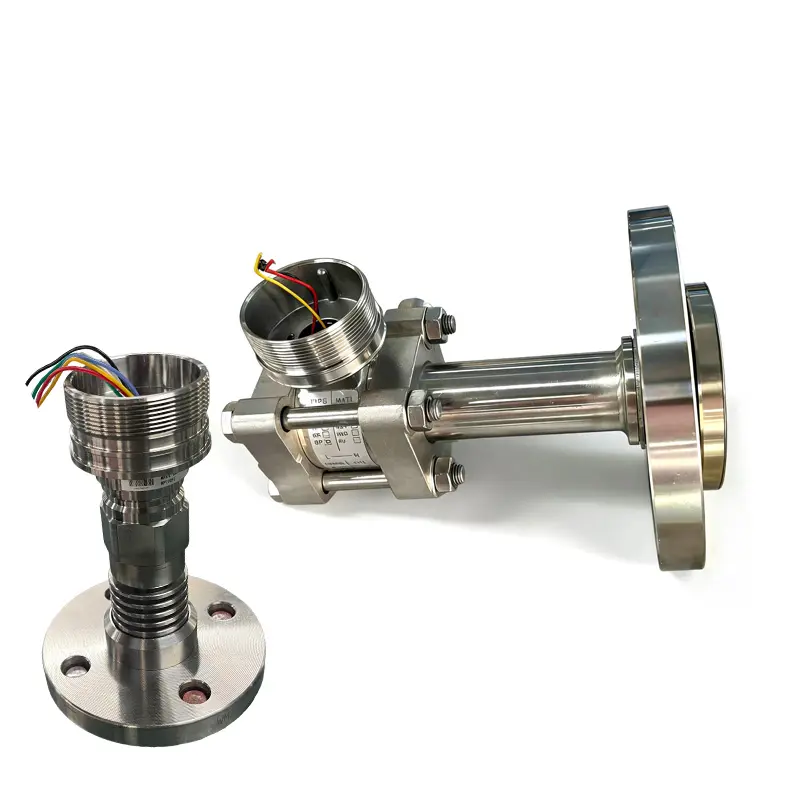
OEM pressure transmitter for equipment manufacturers must match the machine design, control system, installation space, and working environment. For equipment builders, a pressure transmitter is not only a separate instrument. It becomes part of the machine, skid, pump system, compressor, hydraulic unit, or process package.
If the transmitter does not match the machine properly, it may cause installation difficulty, signal mismatch, unstable readings, or after-sales problems for the equipment manufacturer.
Start With the Machine Function
Equipment manufacturers should choose pressure transmitters according to the function of the machine. The transmitter may be used for control, protection, monitoring, alarm, or data collection. Different functions require different levels of stability, accuracy, and response.
Before selecting an OEM pressure transmitter, confirm:
- What pressure point will be measured?
- Is the signal used for control or only monitoring?
- What is the normal pressure and maximum pressure?
- Is there pressure shock or vibration?
- Will the transmitter be installed inside the machine or outside in the field?
A transmitter used for machine control may need more stable output than one used only for local pressure monitoring.
Match the Mechanical Interface
The transmitter must fit the machine structure. For equipment manufacturers, installation space is often limited. The process connection, housing size, cable direction, and display position can all affect the final machine layout.
Important mechanical points include:
- Thread size or process connection
- Installation direction
- Housing size
- Cable outlet or connector type
- Display visibility
- Space for installation and maintenance
Compact pressure transmitters are often suitable for small machines or internal equipment installation. Industrial housing transmitters are more suitable when field readability, stronger housing, or display options are needed.
Match the Electrical Signal
The output signal must match the control system of the equipment. For many industrial machines, 4–20 mA is common. For compact equipment, voltage output, RS485, or Modbus may also be used.
The buyer should confirm:
- Output signal
- Power supply
- Wiring method
- Connector type
- Cable length, if direct cable is used
- PLC or controller input requirement
A transmitter with the correct pressure range but wrong output signal cannot work properly with the machine control system.
Consider Vibration, Shock, and Environment
Machines often create more vibration than fixed process pipelines. Pump systems, compressors, hydraulic units, and mobile equipment may expose the transmitter to vibration, pressure shock, or changing ambient conditions.
In these cases, equipment manufacturers should consider:
- Pressure fluctuation
- Vibration level
- Overpressure risk
- Protection grade
- Cable fixing method
- Mounting position
Sometimes the solution is not simply choosing a higher accuracy transmitter. A better range, more suitable installation position, damping, or mechanical protection may be more useful.
Keep Batch Consistency
For equipment manufacturers, batch consistency is important. If the same machine model is produced repeatedly, the pressure transmitter should have stable configuration, appearance, wiring, and installation dimensions.
Batch consistency helps reduce:
- Assembly mistakes
- Wiring errors
- Spare part confusion
- After-sales communication
- Repeated engineering changes
This is why OEM buyers often need fixed model codes, stable labels, and consistent packaging.
Think About After-Sales Replacement
A pressure transmitter used in equipment should be easy to identify and replace. If a customer needs spare parts later, the model code, range, output, and connection should be clear.
A good OEM setup should include:
- Private model code
- Clear nameplate
- Stable configuration list
- Replacement reference
- Basic documentation
This makes after-sales support easier for both the equipment manufacturer and the end user.
Conclusion
OEM pressure transmitters for equipment manufacturers should be selected according to machine function, mechanical interface, electrical signal, vibration condition, installation space, and batch consistency. The goal is not only to measure pressure, but to make the transmitter work smoothly as part of the machine.
SIY Electric can support OEM pressure transmitters for equipment manufacturers, including compact transmitters, industrial transmitters, custom connections, private labels, and batch supply for machine integration.