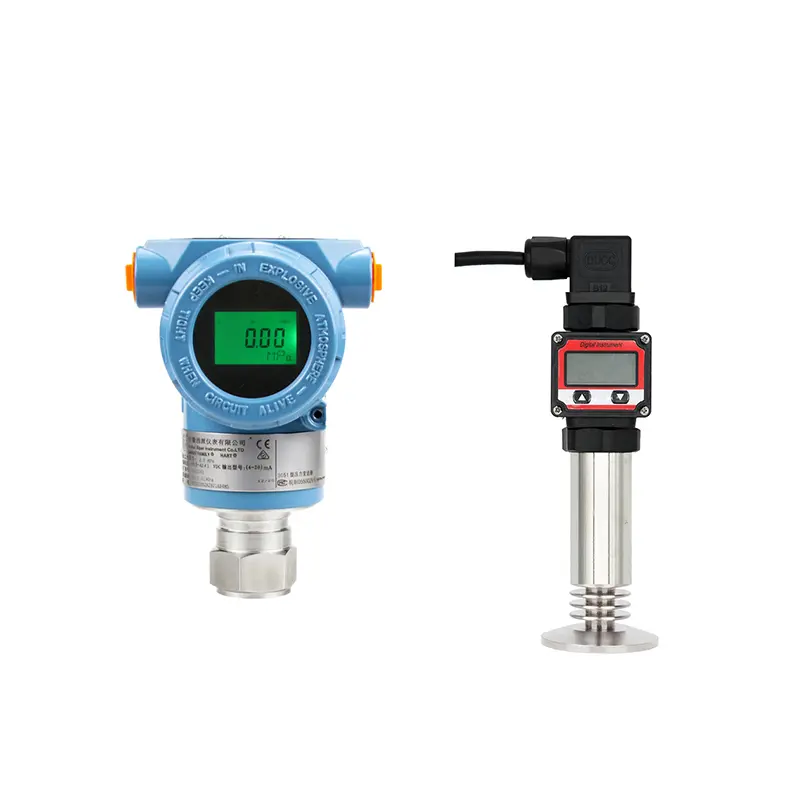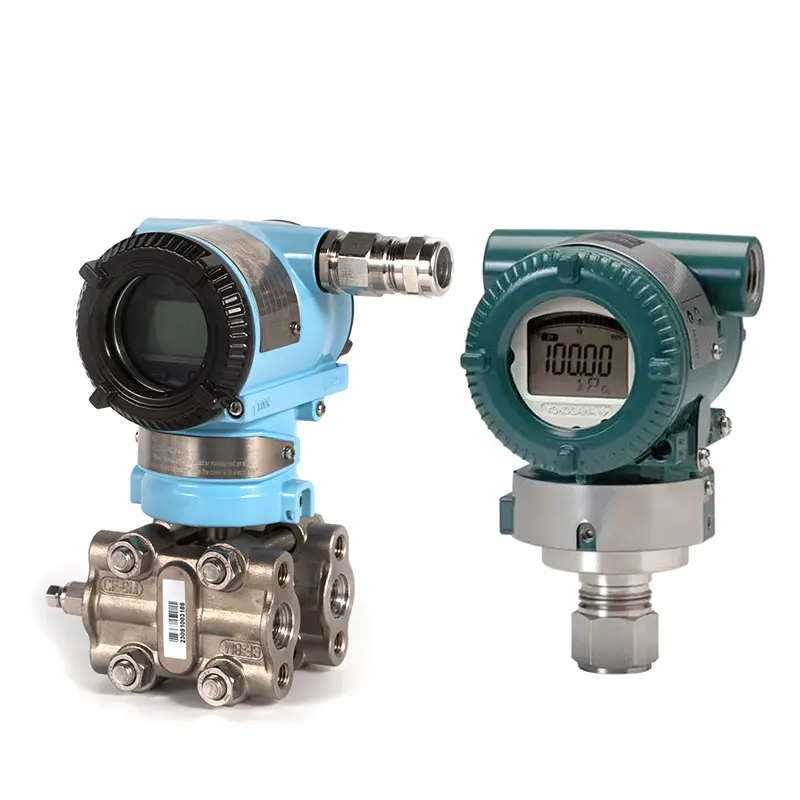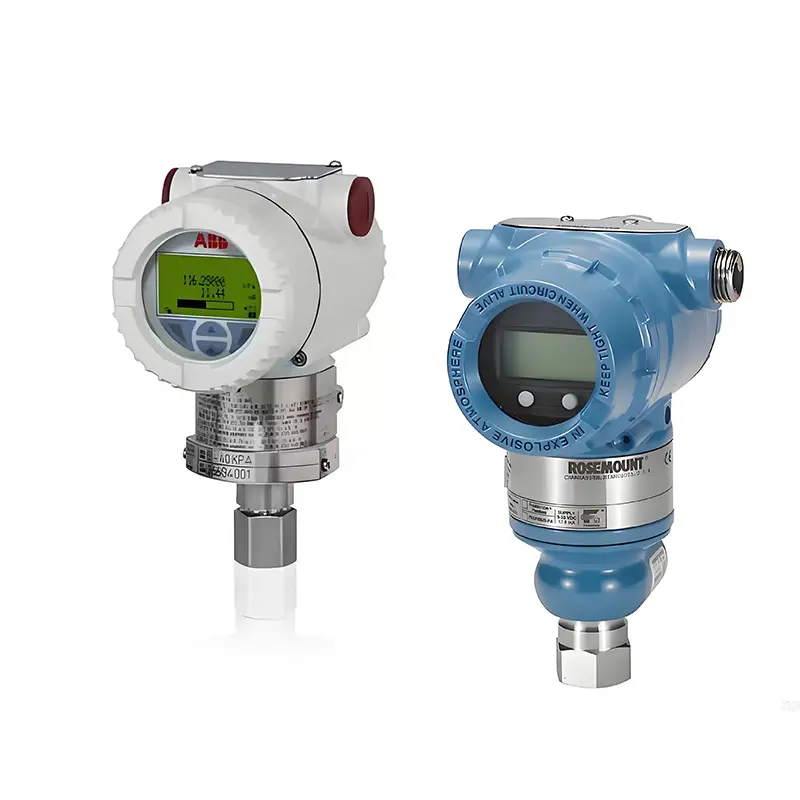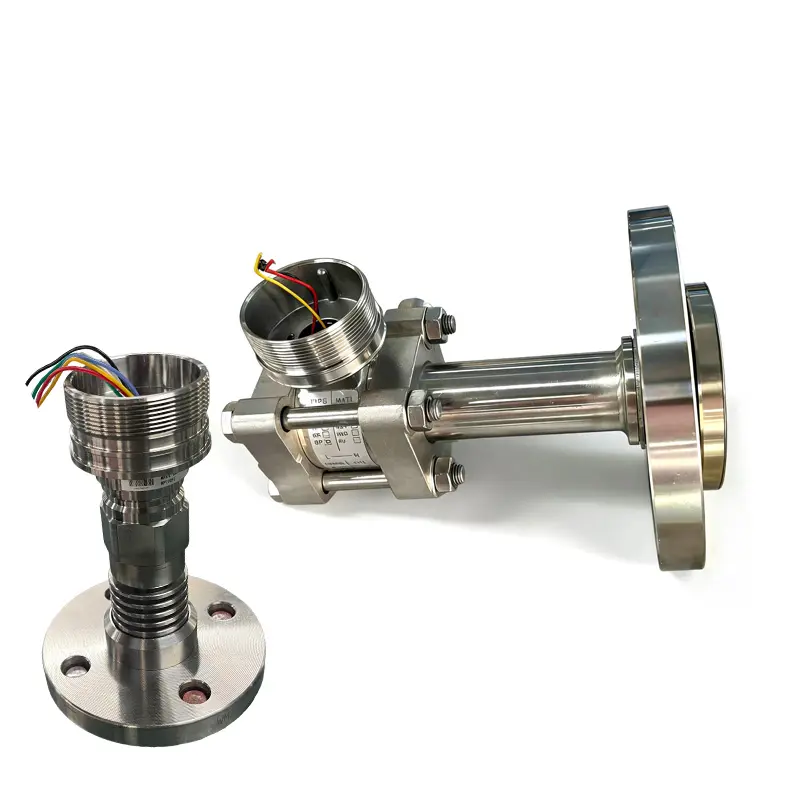
Pressure indicator vs pressure transmitter is mainly a difference between local pressure display and pressure signal transmission. A pressure indicator is used to show pressure value at the installation point. A pressure transmitter is used to measure pressure and send a standard signal to a PLC, DCS, controller, recorder, or monitoring system.
This difference seems simple, but it affects purchasing decisions. Some buyers only need to see pressure locally. Others need the pressure value to enter an automation system. Choosing the wrong product may lead to unnecessary cost or missing signal output.
What Is a Pressure Indicator?
A pressure indicator is mainly used for local reading. It can be a mechanical gauge, a digital pressure indicator, or a display instrument connected to a sensor. Its main job is to let operators see pressure at the site.
A pressure indicator is usually suitable when the pressure value does not need to be transmitted to a control system. For example, it may be used on simple pipelines, pump stations, air systems, test points, or equipment where operators only need visual confirmation.
The advantage is simplicity. A local indicator is easy to understand and useful for maintenance checks. But it does not always provide a standard signal output. This is the key limitation.
What Is a Pressure Transmitter?
A pressure transmitter measures pressure and converts it into a standard electrical signal. The most common output is 4–20 mA, and some transmitters also support HART, RS485, Modbus, or voltage output.
A pressure transmitter is usually needed when pressure data must be used by an automation system. It can support remote monitoring, automatic control, alarm logic, data recording, and process trend analysis.
In industrial projects, pressure transmitters are commonly used with PLC or DCS systems. They are not only for displaying pressure. They are part of the control loop.
How to Choose Between Them
The choice depends on what the pressure value will be used for.
Use a pressure indicator when:
- Only local visual reading is needed.
- The measuring point is easy to access.
- No PLC, DCS, or remote monitoring is required.
- The application is simple and does not need automatic control.
Use a pressure transmitter when:
- The signal must go to PLC or DCS.
- Pressure needs to be monitored remotely.
- The system needs alarms, interlocks, or control logic.
- Data recording or trend analysis is required.
- The measuring point is not convenient for manual reading.
Some pressure transmitters also have local LCD displays. In that case, one instrument can provide both local indication and signal output.
Common Buying Mistake
A common mistake is buying a digital pressure indicator because it has a screen, then discovering that it does not provide the required 4–20 mA signal. Another mistake is buying a transmitter when the customer only needs a simple local display.
Before ordering, buyers should confirm whether they need display only, signal output only, or display plus signal output.
Conclusion
Pressure indicators and pressure transmitters are used for different purposes. A pressure indicator is suitable for local reading. A pressure transmitter is needed when pressure must be sent to a control system.
SIY Electric can help buyers choose pressure indicators, pressure transmitters, or transmitters with local display according to site requirements.