Pressure indicator vs pressure transmitter selection depends on whether the application only needs local display or needs a signal sent to a control system. Both devices may show pressure, but they do not serve the same purpose.
A pressure indicator displays pressure for operators. A pressure transmitter measures pressure and outputs a signal such as 4–20 mA to PLC, DCS, recorder, or controller. Some pressure transmitters also have local displays, which can make the difference less obvious, but their main function is still signal transmission.
What Is a Pressure Indicator?
A pressure indicator is mainly used for local pressure reading. It may be mechanical or digital. Its purpose is to let operators see pressure at the installation point.
A pressure indicator is usually enough when the pressure value does not need to be transmitted, recorded, or used for control. It is common for simple equipment checks, local pipeline monitoring, test points, and maintenance reference.
What Is a Pressure Transmitter?
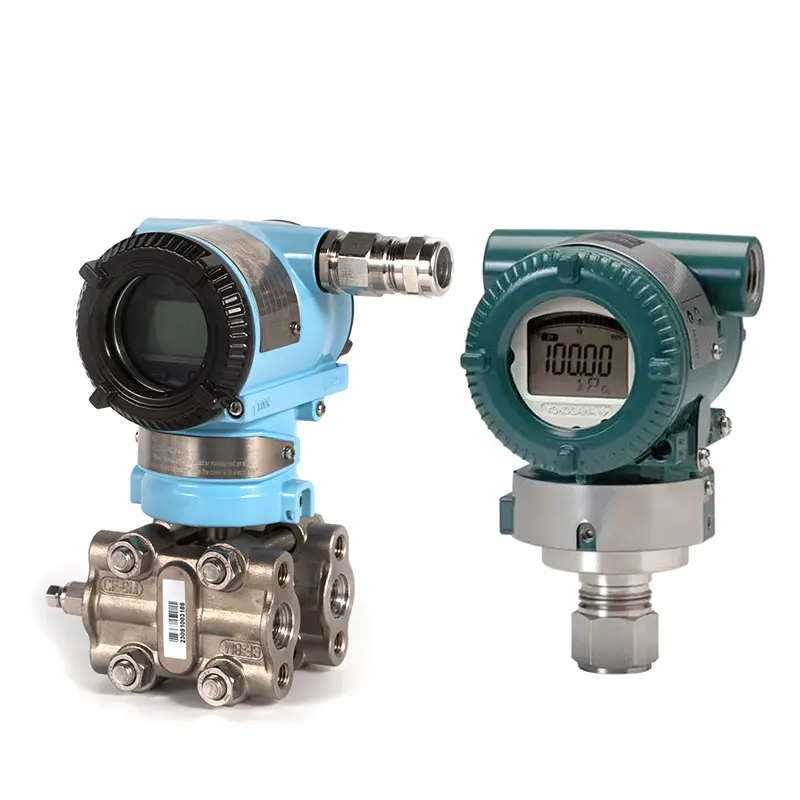
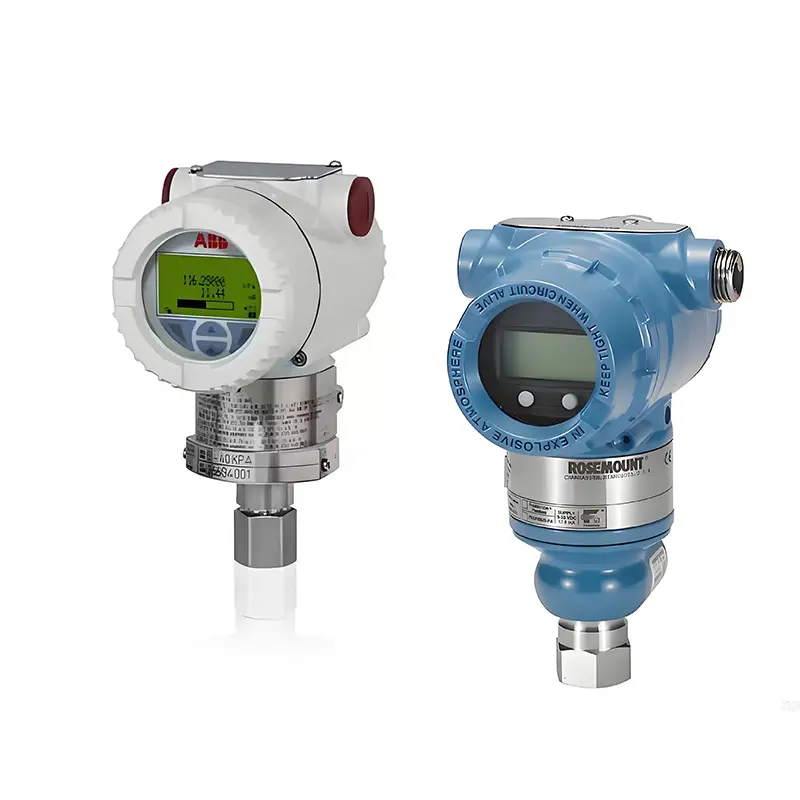
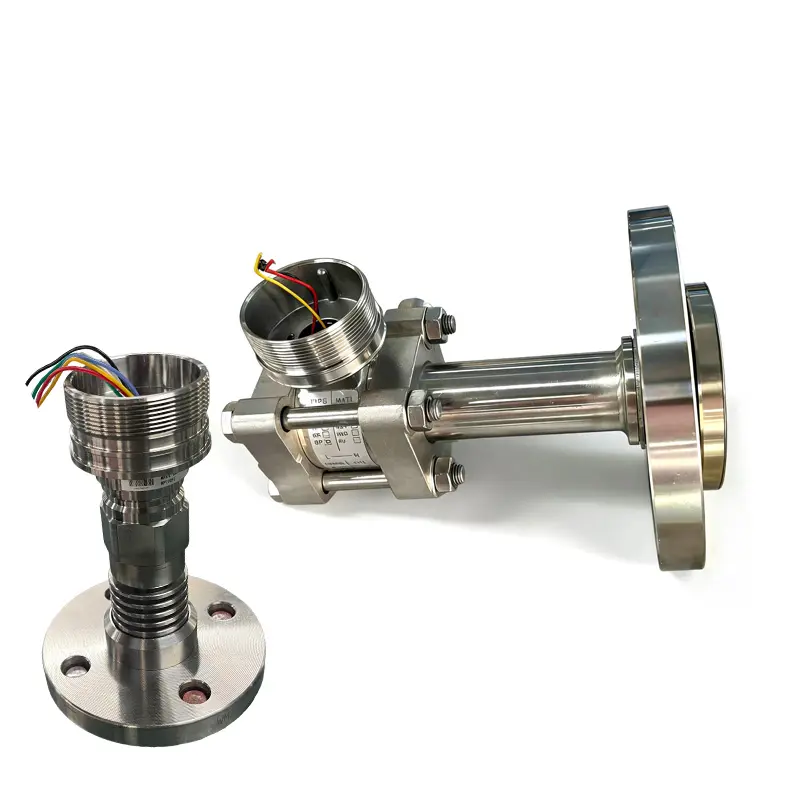
A pressure transmitter converts pressure into an electrical signal. It is used when pressure needs to be monitored remotely or used by a control system.
A pressure transmitter is usually required when:
- The signal goes to PLC or DCS.
- Pressure is used for automatic control.
- Data needs to be recorded.
- Alarm logic is handled by the control system.
- The measuring point is not easy to access.
- The plant needs remote monitoring.
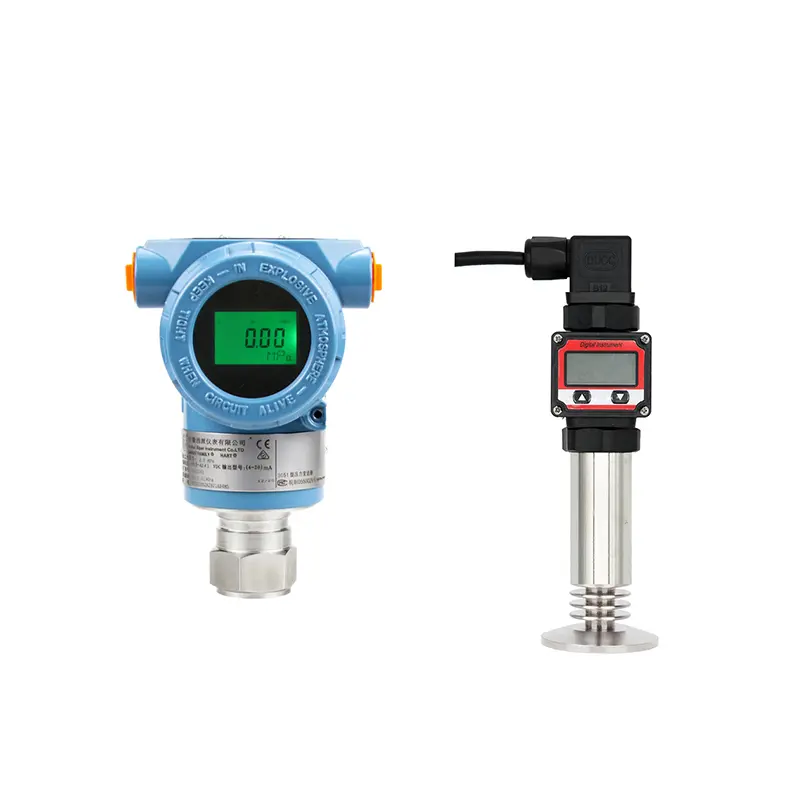
The transmitter may include a local display, but the output signal is the key difference.
Why the Difference Matters
If the buyer only needs local visual reading, a pressure indicator may be simpler and cheaper. If the system needs automation, a pressure indicator cannot replace a transmitter unless it has proper signal output.
A common mistake is choosing a digital pressure indicator because it has a display, then discovering that it does not provide the required 4–20 mA signal. Another mistake is buying a transmitter when only local indication is needed.
Can One Device Do Both?
Yes. Many pressure transmitters can include an LCD display. This gives both local indication and signal output. For many industrial sites, this is a practical solution because operators can check the value on site while the PLC or DCS receives the signal.
However, buyers should still confirm the output signal, power supply, connection, and display requirement before ordering.
Conclusion
Pressure indicator vs pressure transmitter selection depends on how the pressure value will be used. Use a pressure indicator for local reading only. Use a pressure transmitter when the value must be sent to PLC, DCS, recorder, alarm system, or remote monitoring platform.
SIY Electric can help buyers choose pressure indicators, pressure transmitters, or transmitters with local display according to site requirements.