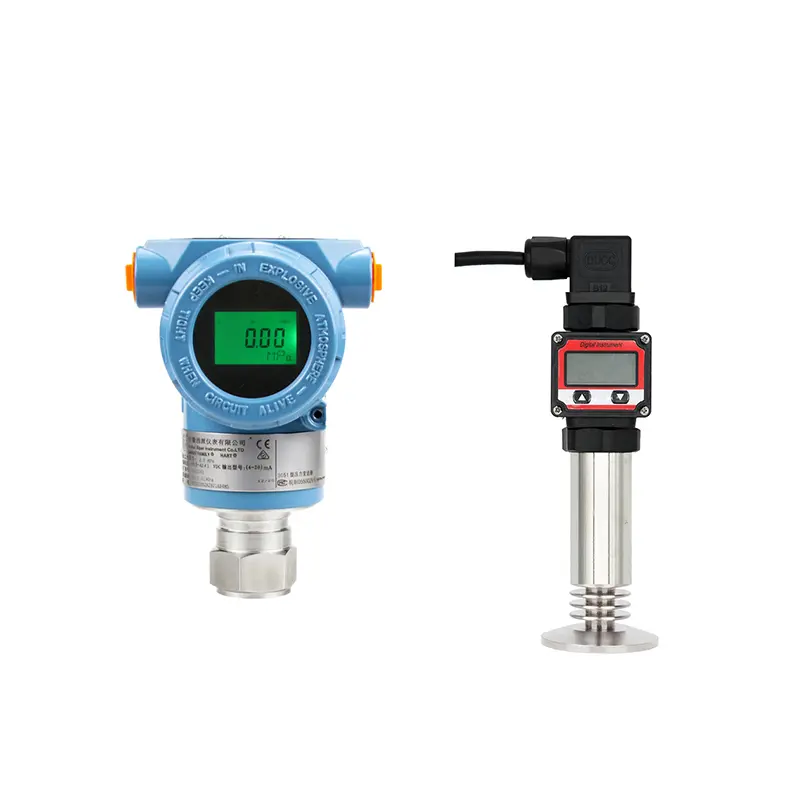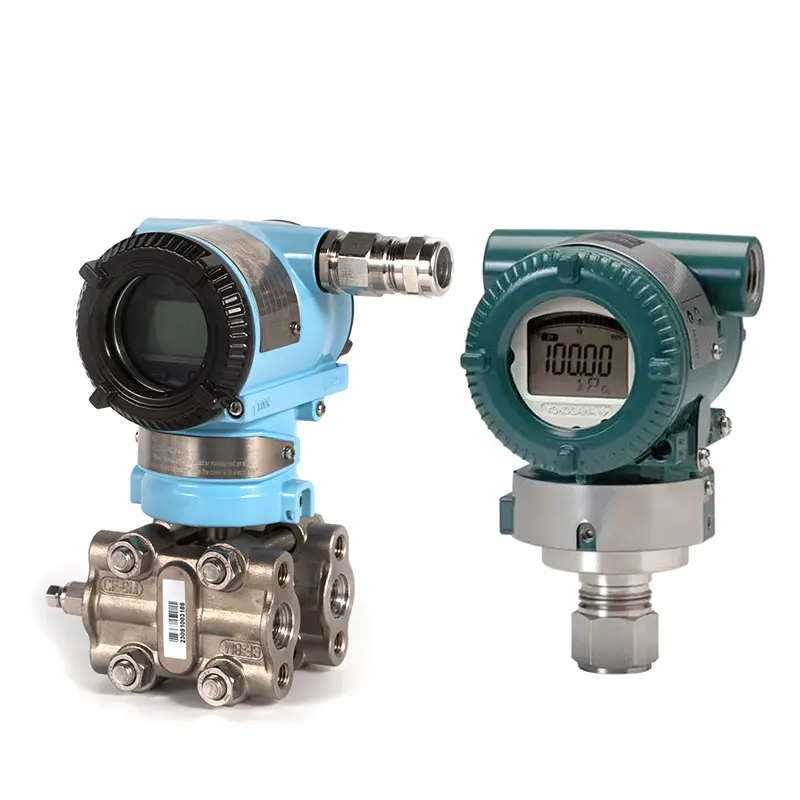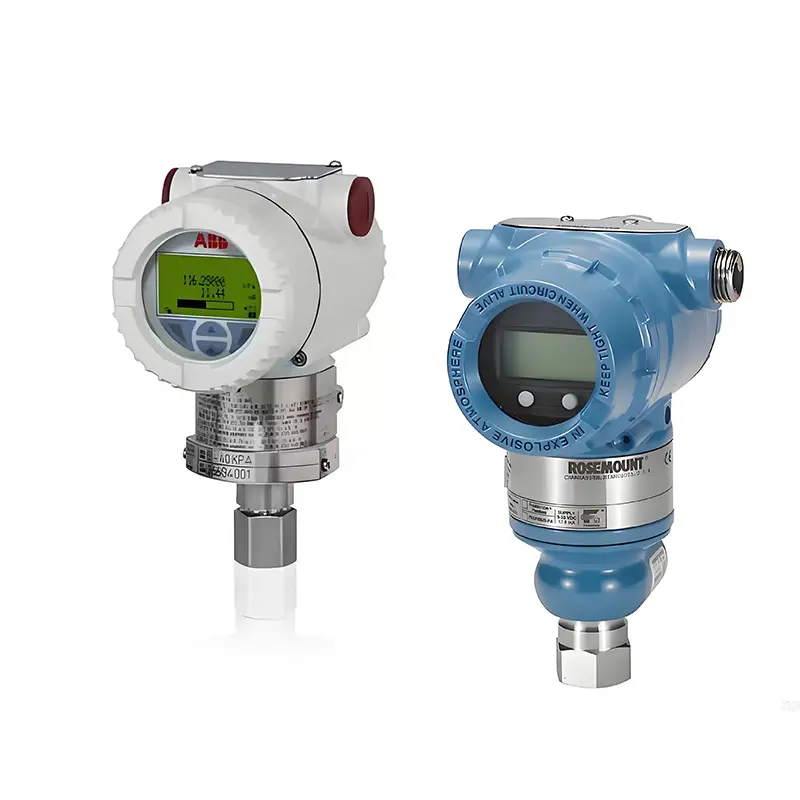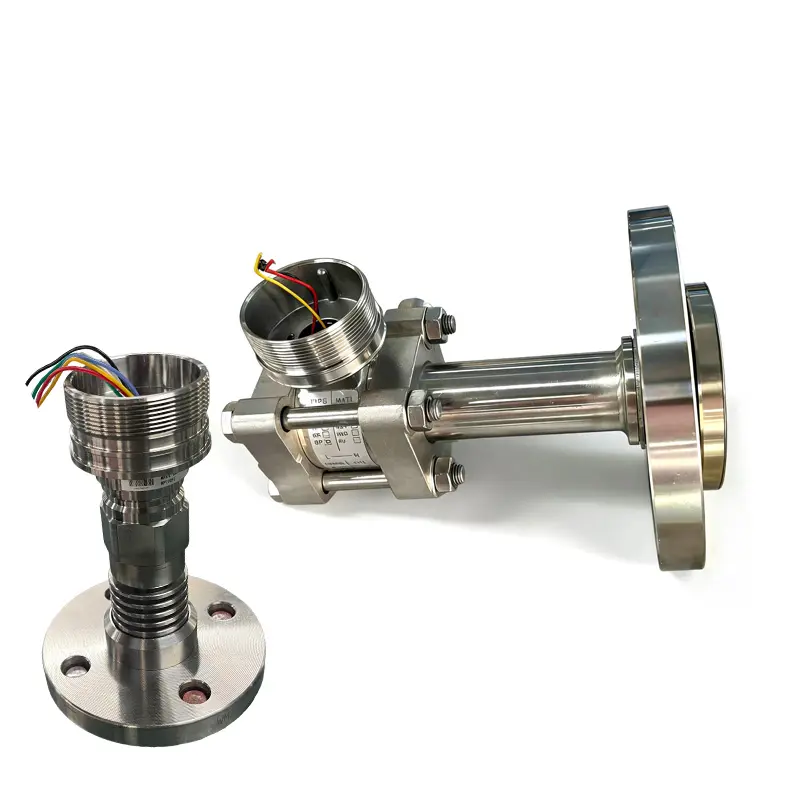
Pressure transmitter output unstable issues can come from pressure fluctuation, vibration, electrical interference, poor grounding, wiring problems, or process conditions. An unstable signal does not always mean the transmitter is defective. The signal may be showing a real pressure change, or the installation may be causing noise.
Before replacing the transmitter, buyers should identify whether the problem is process-related, electrical, or mechanical.
Is the Process Pressure Really Stable?
The first question is whether the pressure itself is stable. Pump outlets, compressors, hydraulic systems, and fast valve operations can create pressure pulsation. In these cases, the transmitter output may be unstable because the process pressure is actually changing.
This is common in:
- Pump discharge lines
- Compressor outlets
- Hydraulic systems
- Pipelines near control valves
- Reciprocating equipment
- Systems with water hammer or pressure shock
If the pressure is pulsating, a different installation point, suitable range, snubber, damping element, or signal damping may be needed.
Check Wiring and Electrical Interference
If the process pressure is stable but the output signal jumps, the problem may be electrical. Long signal cables, poor shielding, grounding issues, loose terminals, water ingress, or cables placed near motors and frequency converters can cause unstable output.
Buyers should check whether the signal cable is routed near high-voltage cables, whether the shield is grounded properly, and whether the terminal box or cable gland is wet.
Check Power Supply and Load
Unstable power supply can also cause unstable output. A weak or noisy DC power supply may affect the transmitter signal. Excessive loop resistance can also cause output problems in 4–20 mA systems.
If the transmitter works normally during bench testing but becomes unstable after installation, the site loop should be checked carefully.
Check Installation and Medium
Mechanical vibration can affect both the transmitter body and the process connection. Dirty, viscous, or crystallizing media may partially block the pressure port, causing slow or unstable response. For high-temperature service, direct heat may also cause drift.
In difficult media, the solution may be a flush diaphragm, diaphragm seal, remote mounting, or better process connection.
Conclusion
When pressure transmitter output is unstable, check whether the pressure is truly fluctuating, then review wiring, grounding, shielding, power supply, loop load, vibration, medium blockage, and temperature influence. The solution depends on the real cause, not only the transmitter model.
SIY Electric can help troubleshoot unstable pressure transmitter output and suggest wiring, installation, damping, or transmitter structure improvements.