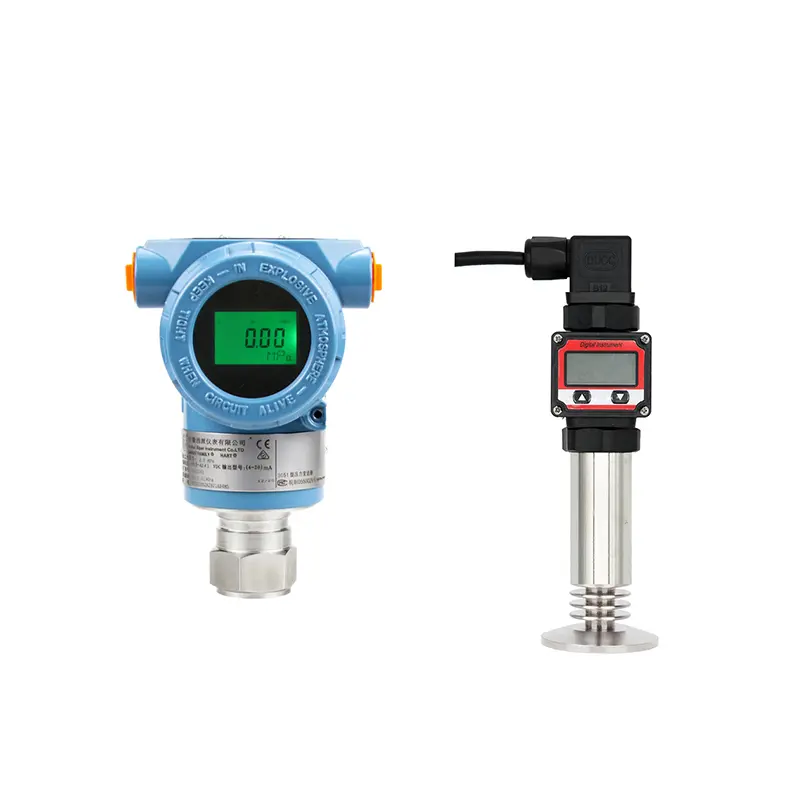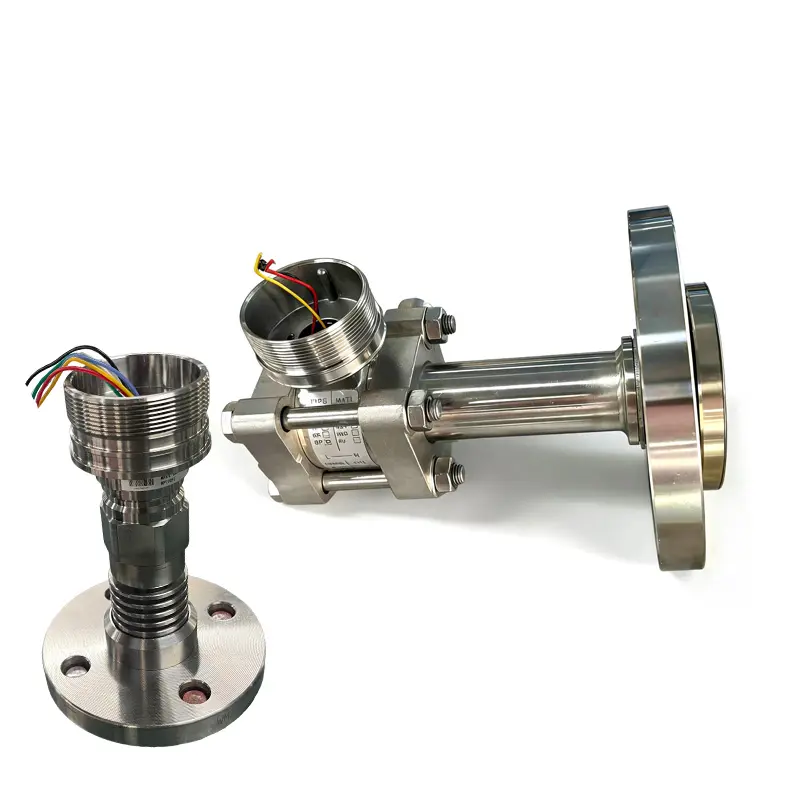
A pressure transmitter wiring diagram explains how power supply, signal output, PLC input, display instruments, and grounding should be connected. It is one of the most useful documents for installation and troubleshooting, especially when the transmitter uses 4–20 mA output.
A wiring diagram should not only show lines between terminals. It should make clear whether the transmitter is 2-wire, 3-wire, or 4-wire, and whether the receiving device provides loop power or only receives the signal.
What a Wiring Diagram Should Show
A good wiring diagram should help the technician connect the transmitter correctly without guessing. The most important information includes the transmitter terminals, power supply, signal receiver, polarity, and cable shielding.
For a typical 2-wire 4–20 mA transmitter, the diagram should show one complete current loop. The loop usually includes the DC power supply, transmitter, and PLC or display input. If any part is wired outside the loop, the signal may not work.
For 3-wire transmitters, the diagram should show separate power and signal wires. This is important because the signal wire is not used the same way as a 2-wire current loop.
2-Wire 4–20 mA Wiring
Most industrial pressure transmitters use 2-wire wiring. The same two wires provide power and carry the current signal. This is why polarity matters.
If the transmitter has no output, technicians should check whether the loop is complete, whether the DC power supply is correct, whether polarity is reversed, and whether the PLC input is set for current input.
A 2-wire diagram should make the series connection clear. Many wiring mistakes happen when the transmitter is connected only to power but not properly through the receiving input.
Wiring to PLC or Display
The receiving device may be a PLC, DCS, digital display, recorder, or signal isolator. Some devices provide loop power. Others do not. This difference must be shown in the wiring diagram.
If the PLC input is passive, an external 24 VDC power supply is normally needed. If the input is active, the PLC may provide loop power. Wrong assumptions about active and passive inputs are a common cause of no signal.
Grounding and Shielding
For stable output, the wiring diagram should also show shielding or grounding requirements when needed. This is especially important when cables are long or installed near motors, frequency converters, high-voltage lines, or other sources of interference.
Poor shielding may not stop the transmitter completely, but it can cause unstable output or noisy readings.
Conclusion
A pressure transmitter wiring diagram should clearly show wiring type, power supply, signal output, PLC or display input, polarity, shielding, and grounding. It helps prevent common problems such as no output, reversed polarity, wrong input type, and unstable signal.
SIY Electric can help buyers check pressure transmitter wiring diagrams for 2-wire, 3-wire, 4–20 mA, HART, and PLC connection applications.