pressure transmitter shop
Explosion Proof Cable Gland
shop

pressure transmitter shop
Explosion Proof Cable Gland
shop
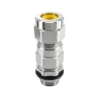
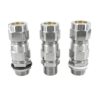
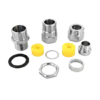
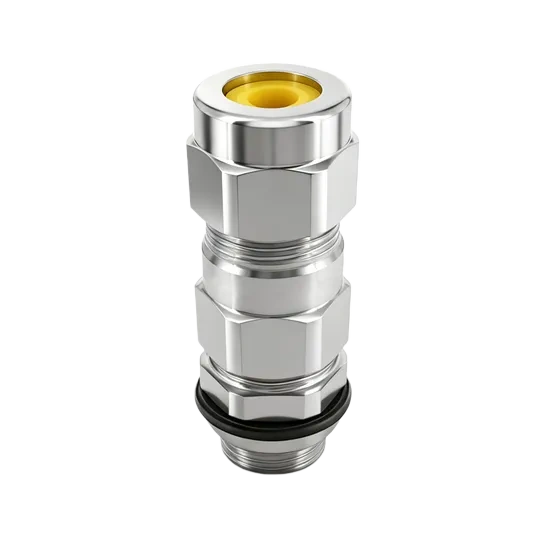
The Explosion Proof Cable Gland is a cable entry accessory used with pressure transmitters, differential pressure transmitters, temperature transmitters, pressure switches, and explosion-proof instrument housings. It helps seal and protect the electrical cable entry, reducing the risk of dust, moisture, and gas ingress in industrial field installations.
For SIYelectric pressure transmitter assemblies, common thread options include M20×1.5 and 1/2 NPT. When explosion-proof or hazardous area requirements are specified, a double sealed cable gland is commonly selected to improve cable sealing reliability and site safety.
The Explosion Proof Cable Gland is a small but important accessory for pressure transmitter wiring and field installation. It is installed at the electrical cable entry of a transmitter housing, junction box, control enclosure, or field instrument.
In most industrial pressure measurement applications, the transmitter is installed outdoors, near pipelines, tanks, vessels, pumps, chemical equipment, or hazardous process areas. The cable gland helps secure the cable, seal the entry point, and protect the instrument housing from environmental ingress.
For pressure transmitters and differential pressure transmitters, the most common electrical connection sizes are M20×1.5 and 1/2 NPT. Depending on the project specification, the cable gland can be supplied in explosion-proof, double sealed, stainless steel, brass, armoured cable, or non-armoured cable configurations.
A cable gland is not the measuring element of the transmitter, but it directly affects installation safety and long-term reliability. If the cable entry is not properly sealed, moisture, dust, corrosive gas, or hazardous gas may enter the transmitter housing, which can cause wiring failure, corrosion, insulation problems, or unsafe operation in hazardous areas.
The explosion proof cable gland, also called an Ex cable gland, explosion proof cable connector, or double sealed cable gland, is designed to provide a secure cable entry for field instruments used in industrial environments.
For SIYelectric pressure transmitter products, we normally use explosion-proof electrical interfaces. When the customer requires higher sealing performance or hazardous area compliance, a double sealed explosion proof cable gland is usually recommended.
Typical installation position:
Cable → Explosion Proof Cable Gland → Pressure Transmitter Electrical Housing
For differential pressure transmitters, the cable gland is installed on the electronics housing, while the process side may be connected with manifolds, impulse lines, diaphragm seals, or other pressure accessories.
This product may be called by different names in project documents or supplier lists:
| Common Name | Typical Meaning |
|---|---|
| Explosion Proof Cable Gland | General product name for hazardous area cable entry |
| Ex Cable Gland | Short name for explosion-proof cable gland |
| Double Sealed Cable Gland | Cable gland with double sealing structure |
| Double Sealed Explosion Proof Cable Gland | Explosion-proof gland with enhanced sealing |
| Stainless Steel Cable Gland | Cable gland made of stainless steel |
| Armoured Cable Gland | Cable gland used for armoured cable |
| Explosion Proof Cable Connector | Another common name for Ex cable gland |
| Cable Gland for Pressure Transmitter | Cable gland used on transmitter electrical housing |
Designed for use with pressure transmitters, differential pressure transmitters, smart transmitters, temperature transmitters, pressure switches, and explosion-proof instrument housings.
For pressure transmitter applications, the most common cable entry thread sizes are:
| Thread Size | Typical Use |
|---|---|
| M20×1.5 | Common in many industrial transmitter installations |
| 1/2 NPT | Common in American-standard instruments and Rosemount-style transmitter housings |
| G1/2 | Used in some project or regional specifications |
| M25×1.5 | Used for larger cable or special cable gland requirements |
When required, a double sealed cable gland can provide improved sealing performance at the cable entry, helping protect the instrument from moisture, dust, and gas ingress.
Suitable for transmitter installations in hazardous or explosive atmospheres, depending on the selected certification, material, thread type, and cable specification.
The gland helps clamp and support the cable, reducing mechanical stress on internal wiring terminals.
Common materials include stainless steel, nickel-plated brass, or other materials according to project requirements. Stainless steel is usually preferred for corrosive, outdoor, marine, or chemical environments.
| Item | Specification |
|---|---|
| Product Name | Explosion Proof Cable Gland |
| Brand | SIYelectric |
| Also Called | Ex Cable Gland, Double Sealed Cable Gland, Explosion Proof Cable Connector |
| Suitable Instruments | Pressure Transmitter, Differential Pressure Transmitter, Temperature Transmitter, Pressure Switch |
| Common Thread Sizes | M20×1.5, 1/2 NPT, G1/2, M25×1.5 |
| Common Pressure Transmitter Threads | M20×1.5, 1/2 NPT |
| Structure Options | Single Seal, Double Seal, Armoured Cable Type, Non-Armoured Cable Type |
| Material Options | Stainless Steel, Nickel-Plated Brass, Brass, or Customized |
| Main Function | Cable entry sealing, cable clamping, environmental protection |
| Typical Protection Purpose | Dust, moisture, gas ingress, cable strain |
| Typical Applications | Pressure transmitter wiring, hazardous area instrument installation, junction boxes, control enclosures |
Used on pressure transmitter electrical housings to seal the cable entry and protect wiring terminals from moisture, dust, and environmental contamination.
Commonly used with smart differential pressure transmitters for flow, level, filter differential pressure, and process pressure monitoring systems.
Suitable for field instruments installed in hazardous areas where explosion-proof electrical entry accessories are required.
Can also be used with temperature transmitters, pressure switches, junction boxes, and other industrial electrical housings.
Used in chemical plants, petrochemical plants, power plants, oil and gas sites, water treatment plants, and general industrial environments where field instruments are exposed to rain, dust, humidity, or corrosive atmosphere.
When selecting an explosion proof cable gland for a pressure transmitter, confirm the following details:
Request Your Custom Solution & Factory Price
*We respect your privacy. Your information is used for technical quotation purposes only and will never be shared.
We use cookies to improve your experience and analyze site traffic. Choose which cookies you allow.
Required for the website to function. Cannot be disabled.
Help us understand how visitors interact with the website.
Used to deliver relevant advertisements and track campaigns.
No marketing cookies are used on this site.
Remember your settings and preferences for a better experience.
No preference cookies are used on this site.