pressure transmitter shop
Union Ball Joints
shop

pressure transmitter shop
Union Ball Joints
shop
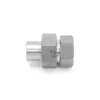
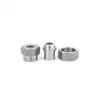
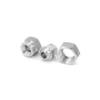
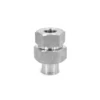
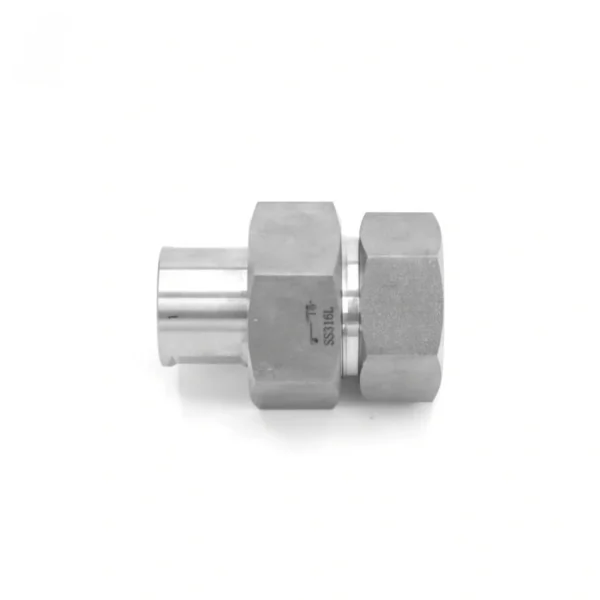
Material: Stainless steel, Alloy, etc.
Connection Type: Thread
Working pressure: 6000psi (414bar)
SIYelectric Stainless Steel Union Ball Joints are designed for flexible pipe, tube, hose, and equipment connection in industrial fluid and gas systems.
Compared with a rigid straight fitting, a union ball joint can provide a certain degree of angular adjustment during installation. This makes it useful when the connected pipeline, valve, instrument, or equipment port is not perfectly aligned. The union structure also supports convenient installation and disassembly, which is helpful for maintenance, replacement, and system modification.
Manufactured from stainless steel, the fitting provides good mechanical strength, corrosion resistance, and reliable sealing performance when properly selected according to pressure, temperature, medium, and connection type.
A union ball joint combines a union-style connection with a ball joint structure. It allows a controlled amount of directional flexibility while maintaining a sealed connection.
| Part / Function | Description |
|---|---|
| Union connection | Allows convenient assembly and disassembly |
| Ball joint section | Provides angular adjustment for slight misalignment |
| Sealing structure | Helps maintain leak-resistant performance under proper installation |
| Stainless steel body | Provides corrosion resistance and mechanical strength |
This union ball joint can be used with:
For pressure instrument installations, union ball joints can be useful when a pressure gauge, transmitter, valve, or manifold connection needs slight angle adjustment during mounting.
Used where two connection points are not perfectly aligned and a rigid fitting may create stress on the pipeline or instrument connection.
Typical examples include:
Suitable for pressure gauge, pressure switch, and pressure transmitter installations where installation angle, visibility, or maintenance access needs to be adjusted.
It can help connect:
Applied in hydraulic power units, pneumatic control panels, actuator lines, and equipment assemblies where vibration, alignment tolerance, or maintenance access must be considered.
The union design makes removal and replacement easier than a fully fixed threaded connection.
Used in gas sampling lines, liquid sampling systems, analyzer cabinets, and laboratory setups where compact but adjustable connections are useful.
This can help reduce installation stress and improve service accessibility in confined spaces.
Suitable for compatible water, oil, gas, steam, chemicals, and utility media. For corrosive, high-pressure, high-temperature, or hazardous media, material grade, sealing structure, and pressure rating should be confirmed before selection.
| Feature | Benefit |
|---|---|
| Union ball joint design | Provides connection flexibility and easy disassembly |
| Angular adjustment | Helps compensate for slight pipeline or instrument misalignment |
| Stainless steel construction | Provides corrosion resistance and mechanical strength |
| Compact structure | Suitable for panels, skids, and limited spaces |
| Maintenance-friendly design | Supports easier inspection, replacement, and system modification |
| Wide compatibility | Suitable for instruments, valves, tubing, hoses, and process equipment |
| Reliable sealing | Helps reduce leakage risk under proper selection and installation |
Before selecting stainless steel union ball joints, confirm:
Correct selection is important because union ball joints are often used where both sealing performance and installation flexibility are required.
Request Your Custom Solution & Factory Price
*We respect your privacy. Your information is used for technical quotation purposes only and will never be shared.
We use cookies to improve your experience and analyze site traffic. Choose which cookies you allow.
Required for the website to function. Cannot be disabled.
Help us understand how visitors interact with the website.
Used to deliver relevant advertisements and track campaigns.
No marketing cookies are used on this site.
Remember your settings and preferences for a better experience.
No preference cookies are used on this site.