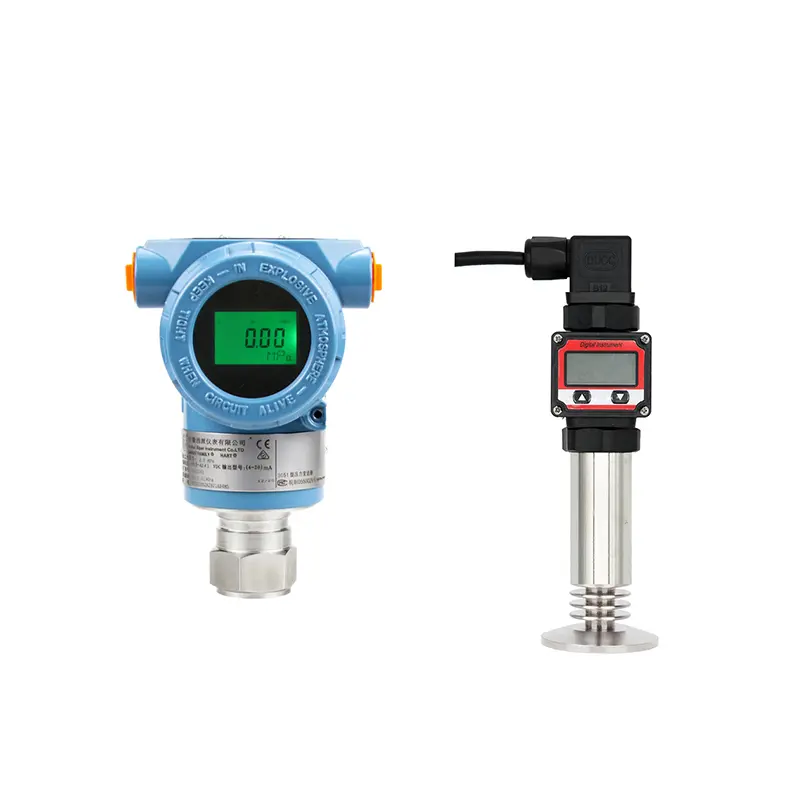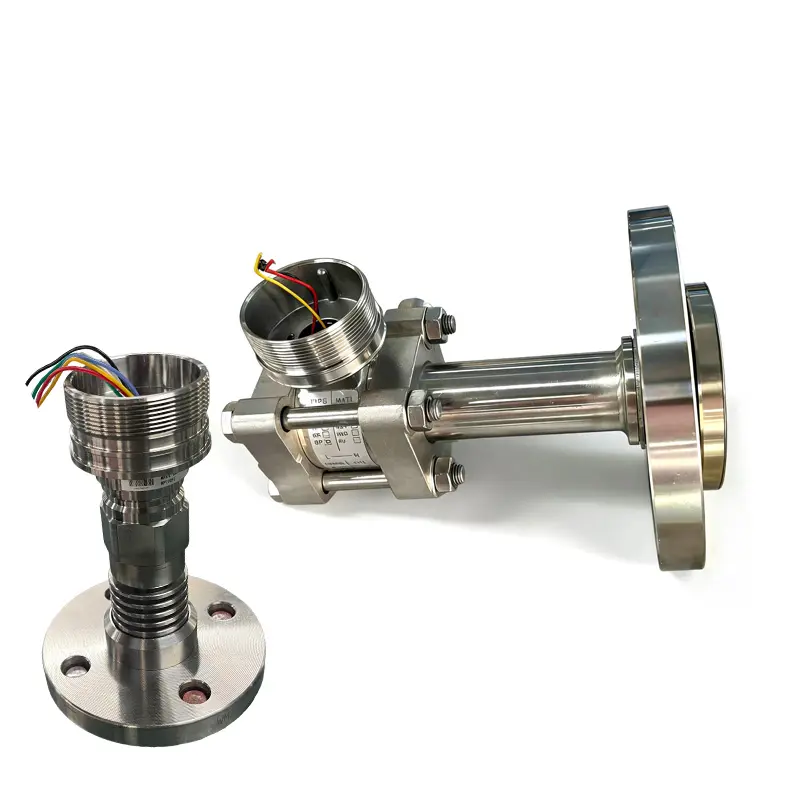
Tri-Clamp pressure transmitter selection should focus on clamp size, ferrule standard, seal material, diaphragm design, and installation position. In sanitary processes, Tri-Clamp connection is common because it is easy to install, remove, inspect, and clean. But a Tri-Clamp connection is not just one universal size.
If the clamp size or gasket is wrong, the transmitter may not fit the process connection or may create leakage and cleaning problems.
Confirm the Clamp Size
The first step is to confirm the actual Tri-Clamp size used on site. Buyers should not only describe the pipe size, because clamp size and pipe size are not always understood in the same way by different users or suppliers.
Before ordering, confirm:
- Clamp size
- Ferrule size
- Pipe size
- Existing gasket size
- Existing clamp type
- Whether the transmitter replaces an old unit
A photo of the existing connection is very helpful, especially for replacement projects.
Check the Seal Material
The seal or gasket is part of the hygienic boundary. It must be compatible with the process product, cleaning liquid, and temperature.
Buyers should check:
- Product medium
- Cleaning chemical
- CIP temperature
- SIP temperature, if used
- Gasket material requirement
- Whether the gasket must meet a specific plant standard
A good pressure transmitter can still create problems if the gasket is not suitable for the process.
Flush Diaphragm Design
Most Tri-Clamp pressure transmitters use a flush diaphragm. This helps reduce dead space and makes the measuring surface easier to clean. For viscous products or hygienic lines, this is usually much better than a standard threaded pressure port.
Flush diaphragm design is useful when:
- Product residue must be reduced.
- The process is cleaned in place.
- The product is sticky or viscous.
- The plant requires hygienic design.
- The transmitter is installed directly on a product line.
The diaphragm should be installed correctly so that it does not create unnecessary pockets or residue points.
Installation Position
Installation affects cleanability. Even with a sanitary transmitter, poor installation can create dead space or make cleaning difficult. The transmitter should be installed where product can flow and drain properly.
Buyers should consider:
- Whether the transmitter position can drain after cleaning
- Whether the diaphragm faces a suitable flow area
- Whether the transmitter can be removed for inspection
- Whether there is enough space for the clamp and wiring
- Whether cable entry is protected from washdown water
Clean installation is as important as clean product design.
Conclusion
A Tri-Clamp pressure transmitter should be selected by checking clamp size, ferrule standard, gasket material, flush diaphragm design, and installation position. These details decide whether the transmitter can fit the sanitary process and remain easy to clean.
SIY Electric can help match Tri-Clamp pressure transmitters with sanitary process connections, gasket requirements, and clean installation conditions.