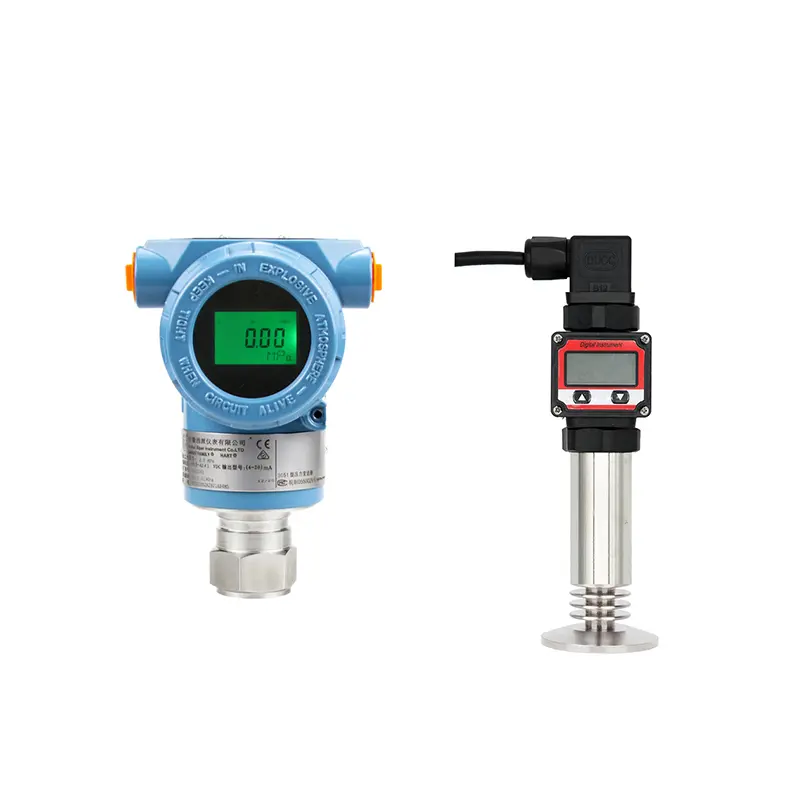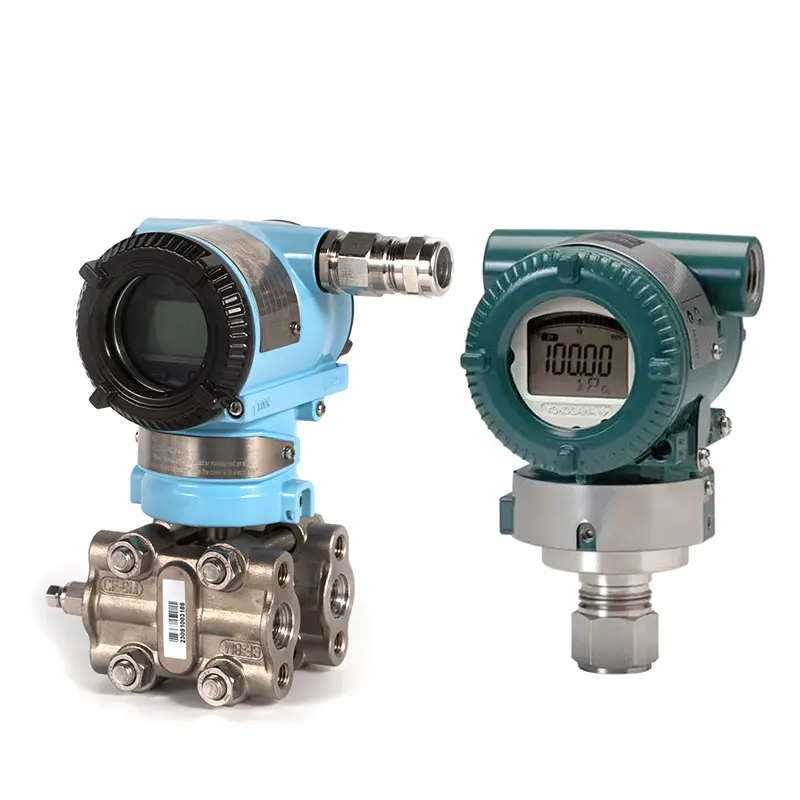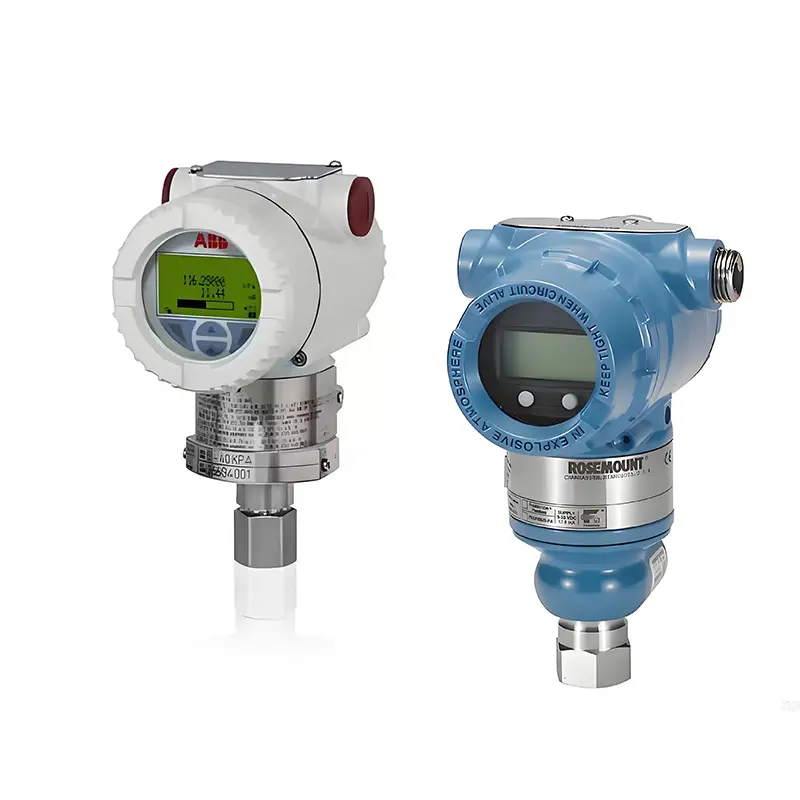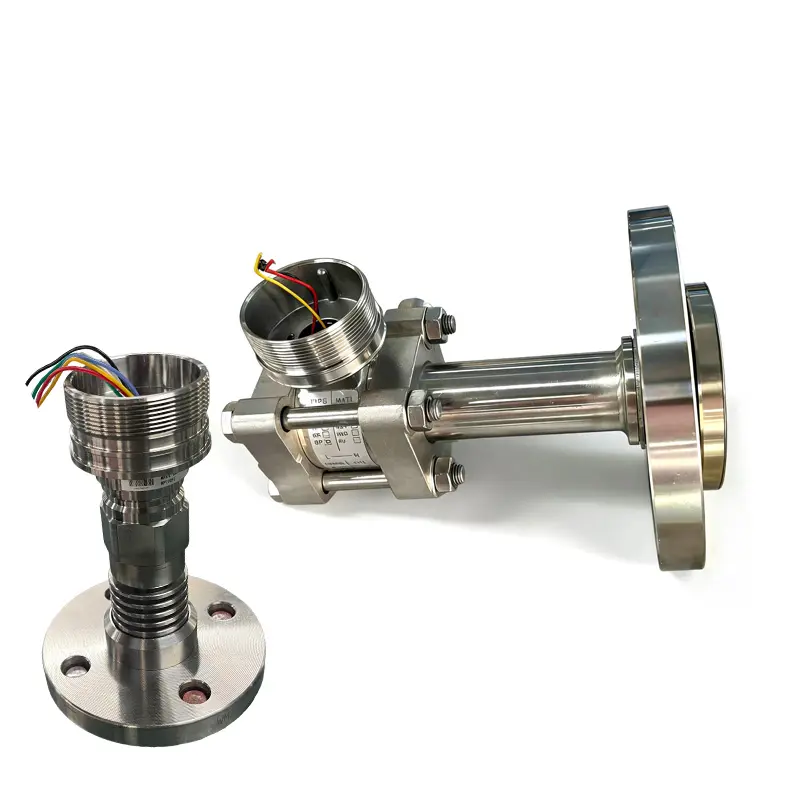
An absolute pressure transmitter measures pressure relative to absolute vacuum instead of atmospheric pressure. This makes it different from a gauge pressure transmitter, which measures pressure relative to local atmosphere.
The difference matters because atmospheric pressure changes with location and weather. In some applications, those changes cannot be ignored. Absolute pressure measurement gives a fixed reference point.
How Absolute Pressure Is Different
Gauge pressure uses atmospheric pressure as its reference. When a gauge pressure transmitter reads zero, the process pressure is equal to surrounding atmosphere.
Absolute pressure uses absolute vacuum as its reference. At normal atmosphere, an absolute pressure transmitter does not read zero. It reads atmospheric pressure as an absolute value.
This is why a gauge transmitter and an absolute transmitter cannot be replaced only by matching the range number. Their reference points are different.
When Absolute Pressure Is Used
Absolute pressure transmitters are used when the process needs a pressure value that does not depend on local atmospheric changes.
They are commonly used in:
- Vacuum systems
- Sealed vessels
- Gas process measurement
- Low-pressure or near-vacuum applications
- Barometric-related pressure measurement
- Processes where atmospheric variation affects calculation
In these applications, using gauge pressure may introduce error because the atmospheric reference is not fixed.
Absolute Pressure vs Vacuum Pressure
Vacuum applications can be described in different ways. Some buyers describe vacuum as negative gauge pressure, while others need absolute pressure. These are not the same.
For example, a vacuum system may be specified as pressure below atmosphere or as pressure above absolute vacuum. Before ordering, buyers should confirm whether the system needs gauge vacuum, absolute pressure, or compound pressure.
This is especially important when connecting the transmitter to a PLC or display. The scaling must match the pressure reference.
What Buyers Should Confirm
Before choosing an absolute pressure transmitter, buyers should confirm the pressure range, unit, medium, process temperature, connection, output signal, and whether the system operates only under vacuum or may also reach positive pressure.
If the process medium is corrosive, condensable, dirty, or high-temperature, the structure and wetted material should also be checked. Absolute pressure reference does not solve material or installation problems.
Conclusion
An absolute pressure transmitter is used when pressure must be measured relative to absolute vacuum. It is suitable for vacuum systems, sealed vessels, gas processes, and applications where atmospheric pressure changes matter.
SIY Electric can help buyers choose absolute pressure, gauge pressure, vacuum, or compound pressure transmitters according to real process requirements.