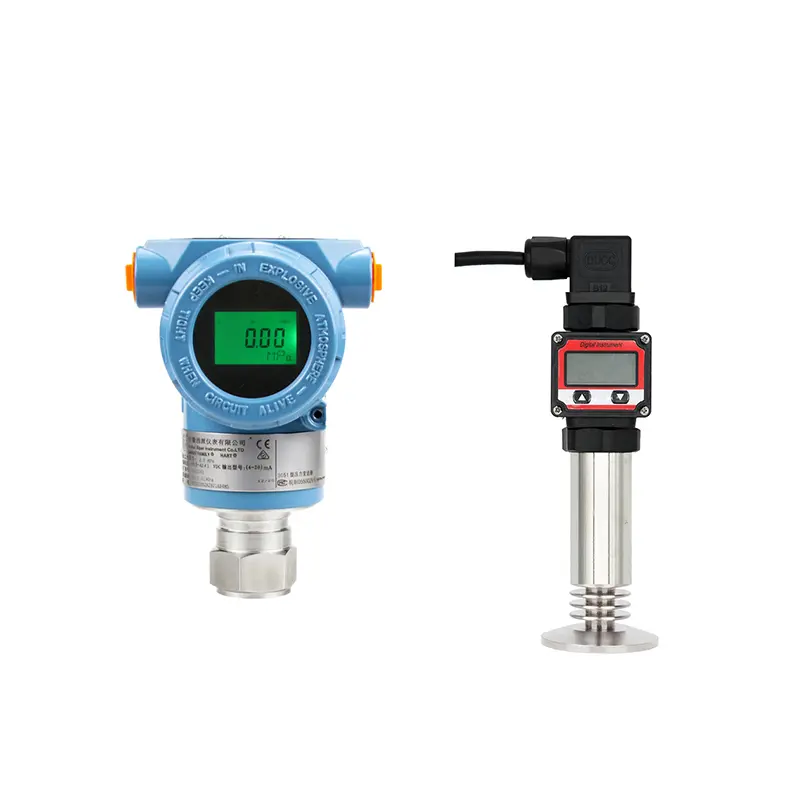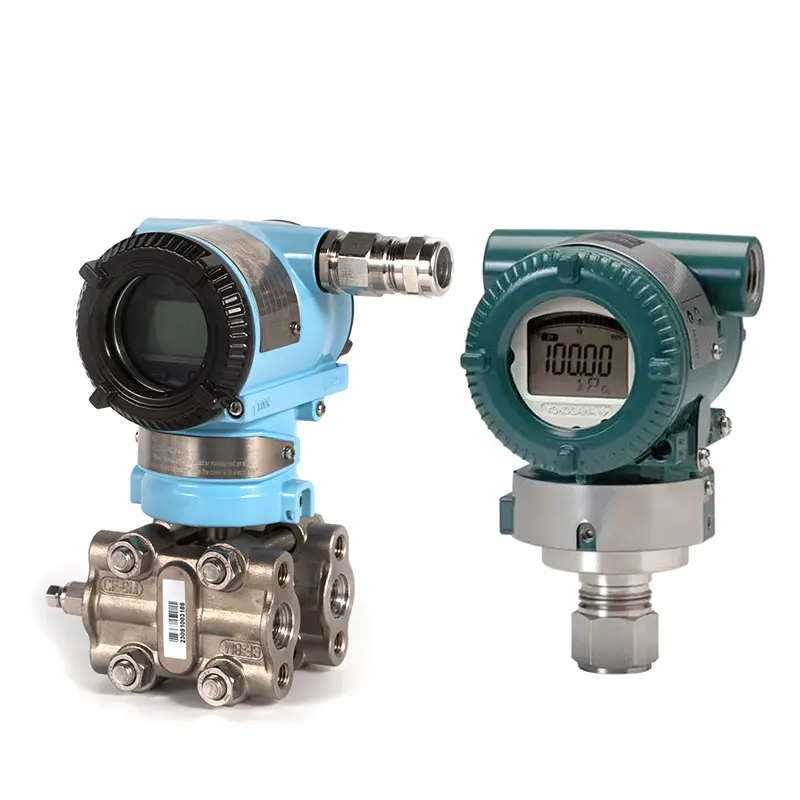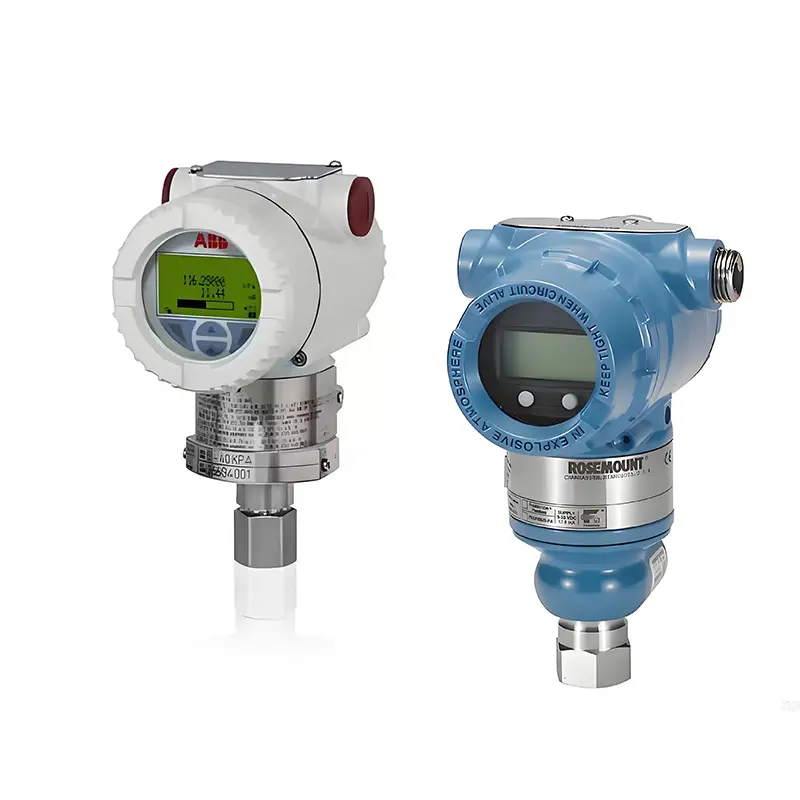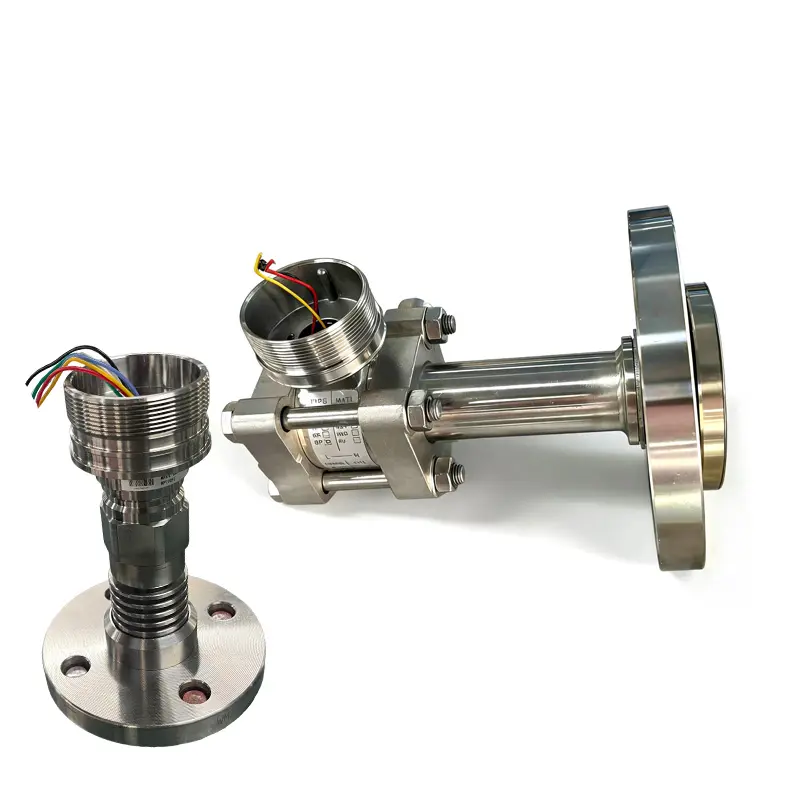
Replacement pressure transmitters should be checked carefully before ordering, because matching only the range or old model number may not be enough. Many buyers replace a transmitter only when the old one fails, the model is discontinued, or the project needs urgent spare parts. In these situations, it is easy to focus only on fast delivery and ignore important technical details.
A replacement transmitter must match the real application. If the range, output, connection, material, or installation structure is wrong, the new transmitter may not work even if it looks similar.
Check the Old Transmitter Information
The old transmitter is the first reference. A nameplate photo is usually more useful than a typed model number because it reduces the risk of copying errors.
Buyers should collect:
- Old model number
- Brand name
- Nameplate photo
- Measuring range
- Output signal
- Power supply
- Process connection
- Explosion-proof marking, if any
If the old transmitter is still installed, an installation photo is also helpful. It can show the connection, bracket, valve, cable entry, and surrounding space.
Check Whether the Old Selection Was Correct
One common mistake is assuming that the old transmitter must be correct. In many plants, old instruments may have been replaced before, modified by maintenance teams, or selected based on limited information.
Before ordering the same or equivalent model, buyers should ask:
- Did the old transmitter work well before failure?
- Was there corrosion, blockage, leakage, or unstable output?
- Was the range suitable for actual working pressure?
- Was the process connection convenient for maintenance?
- Did the failure relate to the medium or installation?
If the old transmitter failed because of wrong material, high temperature, pressure shock, or blockage, buying the same type may repeat the same problem.
Check Medium and Wetted Material
Medium compatibility is one of the most important points in replacement. For clean water, air, and oil, standard materials may be enough. For acid, alkali, wastewater, slurry, or chemical liquids, the wetted material must be checked carefully.
Buyers should not only check the diaphragm material. The process connection, seal ring, flange, and lining structure may also contact the medium. A replacement may fail if only one wetted part is suitable while other parts are not.
For viscous, dirty, or crystallizing media, blockage should also be considered. A standard pressure port may not be suitable. A flush diaphragm or diaphragm seal structure may be required.
Check Pressure Range and Pressure Type
The replacement transmitter should match both the measuring range and the pressure type.
Gauge pressure, absolute pressure, vacuum, and compound pressure are not the same. If the old application includes vacuum or pressure fluctuation, this should be confirmed before ordering.
Buyers should provide:
- Normal working pressure
- Maximum working pressure
- Required measuring range
- Pressure type
- Whether pressure surge exists
This is especially important for pump outlets, compressors, hydraulic systems, and processes with pressure shock. A transmitter that works too close to its upper limit may have a shorter service life.
Check Process Connection and Installation
A replacement transmitter must fit the existing installation. Even small differences in thread or flange standard can cause serious problems.
For threaded connections, check whether it is G thread, NPT thread, M thread, or another standard. G1/2 and 1/2 NPT may look similar, but they are not interchangeable.
For flange connections, check:
- Flange size
- Pressure rating
- Standard
- Sealing face
- Flange material
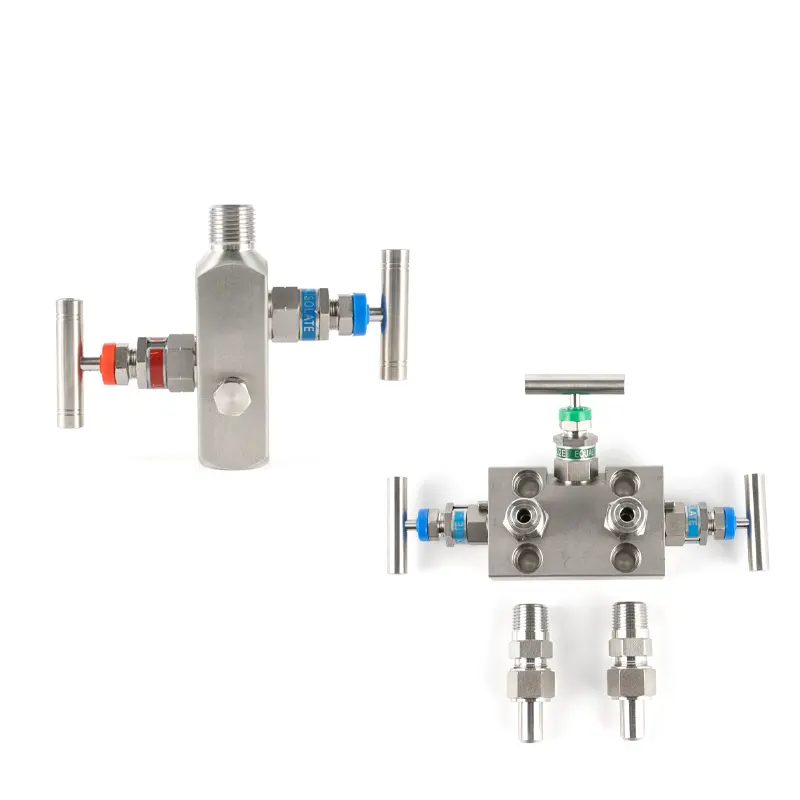
If the old transmitter uses a manifold, adapter, bracket, siphon tube, or diaphragm seal, these parts should also be checked. The replacement should not be selected as only an instrument body if the installation depends on accessories.
Check Output Signal and Control System
The replacement transmitter must match the control system. For most industrial applications, 4–20 mA is common, but some systems require HART, RS485, Modbus, or voltage output.
Buyers should also check wiring method, cable entry, display requirement, and power supply. A transmitter with the correct range but wrong output signal cannot communicate properly with the PLC, DCS, display instrument, or data acquisition system.
Check Certificates and Project Requirements
For general replacement, standard documents may be enough. But if the transmitter is used in a hazardous area or regulated project, certificates and markings should be checked before ordering.
Important items may include:
- Explosion-proof approval
- Intrinsic safety requirement
- Calibration certificate
- Material certificate
- Certificate of conformity
- Project-specific document requirements
These should be confirmed before shipment, not after the product arrives.
Conclusion
Before ordering replacement pressure transmitters, buyers should check more than the old model number. The old nameplate, working condition, medium, pressure range, process connection, output signal, installation accessories, and certificate requirements should all be reviewed.
SIY Electric can help check old pressure transmitter models, nameplate photos, and replacement requirements. If the original model is unavailable or lead time is too long, we can help compare equivalent replacement options based on the real application.