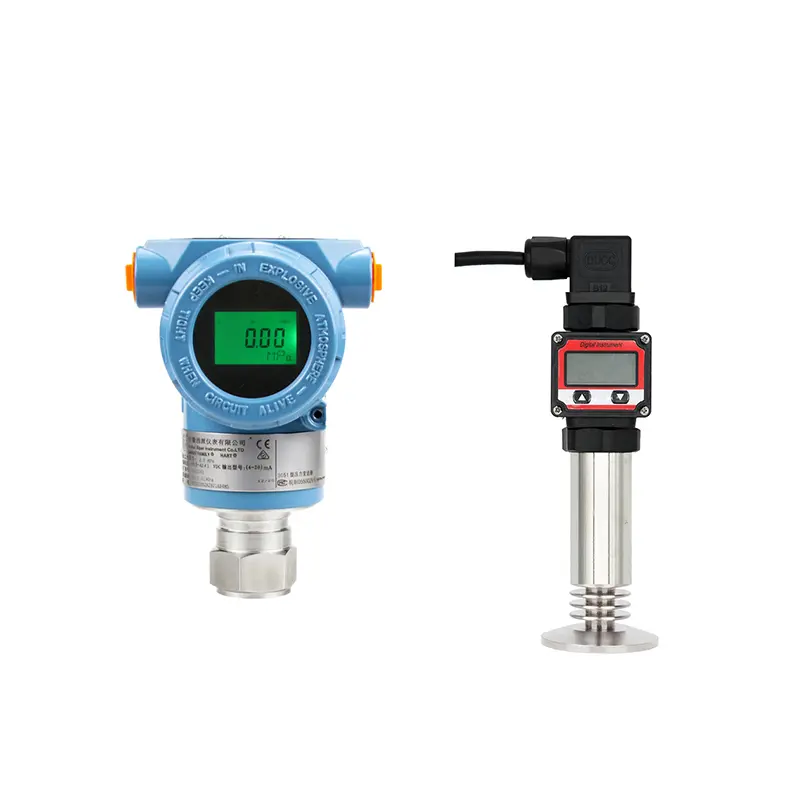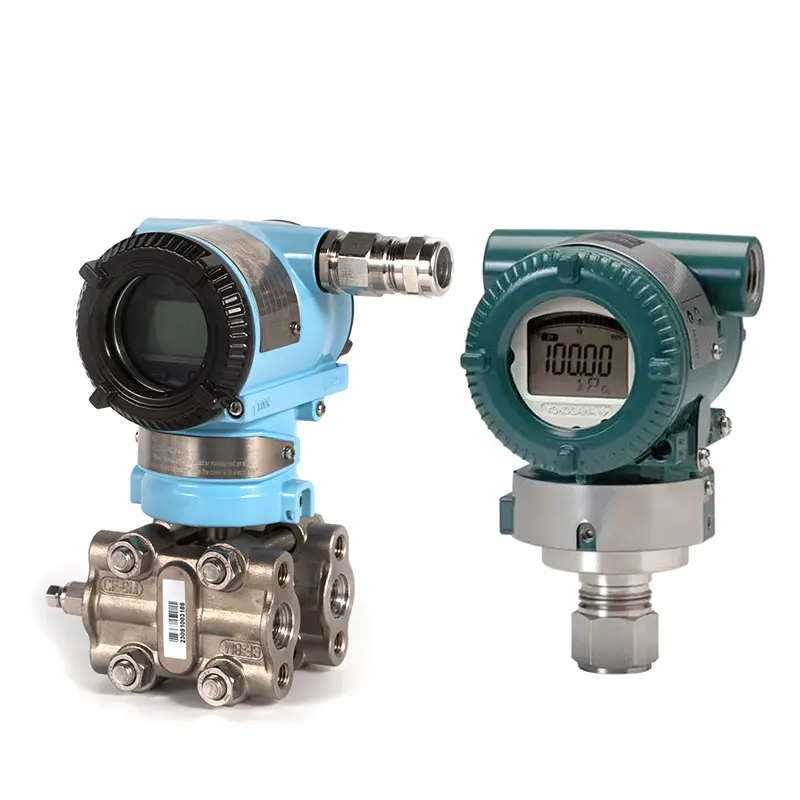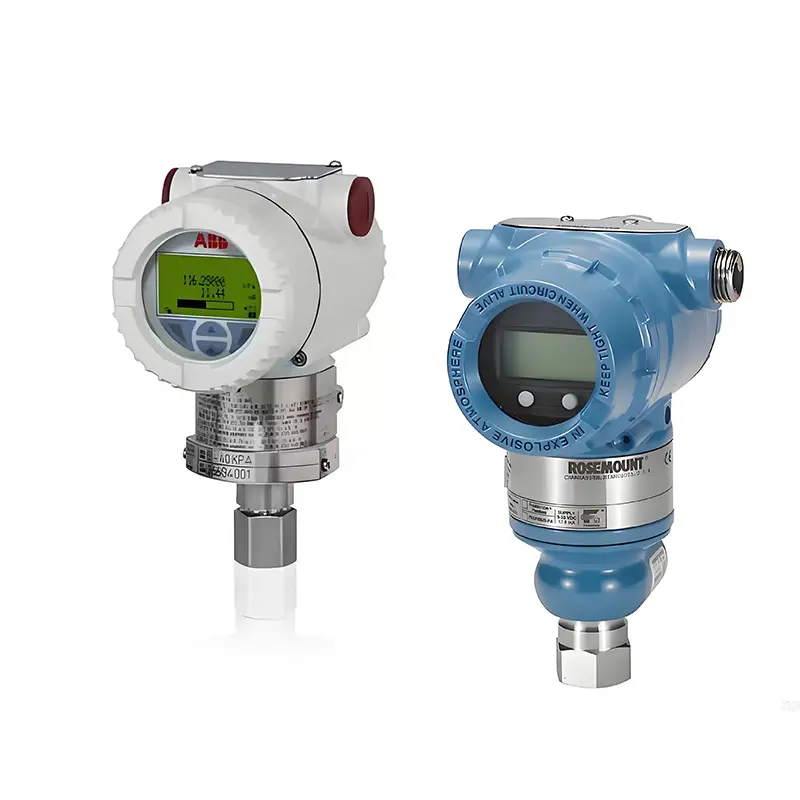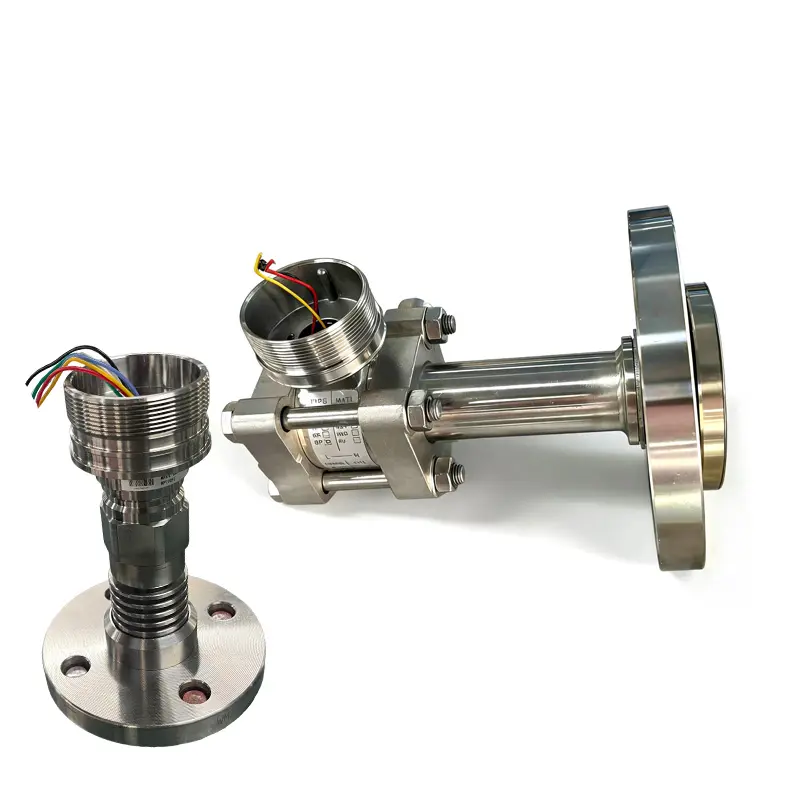
A single flange differential pressure level transmitter is suitable when the tank level can be measured from one lower process connection and the reference side condition is clear. It is commonly used for open tanks, vented tanks, and some simple liquid level applications where the upper side of the tank does not create changing pressure that must be compensated.
The main point is simple: a single flange DP level transmitter measures the pressure created by the liquid column. If the tank is open to atmosphere, the measurement is usually straightforward. If the tank is closed or pressurized, the gas pressure above the liquid may affect the reading, and a dual flange DP level transmitter may be more suitable.
Where It Works Well
A single flange DP level transmitter is often selected when the process is not too complex and the bottom connection can be used for level measurement. It is more robust than an ordinary threaded pressure transmitter when the medium is corrosive, hot, sticky, or needs a flush diaphragm contact surface.
It is usually suitable for:
- Open tanks
The liquid surface is exposed to atmosphere, so the transmitter mainly measures the liquid column pressure. - Vented tanks
If the tank is properly vented, the top pressure does not create a changing measurement error. - Corrosive or dirty liquids
The flange diaphragm seal helps isolate the transmitter sensor from the medium. - Applications where impulse lines may block
A flange diaphragm is often easier to use than a small pressure port or impulse tube. - Low or moderate temperature tanks
Direct-mounted single flange structures are usually simpler when the transmitter body can stay near the process.
When It May Not Be Enough
A single flange DP level transmitter is not always the correct solution. If the tank is closed and the top pressure changes, the transmitter may read both liquid level and tank pressure influence. In that case, using only one lower flange connection may not provide accurate level measurement.
Be careful when:
- The tank is closed and pressurized.
- Top pressure changes during operation.
- The liquid produces vapor pressure.
- The transmitter must be installed away from high temperature.
- The application requires top pressure compensation.
For these cases, a dual flange DP level transmitter or a capillary structure may be more suitable.
What Buyers Should Confirm
Before selecting a single flange DP level transmitter, buyers should confirm the real tank condition, not only the measuring range. The supplier needs to know whether the liquid level pressure can be measured from the bottom connection without top pressure interference.
The most useful information includes tank type, liquid density, measuring height, working temperature, process connection, flange size, and whether the tank is open, vented, or closed. These details decide whether a single flange structure is enough.
Conclusion
A single flange differential pressure level transmitter is suitable for open or vented tanks where level can be measured from the liquid column pressure. It is not ideal for closed tanks with changing top pressure. For accurate selection, buyers should confirm tank type, density, level height, temperature, flange details, and pressure condition before ordering.
SIY Electric can help check whether a single flange DP level transmitter, capillary type, or dual flange DP level transmitter is more suitable for your tank application.