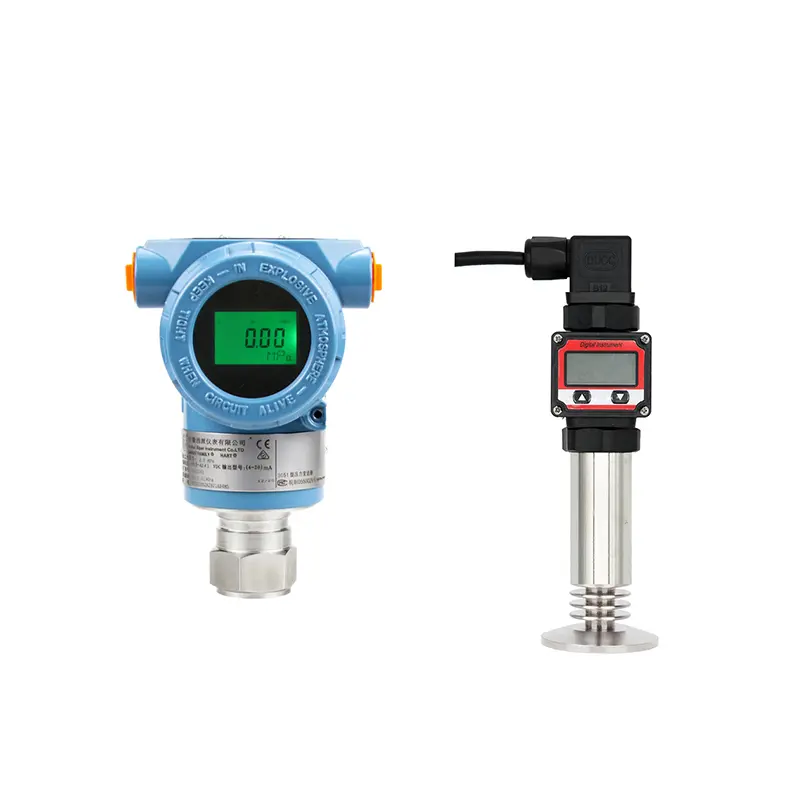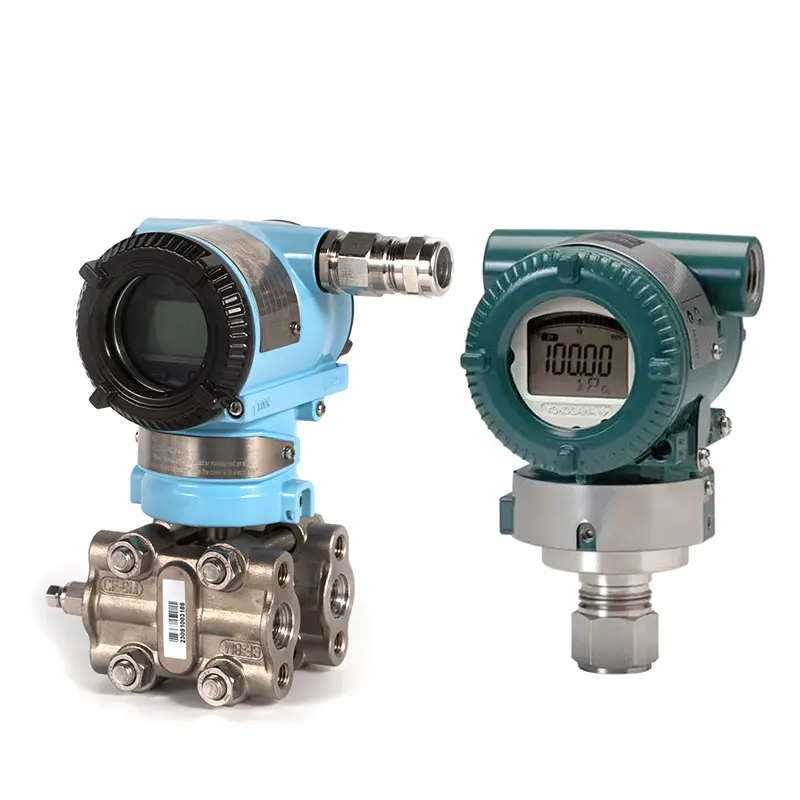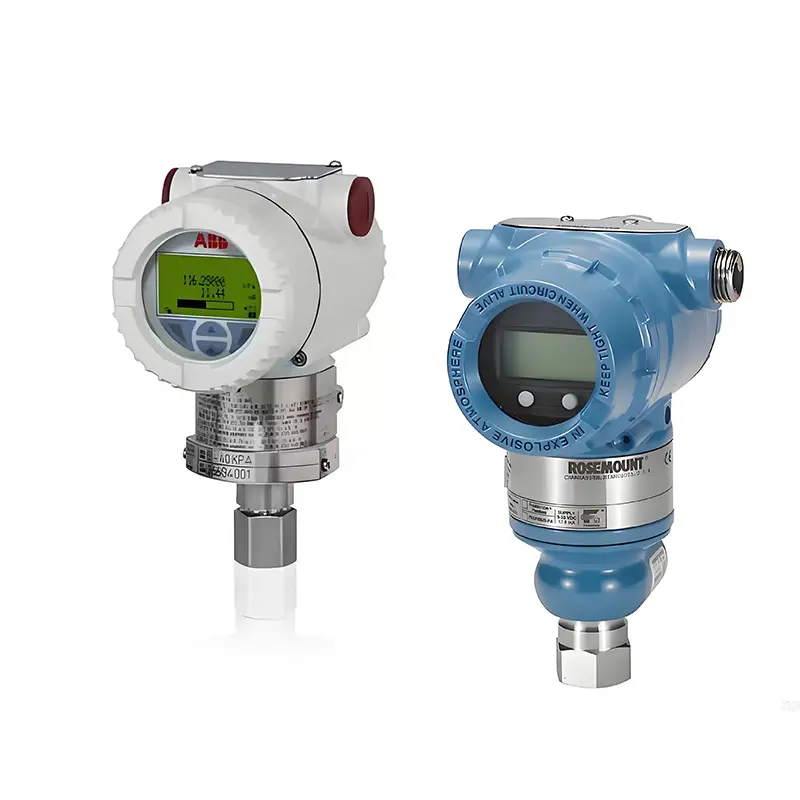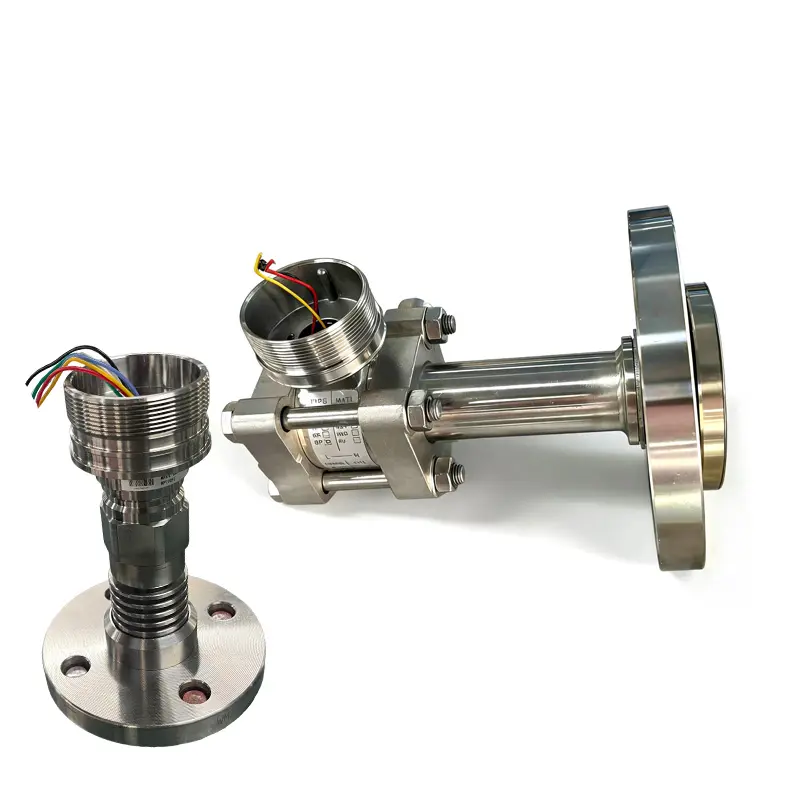
Rosemount, ABB, E+H and Yokogawa transmitters may have long lead times because many orders depend on model configuration, factory schedule, channel availability, certificates and special process requirements. For buyers, it can be frustrating when a pressure transmitter looks like a common product but still needs weeks or even longer to deliver.
Lead time is not only about stock. It is also about whether the exact model code, material, range, connection and approval are available.
Standard Models vs Special Configurations
Some standard transmitters may be available faster if the configuration is common. But many global brand pressure transmitters are ordered by complete model code. Small differences in code can change the delivery time.
Lead time may become longer when the transmitter includes:
- Special measuring range
- Special wetted material
- Diaphragm seal or capillary
- Special flange size
- Explosion-proof approval
- Special housing or display
- Project-specific documentation
A basic gauge pressure transmitter may be easier to source than a diaphragm seal differential pressure transmitter with special material and certificates.
Factory Schedule and Channel Availability
Global brand transmitters often depend on factory production schedules and official supply channels. If the exact configuration is not in stock, it may need to be produced or assembled according to the model code.
Channel availability also matters. Some products may be available in one region but not another. Some configurations may be controlled by project channels, local distributors or brand policies.
This is why two suppliers may give different lead times for similar-looking products. One supplier may quote from stock, while another may quote factory lead time.
Documents and Certificates Can Add Time
For project orders, documents and certificates can affect lead time. Calibration certificates, origin documents, explosion-proof certificates, inspection records or project-specific documents may need extra preparation.
If the buyer confirms document requirements late, delivery may be delayed even if the transmitter is ready.
Before placing the order, buyers should confirm:
- Required certificates
- Calibration document requirements
- Origin document requirements
- Project inspection requirements
- Serial number matching requirements
This is especially important for tenders and end-user acceptance.
Diaphragm Seals and Special Materials Need More Time
Diaphragm seal transmitters often take longer than standard threaded transmitters. They require seal parts, diaphragm material, filling fluid, assembly and calibration. If the seal uses special alloy, PTFE lining, long capillary or non-standard flange, the lead time can be longer.
Special materials also affect delivery. Hastelloy, tantalum, Monel, titanium and special coatings may not always be available immediately.
For urgent projects, buyers should check whether the same function can be achieved with an available configuration or equivalent solution.
How Buyers Can Reduce Lead Time Risk
Buyers cannot control factory schedules, but they can reduce delay risk by preparing information clearly.
To save time, buyers should provide:
- Complete model code
- Quantity
- Required documents
- Required delivery date
- Whether alternatives are acceptable
- Existing nameplate photo, if it is a replacement
- Application details, if equivalent replacement is considered
If the exact model has a long lead time, the supplier may check stock, equivalent configurations or alternative brands.
When an Alternative May Be Useful
If the project allows alternatives, buyers may consider Chinese pressure transmitters or equivalent replacement options for standard applications. This is common when the original global brand model has a long lead time and the application is not restricted by brand approval.
However, alternatives should not be selected only by price or appearance. They must match the range, output, material, process connection and working condition.
Conclusion
Rosemount, ABB, E+H and Yokogawa transmitters may have long lead times because of exact model codes, factory schedules, special materials, diaphragm seals, certificates and channel availability. Buyers should confirm the complete configuration and document requirements early to reduce delays.
SIY Electric can help check selected global brand transmitter availability and compare equivalent pressure transmitter options when lead time is critical.