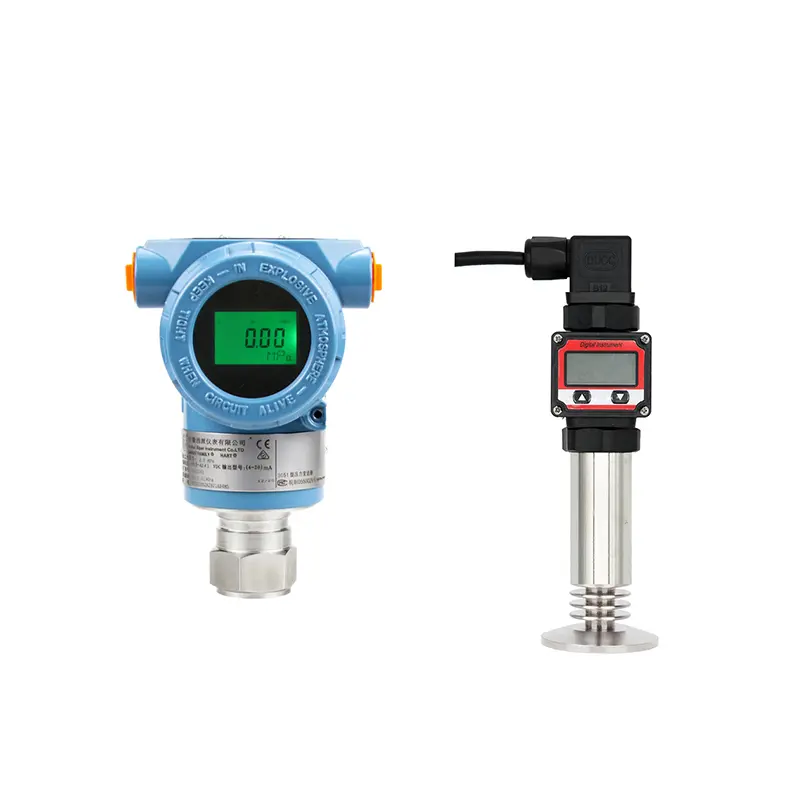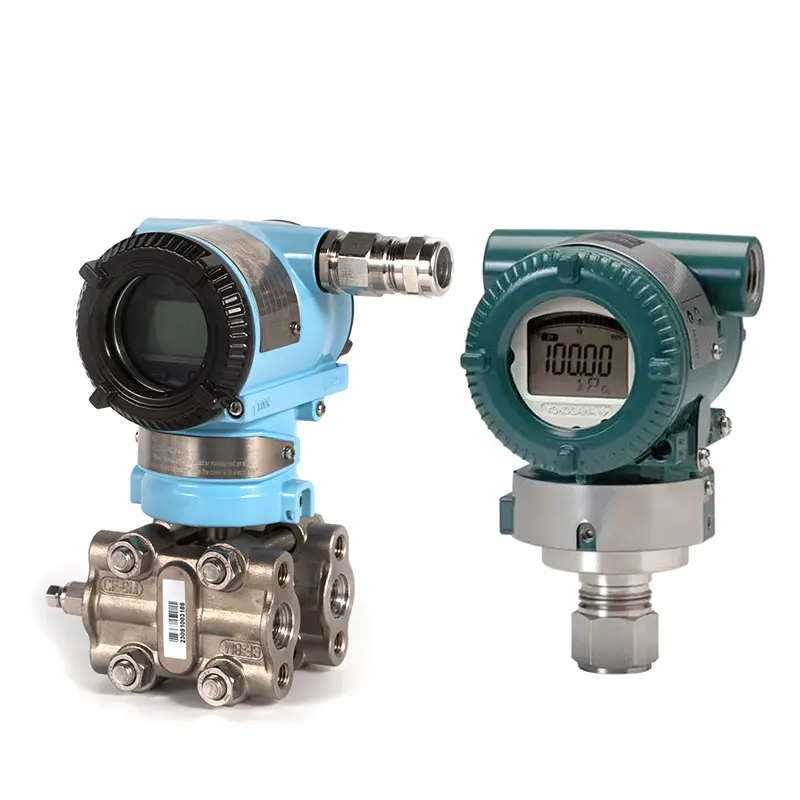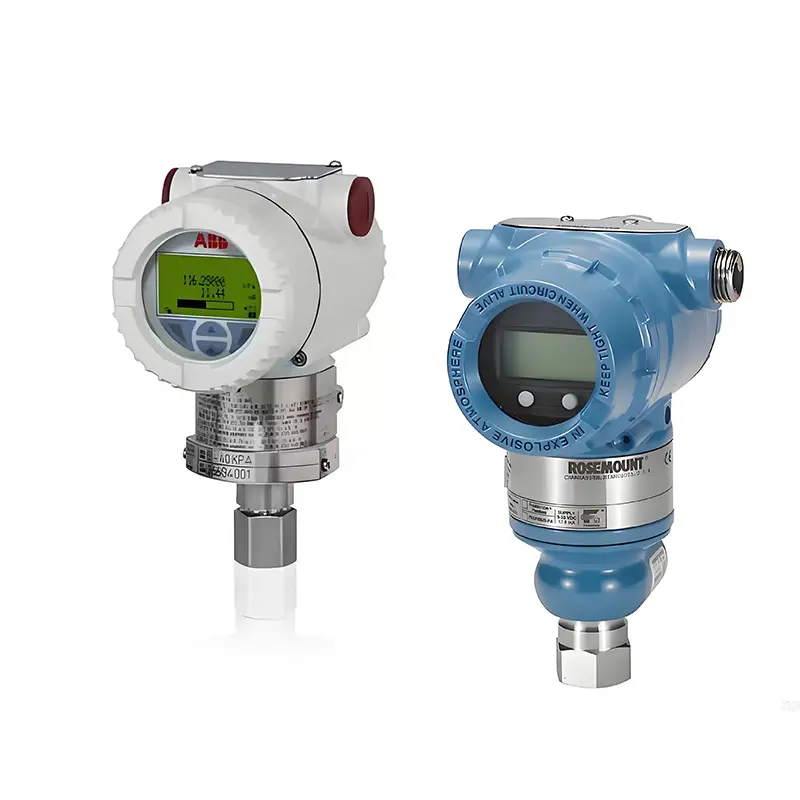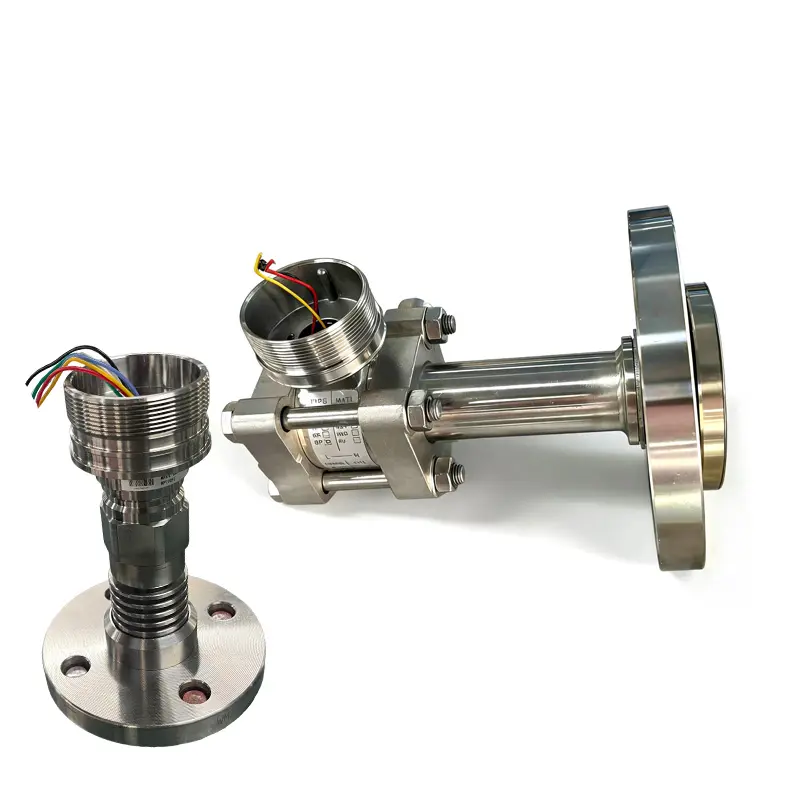
OEM pressure transmitter customization is useful when buyers need private label supply, repeated configurations, or brand-specific product presentation. It is common for distributors, local instrument brands, system integrators, and equipment manufacturers. OEM service is not only about printing a logo. A good OEM transmitter should match both the customer’s brand and the real application.
Logo and Nameplate Customization
Logo and nameplate customization are the most common OEM requirements. A pressure transmitter nameplate can include technical and branding information.
Common nameplate items include:
- Customer logo
- Private model number
- Measuring range
- Output signal
- Power supply
- Process connection
- Serial number
- Explosion-proof marking, if required
The key point is accuracy. The information printed on the nameplate must match the actual transmitter. Range, output, material, and certification marking should not be changed only for appearance.
Private Model Code
Many OEM buyers need their own model coding system. This is useful for distributors and local brands because it makes repeat orders easier and reduces communication mistakes.
A private model code can include:
- Pressure range
- Output signal
- Process connection
- Diaphragm material
- Housing type
- Display option
- Explosion-proof requirement
For long-term OEM cooperation, a stable model code system is more useful than changing the model number for every order.
Technical Configuration
OEM customization can also include technical configuration. Different OEM customers may need different product directions. An equipment manufacturer may prefer compact pressure transmitters for machine installation. A distributor may prefer 2088-style industrial pressure transmitters for field applications
.
Common technical customization options include:
- Measuring range
- Pressure type
- Output signal
- Accuracy
- Process connection
- Wetted material
- Housing and cable entry
- Display
- Explosion-proof version
The OEM solution should match the customer’s market and application, not only the customer’s logo.
Process Connection and Material
Process connection and wetted material are important for OEM products because they directly affect performance. Some markets prefer G thread, while others commonly use NPT or M thread. Some projects require flange connection, flush diaphragm, or diaphragm seal structures.
Wetted material must match the application. For clean water, air, and oil, 316L stainless steel is often suitable. For corrosive media, special diaphragm materials or PTFE-lined structures may be required. Reducing material quality only to lower cost can damage the customer’s brand if the transmitter fails in service.
Packaging, Labels, and Documents
OEM packaging can include neutral packaging, customer brand labels, carton labels, barcode labels, model code labels, and batch number labels. Good packaging should protect the housing, display, process connection, and cable entry during transport.
Documents can also be customized in many cases, such as:
- User manual
- Certificate of conformity
- Calibration certificate
- Test report
- Packing documents
- Product label information
For normal orders, standard documents are usually enough. For project orders, the document format may need to match client or tender requirements.
What Should Not Be Customized Blindly
Not every request should be accepted without checking. OEM customization should support the brand, not create technical risk.
Some points should not be changed only for appearance or cost:
- Do not print a range or accuracy that does not match calibration.
- Do not use explosion-proof marking without proper certification.
- Do not choose unsuitable material for corrosive media.
- Do not simplify the process connection if it affects installation.
- Do not reduce packaging protection for international transport.
Conclusion
OEM pressure transmitter customization can include logo, nameplate, private model code, technical configuration, packaging, labels, and documents. The most important point is still product suitability. SIY Electric supports OEM pressure transmitter supply for distributors, equipment manufacturers, and industrial instrument companies. Buyers can send their application, target market, logo requirement, and preferred configurations for checking.