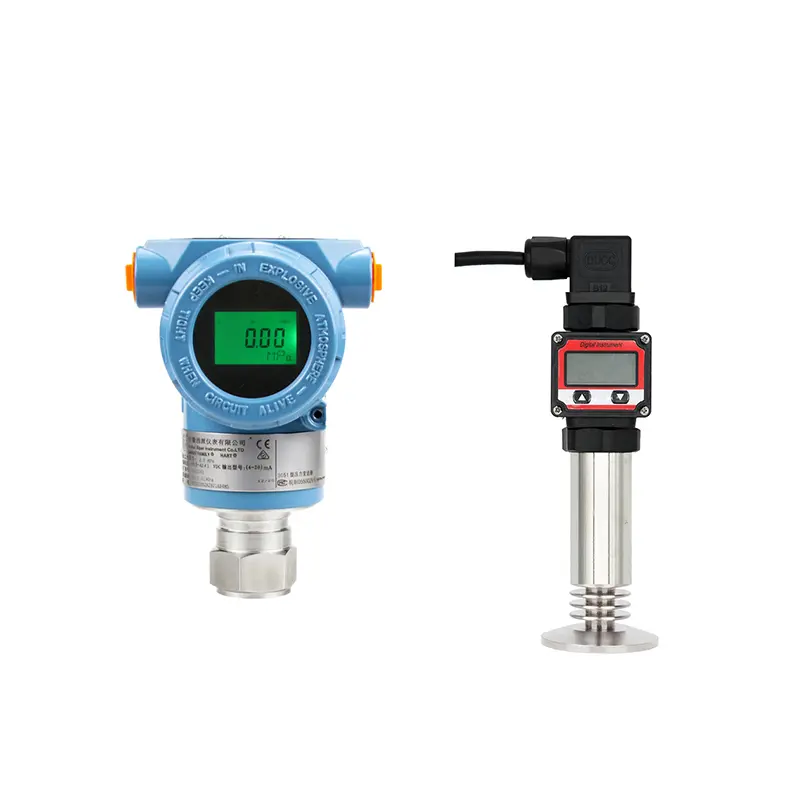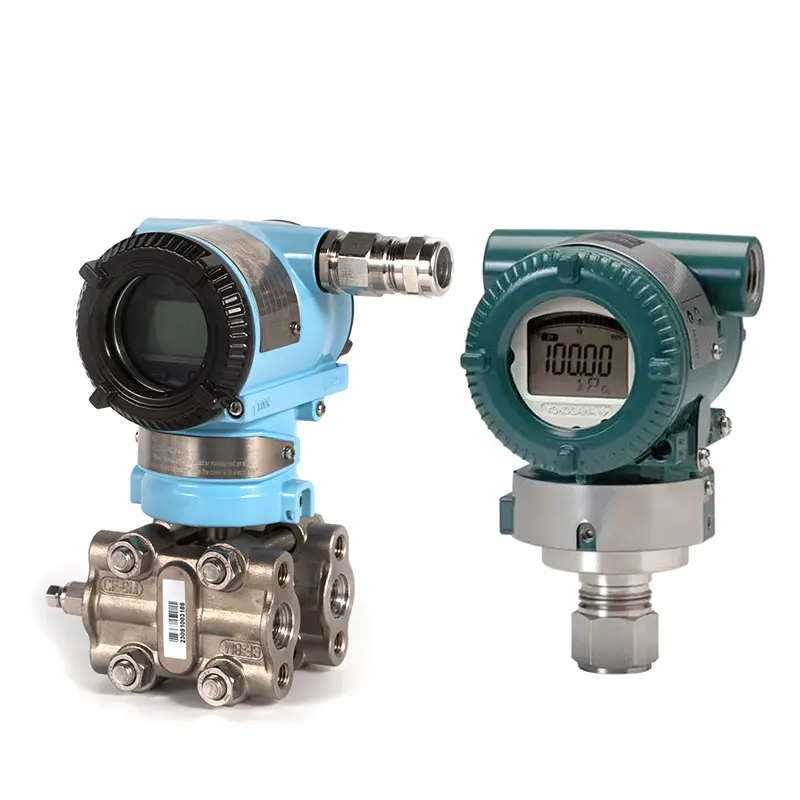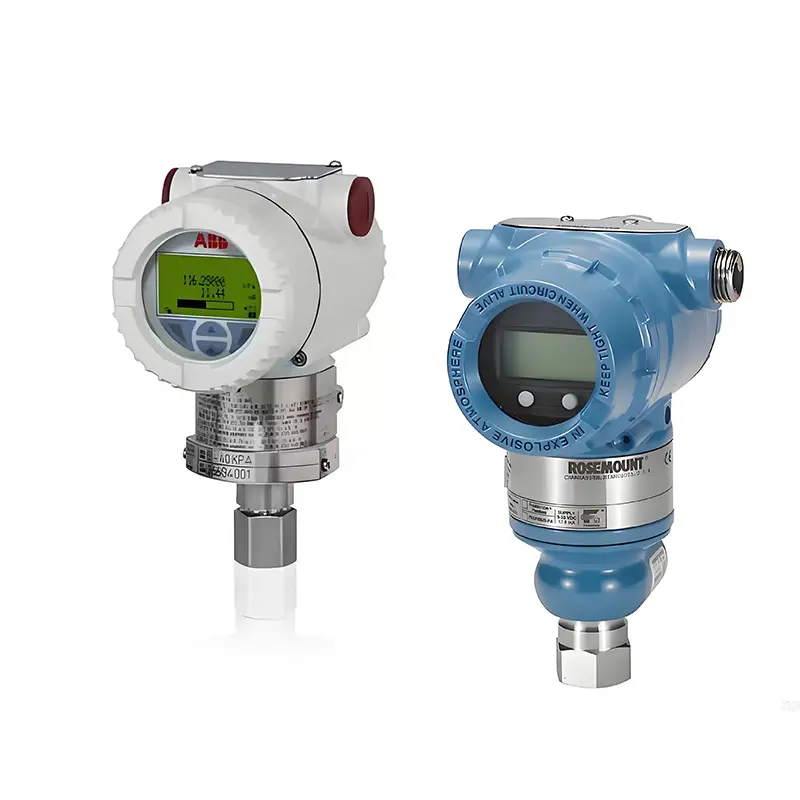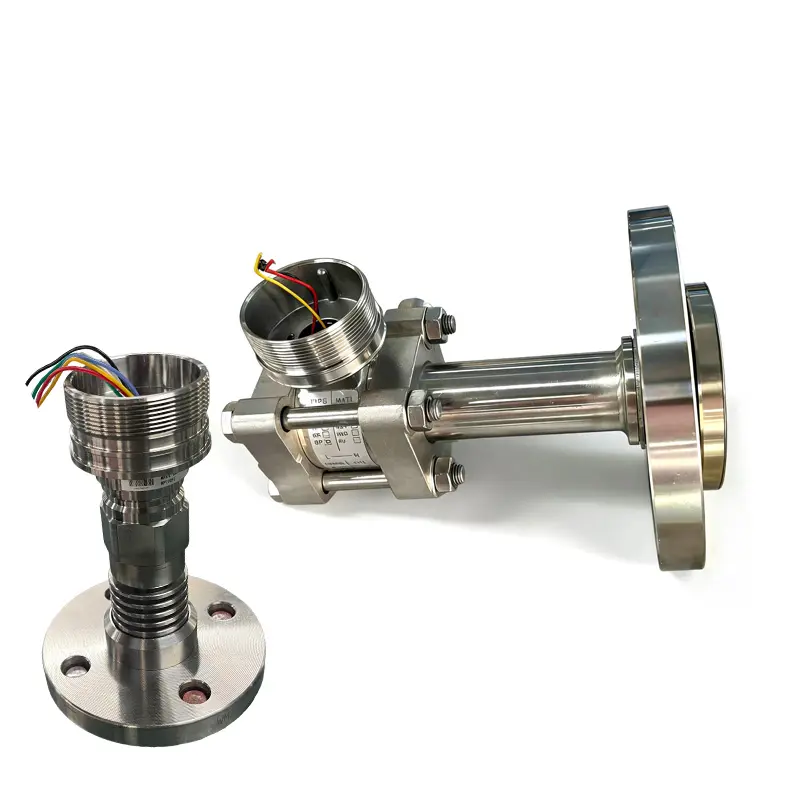
Outdoor field instruments are often installed in locations where they must face sunlight, rain, dust, wind and temperature changes every day. In these conditions, a simple protective accessory can make instrument installation more reliable and easier to maintain. One common solution is the instrument sunshade.
An instrument sunshade is not a complicated product, but it is useful in many industrial sites. It helps protect field instruments from direct sunlight and rain while keeping them visible, accessible and easy to inspect.
What Is an Instrument Sunshade?
An instrument sunshade is a protective cover installed above or around an outdoor field instrument. It is usually made from folded stainless steel sheet and designed according to the size and mounting method of the instrument.
Its main function is to provide:
- Sun protection
- Rain protection
- Dust shielding
- Basic mechanical protection
- Better field installation appearance
Unlike a fully enclosed instrument protection box, a sunshade does not completely seal the instrument. It is usually an open or semi-open structure. This allows the instrument to remain easy to read, wire, inspect and maintain.
For many outdoor instruments, this type of protection is more practical than a full enclosure. It provides basic weather protection without making the installation too complex.
Why Are Instrument Sunshades Used in Outdoor Sites?
Field instruments are often installed on pipelines, tank tops, pipe racks, outdoor platforms, water treatment systems, chemical process units and gas detection points. These locations may be exposed to strong sunlight, rainwater, dust, splashing liquid and changing temperatures.
Over time, these conditions may cause practical problems such as:
- Display reflection under sunlight
- Higher surface temperature of the instrument housing
- Aging of nameplates and housing coatings
- Aging of plastic parts and sealing rings
- Rainwater washing cable entries or enclosure joints
- Dust and debris accumulation around the instrument
- Increased inspection and maintenance difficulty
In some severe outdoor applications, water entering the instrument head or enclosure may even cause instrument damage or failure.
An instrument sunshade cannot replace the original enclosure protection of the instrument, but it adds an external protective layer. This can help reduce direct environmental impact and improve long-term field reliability.
For customized stainless steel sunshades, you can click here to get a quick quote.
What Instruments Can Use a Sunshade?
Instrument sunshades are not only used for pressure transmitters. Many outdoor industrial instruments can use sunshade covers when they are exposed to sunlight and rain.
Common applicable instruments include:
- Pressure transmitters
- Differential pressure transmitters
- Level transmitters
- Temperature transmitters
- Radar level meters
- Vortex flow meters
- Other flow instruments
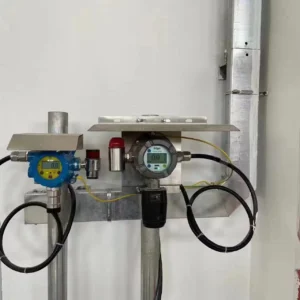
- Gas detectors
- Gas alarm instruments
- Local display instruments
- Junction boxes
- Small field control boxes
For pressure transmitters, the sunshade usually protects the transmitter head, display, cable entry and nameplate.
For radar level meters, the sunshade should be designed carefully so that it does not block the antenna area or affect signal transmission.
For gas detectors, the sunshade must not block the gas diffusion path, sensor inlet, alarm indicator or calibration interface.
For flow instruments and temperature instruments, the design should consider the display direction, wiring space and installation structure.