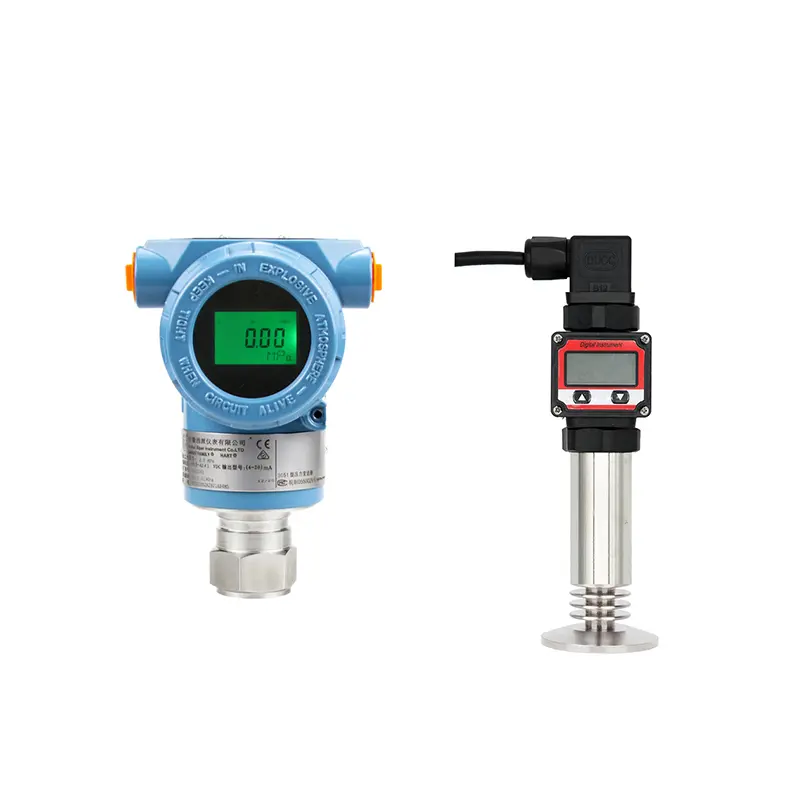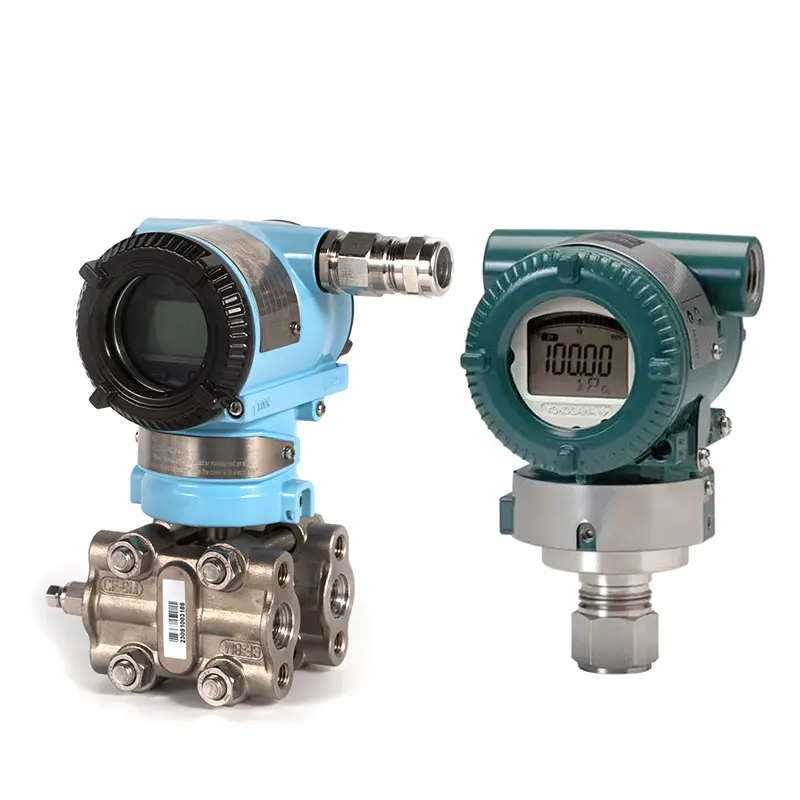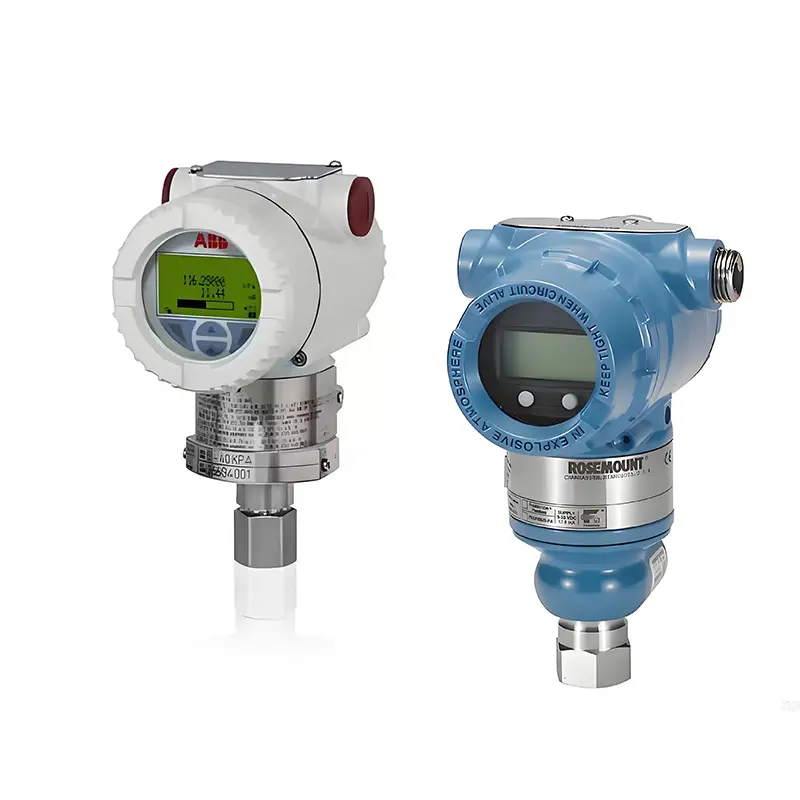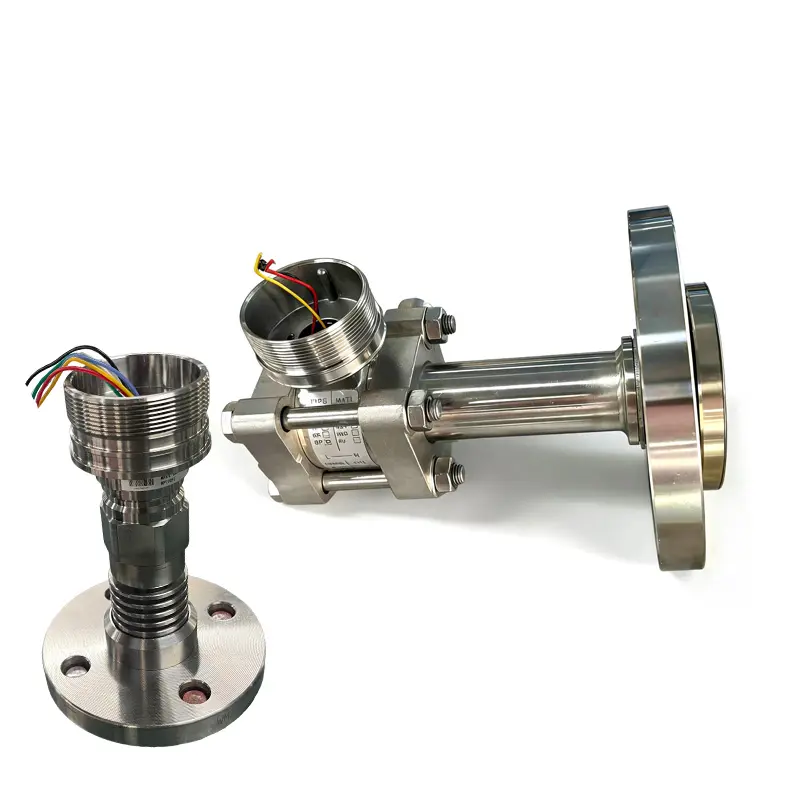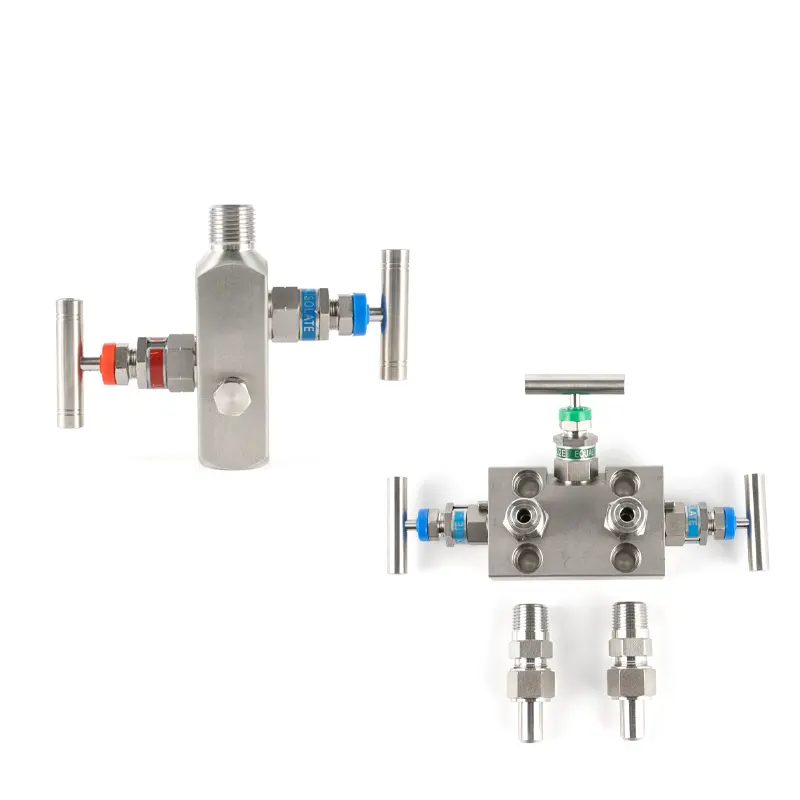
Installing a pressure transmitter on a steam line requires heat protection, correct connection, safe isolation, and proper condensate handling. Steam pressure measurement is different from normal water or air pressure measurement because high temperature can damage the transmitter if it is installed directly without protection.
The transmitter may have the correct pressure range, but the installation can still be wrong if the process heat is not controlled.
Why Direct Installation Is Risky
Steam transfers heat quickly through metal connections. If a pressure transmitter is mounted directly on a steam pipe, heat may reach the sensor, electronics, display, and sealing parts. This can cause drift, short service life, or sudden failure.
A steam line installation should usually include a protection method between the process and transmitter.
Common Steam Installation Methods
The exact method depends on steam temperature, pressure, installation space, and site practice. The common goal is to reduce heat reaching the transmitter body.
Common protection options include:
- Siphon tube
A common accessory for steam pressure measurement. Condensate inside the siphon helps protect the transmitter from direct steam temperature. - Impulse line
Moves the transmitter away from the hottest point and gives steam time to condense. - Cooling element
Reduces heat transfer in compact installations. - Condensate pot or condenser structure
Used in some steam and DP applications where stable condensate legs are needed. - Diaphragm seal or capillary seal
Used when the temperature, medium, or installation condition is more difficult.
Isolation and Maintenance
Steam service can be dangerous, so isolation valves and safe maintenance access are important. The transmitter should be installed where operators can isolate, cool, and remove it safely.
The installation should also consider venting, drainage, pressure rating, and whether the siphon or impulse line can remain filled correctly.
What Buyers Should Confirm
Before selecting the transmitter and accessories, buyers should provide steam temperature, pressure range, process connection, installation position, whether a siphon tube is needed, and whether the area has explosion-proof requirements.
Without temperature information, the supplier cannot judge whether a standard transmitter with siphon tube is enough or whether a diaphragm seal or remote structure is needed.
Conclusion
To install a pressure transmitter on a steam line, do not mount it directly without heat protection. Check steam temperature, pressure, connection, siphon tube, isolation valve, cooling method, and maintenance safety before installation.
SIY Electric can help select pressure transmitters and steam installation accessories such as siphon tubes, cooling elements, valves, and diaphragm seal solutions.