PTFE lining for diaphragm seal pressure transmitters is used when the process medium is corrosive and metal wetted parts need chemical isolation. It is common in chemical liquids, acid and alkali applications, wastewater, and other aggressive media where 316L or normal metal materials may not be suitable.
PTFE lining is not only a material choice. It changes the wetted structure of the diaphragm seal system. The lining, diaphragm, flange, gasket, temperature, and pressure conditions should be checked together.
When PTFE Lining Is Useful
PTFE lining is often considered when the medium may corrode the flange face or other exposed metal wetted parts. In some applications, using only a special diaphragm material is not enough because the flange or connection may also contact the process.
PTFE lining may be useful for:
- Acidic liquids
- Alkaline liquids
- Mixed chemical wastewater
- Corrosive process liquids
- Applications where metal wetted parts need isolation
However, the exact suitability still depends on temperature, concentration, pressure, and mechanical conditions.
PTFE Lining vs Alloy Material
Some applications can use alloy materials such as Hastelloy or tantalum. Other applications may be more practical with PTFE-lined structures. The choice depends on the medium and which wetted parts need protection.
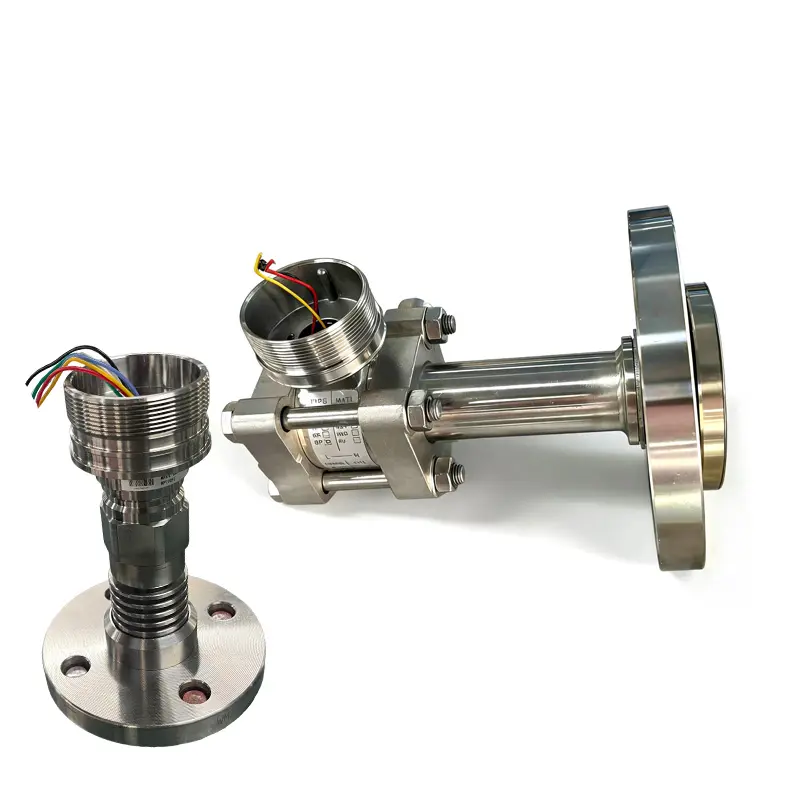
PTFE lining can protect a larger contact surface, while special alloy diaphragms mainly protect the sensing diaphragm. For flanged diaphragm seal transmitters, this difference can be important.
Limits of PTFE Lining
PTFE has strong chemical resistance, but it also has limits. High temperature, high vacuum, mechanical wear, high pressure, and improper installation can affect performance. If the medium contains abrasive solids, the lining may face mechanical wear risk.
Buyers should not choose PTFE lining only because the medium is corrosive. The full process condition still needs checking.
What Buyers Should Provide
Before selecting PTFE lining, buyers should provide the medium name, concentration, temperature, pressure, flange size, sealing face, whether vacuum exists, and whether the medium contains solids. This helps the supplier judge whether PTFE lining is suitable or whether another material structure is safer.
Conclusion
PTFE lining for diaphragm seal pressure transmitters is useful when corrosive media may attack metal wetted parts. It should be selected by checking chemical compatibility, temperature, pressure, vacuum, flange structure, gasket, and mechanical wear risk.
SIY Electric can help compare PTFE lining, alloy diaphragm materials, and other anti-corrosion structures for diaphragm seal pressure transmitters.