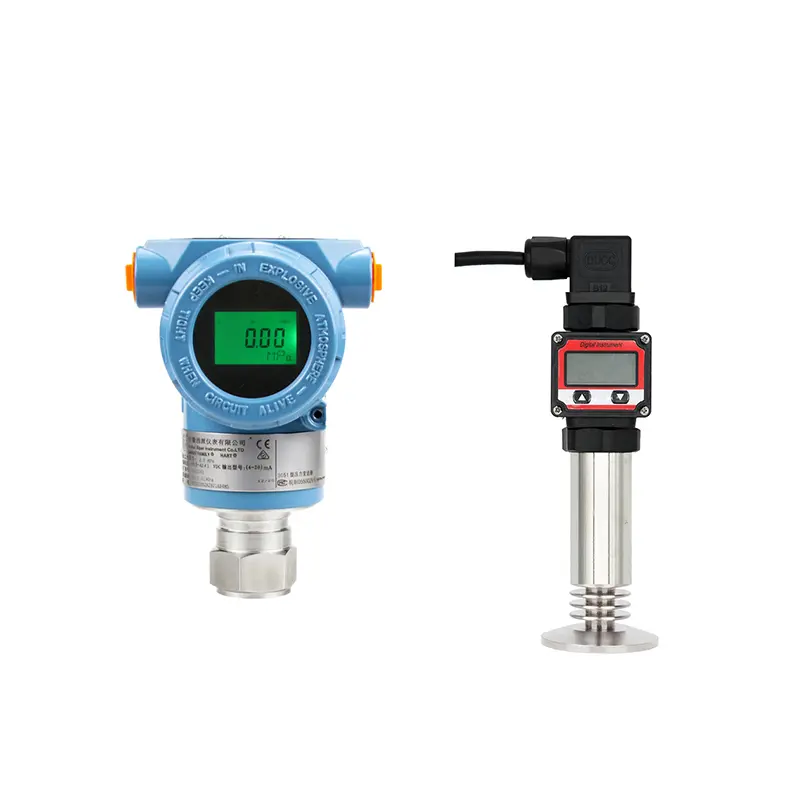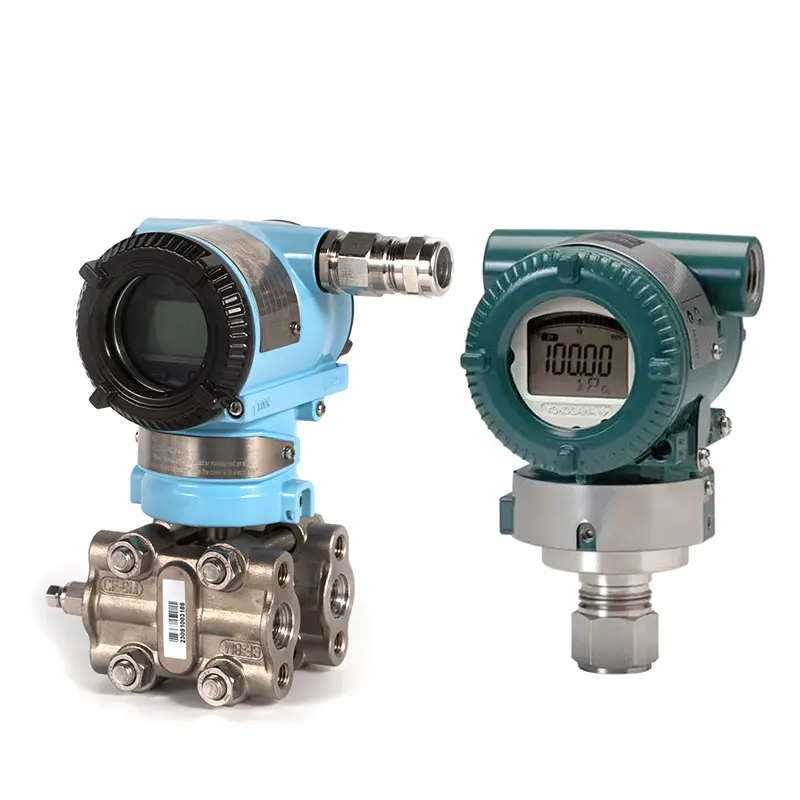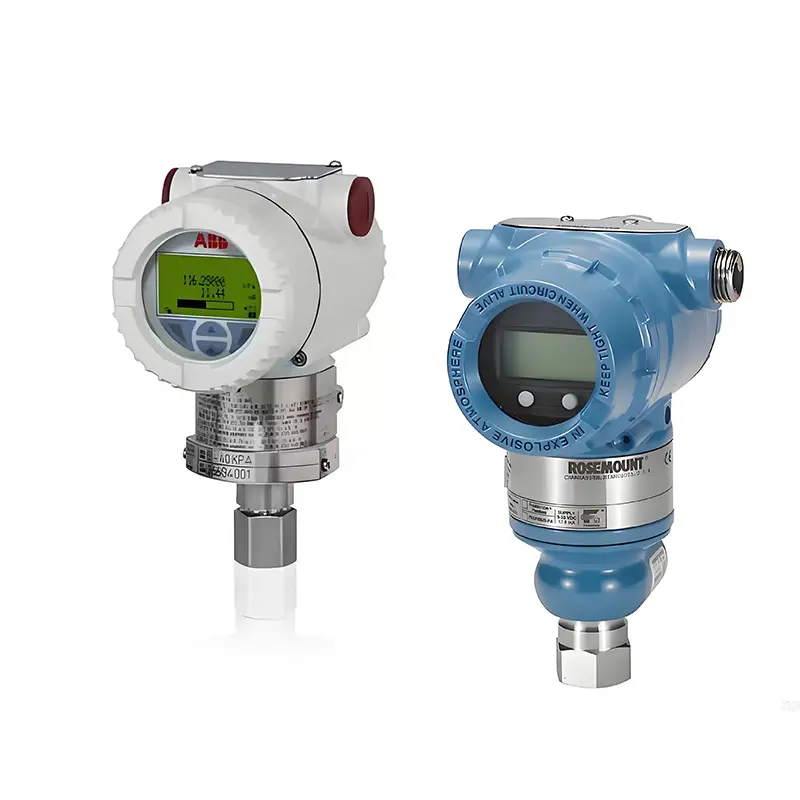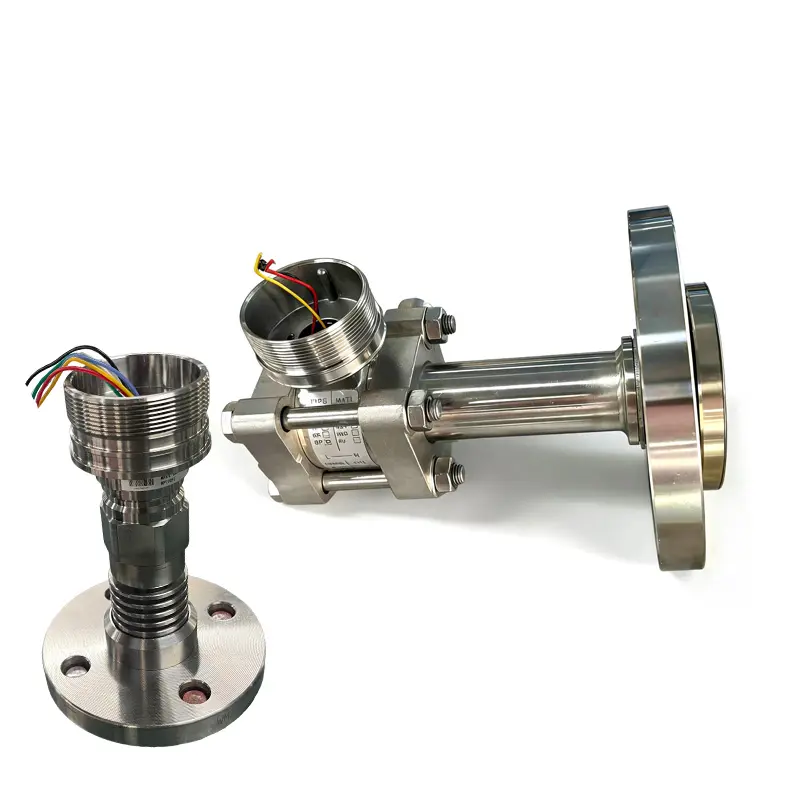
A diaphragm seal pressure transmitter is needed when a standard pressure transmitter cannot safely contact the process medium. For clean water, air, and normal oil applications, a standard threaded pressure transmitter is often enough. But for corrosive, viscous, dirty, crystallizing, high-temperature, or hygienic applications, a diaphragm seal structure may be the better choice.
What a Diaphragm Seal Does
A diaphragm seal isolates the process medium from the sensor. The process pressure acts on a thin diaphragm, and the pressure is transmitted to the sensor through filling fluid inside the seal system. This prevents the medium from entering the sensor directly.
A diaphragm seal is mainly used to solve these problems:
- Corrosion
- Blockage
- High temperature
- Hygiene requirements
- Difficult or unsafe direct contact with the medium
It is not used simply to make the transmitter look more advanced. It should be selected when the process really requires isolation.
Corrosive Media
Corrosive media are one of the most common reasons to use a diaphragm seal pressure transmitter. Acids, alkalis, chemical liquids, wastewater, and special process fluids may damage standard wetted parts.
With a diaphragm seal, the supplier can choose a suitable diaphragm material or lining structure. Options may include Hastelloy, tantalum, Monel, titanium, PTFE lining, or other anti-corrosion materials.
For corrosive service, check more than the diaphragm:
- Flange material
- Process connection
- Seal ring
- Lining structure
- Diaphragm material
If only the diaphragm is suitable but other wetted parts are not, the transmitter may still fail.
Viscous, Dirty, or Crystallizing Media
A standard pressure transmitter usually has a small pressure port. This works well for clean liquids and gases, but it may not work well for sticky, dirty, or crystallizing media.
If the pressure port is blocked, the transmitter may respond slowly or give wrong readings. A flush diaphragm or diaphragm seal structure reduces the risk of blockage and may make cleaning easier.
This structure is useful for:
- Slurry
- Sticky liquid
- Crystallizing solution
- Media containing suspended solids
High-Temperature Applications
High temperature is another reason to consider a diaphragm seal. Directly mounting a pressure transmitter on high-temperature steam, hot oil, or thermal fluid may damage the sensor or electronics.
A diaphragm seal can help isolate the transmitter from process heat. In some applications, a capillary diaphragm seal allows the transmitter body to be installed away from the hot process connection. The filling fluid and seal structure must match the temperature range, otherwise measurement stability may be affected.
Hygienic and Level Applications
In food, beverage, pharmaceutical, and sanitary processes, the pressure connection should avoid dead spaces and be easy to clean. A sanitary diaphragm seal pressure transmitter usually uses a flush diaphragm and Tri-Clamp connection.
Diaphragm seal pressure transmitters are also used in tank level measurement. For open tanks, a single flange pressure transmitter may be used in some applications. For closed tanks, differential pressure transmitters with diaphragm seals are often used to compensate for top pressure.
In these applications, flange size, capillary length, filling fluid, installation height, and medium density should be checked carefully.
When a Standard Transmitter Is Enough
A diaphragm seal is useful, but it is not always necessary. For clean water, air, non-corrosive oil, and normal-temperature clean liquids, a standard threaded pressure transmitter is usually more economical and easier to maintain.
A diaphragm seal adds cost and may affect response time or temperature performance. It should be used when the process really requires isolation, anti-corrosion protection, blockage prevention, high-temperature protection, hygienic design, or special level measurement.
Conclusion
You need a diaphragm seal pressure transmitter when the process medium is not suitable for direct contact with a standard pressure transmitter. Common reasons include corrosion, viscosity, crystallization, blockage risk, high temperature, hygienic requirements, or tank level measurement.
SIY Electric supplies diaphragm seal pressure transmitters for chemical, wastewater, steam, food, pharmaceutical, and tank level applications. Buyers can send the medium, temperature, pressure, and process connection for checking before selection.