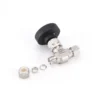
pressure transmitter shop
Stainless Steel Syphon
shop

pressure transmitter shop
Stainless Steel Syphon
shop
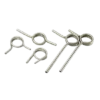
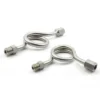
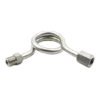
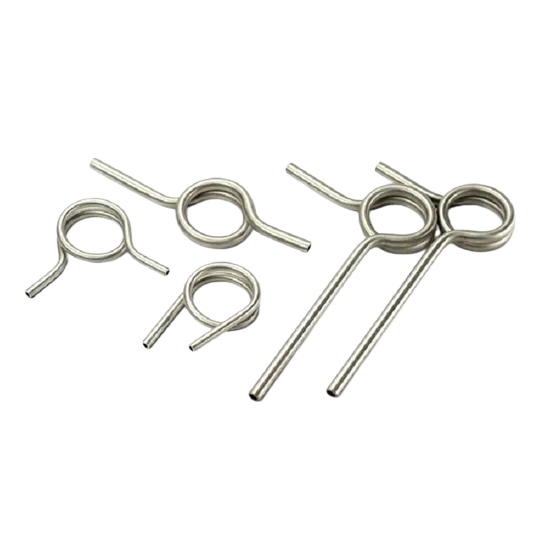
The Stainless Steel Syphon is a protective accessory used with pressure gauges, pressure transmitters, and pressure switches in steam, hot water, thermal oil, and other high-temperature pressure measurement applications. It helps reduce the temperature reaching the instrument and provides a buffer against minor pressure pulsation or pressure shock.
Also known as a gauge syphon, pressure gauge syphon, pigtail syphon, coil syphon, steam syphon, or instrument syphon, it is commonly installed between the process connection and the pressure instrument to improve measurement reliability and extend instrument service life.
The SIYelectric Stainless Steel Syphon is an instrument protection accessory installed between a process pipeline and a pressure measuring instrument. It is mainly used to protect pressure gauges, pressure transmitters, pressure switches, gauge valves, and needle valves from direct exposure to high-temperature media.
In steam or hot liquid applications, the syphon creates a cooling section before the medium reaches the instrument. For steam pressure measurement, condensate can form inside the syphon and act as a protective barrier, preventing live steam from directly entering the pressure gauge or transmitter connection.
This product is widely used in boiler systems, steam pipelines, hot water systems, thermal oil systems, HVAC heating lines, power plants, chemical plants, food and beverage utilities, and general industrial pressure measurement points.
A stainless steel syphon is normally made from a bent stainless steel tube with threaded connections at both ends. According to the shape and installation requirement, it may also be called a pressure gauge syphon, pigtail syphon, coil syphon, U type syphon, steam syphon, or pressure gauge cooling coil.
Its main purpose is to create distance and internal volume between the hot process medium and the pressure instrument. This helps reduce the process temperature transferred to the instrument and protects the sensing element, bourdon tube, diaphragm, sealing parts, or transmitter module.
For pressure transmitters, a syphon is often used when the process temperature is higher than the transmitter can directly withstand, but the application does not require a diaphragm seal or remote capillary seal. It is a simple and economical solution for many standard steam and hot liquid pressure measurement points.
A typical installation arrangement is:
Process Connection → Stainless Steel Syphon → Gauge Valve / Needle Valve → Pressure Gauge or Pressure Transmitter
For safer maintenance, a valve is often installed between the syphon and the instrument so the operator can isolate, vent, calibrate, or replace the pressure instrument more conveniently.
This product may be referred to by different names in different markets:
| Common Name | Typical Meaning |
|---|---|
| Stainless Steel Syphon | General product name |
| Gauge Syphon | Common name for pressure gauge protection |
| Pressure Gauge Syphon | Used mainly with pressure gauges |
| Pigtail Syphon | Coil-shaped syphon, similar to the product shown |
| Coil Syphon | Emphasizes the circular coil structure |
| Steam Syphon | Used for steam pressure measurement |
| Instrument Syphon | Used with gauges, transmitters, and pressure switches |
| Pressure Gauge Cooling Coil | Functional description for cooling protection |
For the website product title, Stainless Steel Syphon is suitable. In the content, these alternative names can be included naturally for SEO coverage.
The syphon helps reduce the temperature transferred from the process line to the pressure instrument. This is especially important in steam, hot water, thermal oil, and high-temperature liquid systems.
For pressure transmitters, excessive temperature may damage the sensor, diaphragm, O-rings, electronic components, or filling oil. A stainless steel syphon helps create a cooling buffer before the medium reaches the transmitter.
In steam applications, condensate can remain inside the syphon. This condensate layer prevents live steam from directly contacting the pressure gauge or pressure transmitter, helping protect the instrument from high temperature.
The bent or coiled tube structure can help absorb part of the pressure impact before it reaches the instrument. It is useful for reducing minor pulsation, vibration, and pressure shock.
For severe pulsation from pumps, compressors, or water hammer, a dedicated pressure snubber or pulsation dampener may still be required.
The syphon protects pressure instruments from direct process impact, high temperature, and sudden pressure changes. It can help improve measurement stability and extend the service life of the instrument.
Different syphon shapes and connection types allow flexible installation in pipelines, boiler systems, panels, and local pressure measurement points.
The pigtail syphon has a circular coil shape. It is one of the most common types used for steam pressure measurement. The coil provides cooling length and space for condensate formation.
The U type syphon has a simple U-shaped tube structure. It is suitable for installations where the pressure instrument needs a compact cooling section but the coil type is not convenient.
The coil syphon provides a longer cooling path in a compact form. It is suitable for pressure gauges and pressure transmitters installed on steam or hot fluid lines.
Custom designs can be supplied according to site requirements, including tube size, coil diameter, thread type, length, material, pressure rating, and installation direction.
| Item | Specification |
|---|---|
| Product Name | Stainless Steel Syphon |
| Brand | SIYelectric |
| Also Called | Gauge Syphon, Pressure Gauge Syphon, Pigtail Syphon, Coil Syphon, Steam Syphon, Instrument Syphon |
| Material Options | SS304, SS316, SS316L, or Customized |
| Structure Options | Pigtail Type, U Type, Coil Type, Customized |
| Connection Type | Male Thread, Female Thread, Welded Connection, or Customized |
| Thread Options | NPT, BSP, G, M Thread, or Customized |
| Suitable Instruments | Pressure Gauge, Pressure Transmitter, Pressure Switch |
| Main Functions | Cooling, Condensate Protection, Minor Pulsation Damping, Instrument Protection |
| Typical Media | Steam, Hot Water, Thermal Oil, Hot Liquids, Compatible Gases |
| Typical Applications | Boiler Systems, Steam Lines, Hot Water Systems, Thermal Oil Systems, Pressure Measurement Points |
The stainless steel syphon is commonly used with pressure transmitters in steam, hot water, and thermal oil pressure measurement. It helps reduce the process temperature reaching the transmitter and protects the sensing element from direct high-temperature exposure.
Typical use:
Steam Line → Syphon → Needle Valve → Pressure Transmitter
This arrangement is often used when a standard threaded pressure transmitter is selected for a hot process line.
The syphon is widely used before pressure gauges in steam lines, boiler systems, and high-temperature pipelines. It protects the gauge bourdon tube from direct steam temperature and helps improve gauge service life.
Used before pressure switches in hot process lines or pressure control systems to reduce thermal shock and protect the switching element.
Applied in boiler pressure monitoring, steam headers, steam distribution lines, condensate systems, and heat exchanger pressure measurement points.
Suitable for hot oil pipelines, heating systems, hot water circulation systems, and high-temperature liquid process lines.
Used in chemical plants, power plants, food and beverage utilities, pharmaceutical utilities, HVAC heating systems, and general industrial pressure measurement applications.
When selecting a stainless steel syphon, confirm the following details:
Request Your Custom Solution & Factory Price
*We respect your privacy. Your information is used for technical quotation purposes only and will never be shared.
We use cookies to improve your experience and analyze site traffic. Choose which cookies you allow.
Required for the website to function. Cannot be disabled.
Help us understand how visitors interact with the website.
Used to deliver relevant advertisements and track campaigns.
No marketing cookies are used on this site.
Remember your settings and preferences for a better experience.
No preference cookies are used on this site.