pressure transmitter shop
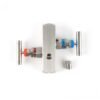
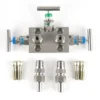
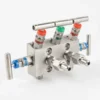
Tee-Type Male Tube Fitting with Dual Ferrules
shop

pressure transmitter shop
Tee-Type Male Tube Fitting with Dual Ferrules
shop
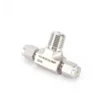
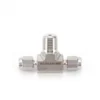
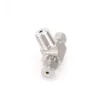
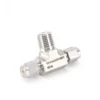
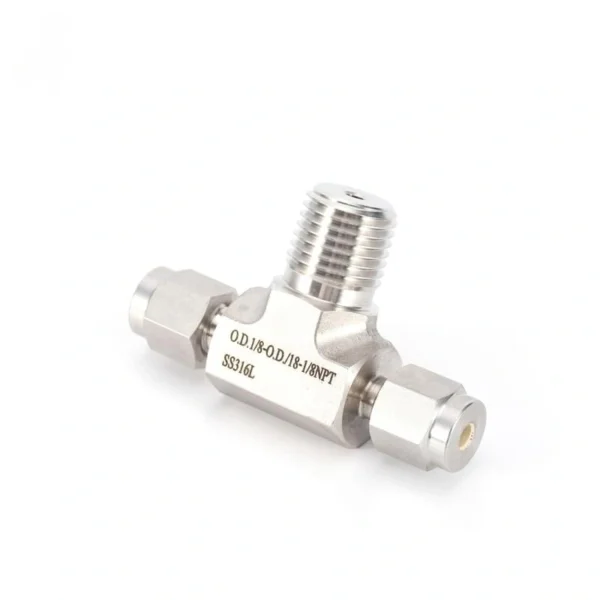
Material: Stainless steel, Alloy, etc.
Connection Type: Ferrule And Thread
Working pressure: 6000psi (414bar)
Silver Coating for Nut
Rear Ferrule Harden Process Involved
SIYelectric Tee-Type Male Tube Fitting is designed to connect three lines in instrumentation tubing, fluid systems, gas systems, hydraulic systems, pneumatic systems, and process control assemblies.
This fitting usually has compression tube fitting connections on two inline ends and a male threaded branch connection in the middle. The inline tube ends are used to connect tubing, while the male threaded branch can be connected to a female-threaded valve, instrument, manifold, pipe fitting, or equipment port.
It is commonly used where a system needs flow branching, flow convergence, sampling, pressure measurement, testing, or instrument connection in a compact layout.
The tee-type structure creates a three-way connection point:
| Connection Position | Function |
|---|---|
| Inline tube fitting ends | Connect two tube lines in the main flow path |
| Male threaded branch | Connects to a female-threaded instrument, valve, manifold, or equipment port |
| Tee body | Allows flow distribution, convergence, or branch-line connection |
This design helps reduce the need for multiple separate fittings and makes the system easier to assemble in panels, skids, and limited installation spaces.
This tee-type male tube fitting can be used with:
For pressure measurement systems, the male branch can be used to connect a pressure gauge, pressure transmitter, gauge valve, manifold, calibration port, or test connection to the main tubing line.
Used when a tubing line needs an additional branch for pressure measurement or instrument connection.
Typical examples include:
Suitable for pressure transmitter and differential pressure transmitter impulse tubing where a compact tee connection is required.
It can help connect:
Used in gas sampling lines, liquid sampling systems, analyzer cabinets, and laboratory setups where the flow path needs to be split or connected to an instrument.
Common use cases include:
Applied in hydraulic power units, pneumatic control panels, actuator control circuits, and compact equipment assemblies.
The tee-type structure is useful when one control line needs to connect with another tube line and a threaded component at the same point.
Used in chemical dosing skids, filtration units, gas panels, water treatment modules, and general process assemblies where three-way tube-to-thread connection is required.
For corrosive media, high-pressure service, or high-temperature applications, material, thread type, sealing method, and pressure rating should be confirmed before selection.
| Feature | Benefit |
|---|---|
| Tee-type body | Provides a compact three-way connection |
| Two tube fitting ends | Connects inline tubing securely |
| Male threaded branch | Connects to female-threaded instruments, valves, or equipment |
| Stainless steel material option | Provides corrosion resistance and mechanical strength |
| Compact layout | Suitable for panels, skids, and limited spaces |
| Flexible use | Supports branching, convergence, sampling, testing, and instrument connection |
| Easy installation | Helps simplify assembly and maintenance |
Before selecting a tee-type male tube fitting, confirm:
Correct selection helps ensure reliable sealing, stable pressure performance, and long service life.
Request Your Custom Solution & Factory Price
*We respect your privacy. Your information is used for technical quotation purposes only and will never be shared.
We use cookies to improve your experience and analyze site traffic. Choose which cookies you allow.
Required for the website to function. Cannot be disabled.
Help us understand how visitors interact with the website.
Used to deliver relevant advertisements and track campaigns.
No marketing cookies are used on this site.
Remember your settings and preferences for a better experience.
No preference cookies are used on this site.