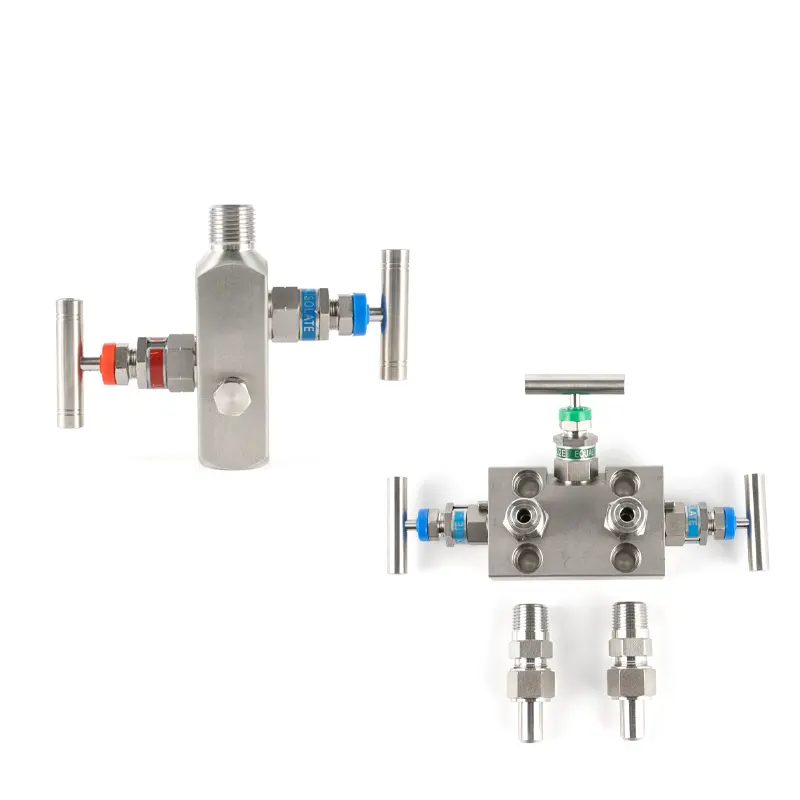
How to Install a Differential Pressure Transmitter Correctly?
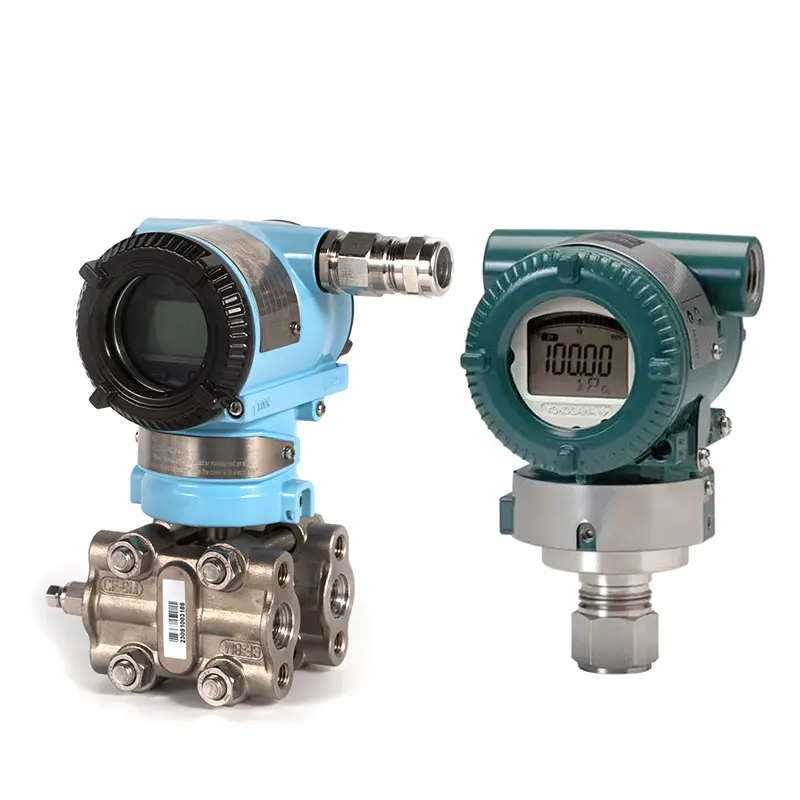
Installing a differential pressure transmitter correctly requires proper high and low pressure connections, impulse line layout, manifold operation, mounting position, and venting or draining. A DP transmitter may be selected correctly, but poor installation can still cause unstable readings, zero drift, slow response, or wrong measurement. Differential pressure transmitters are used for flow, level, filter monitoring, and pressure drop measurement. Each application has its own installation details, but the basic principle is the same: the transmitter must receive the true pressure difference between two points. High Side and Low Side Must Be Correct The high-pressure side and low-pressure side should match the process design. If they are reversed, the transmitter may show negative differential pressure or a confusing output. For filter monitoring, the high side is normally connected before the filter and the low side after the filter. For flow measurement with an orifice plate, the ta