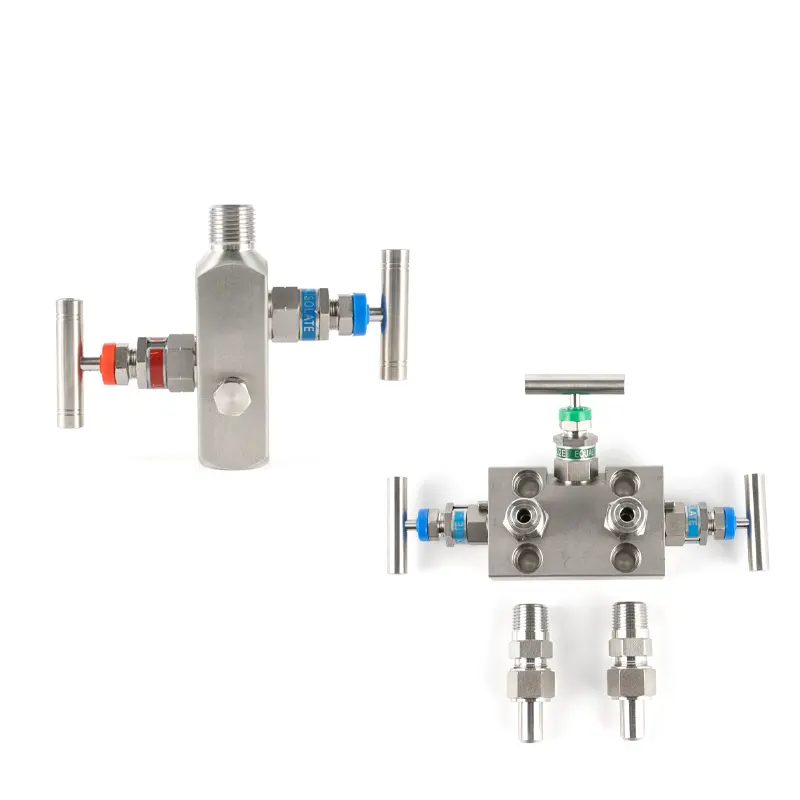
What Is a Differential Pressure Transmitter and When Is It Used?
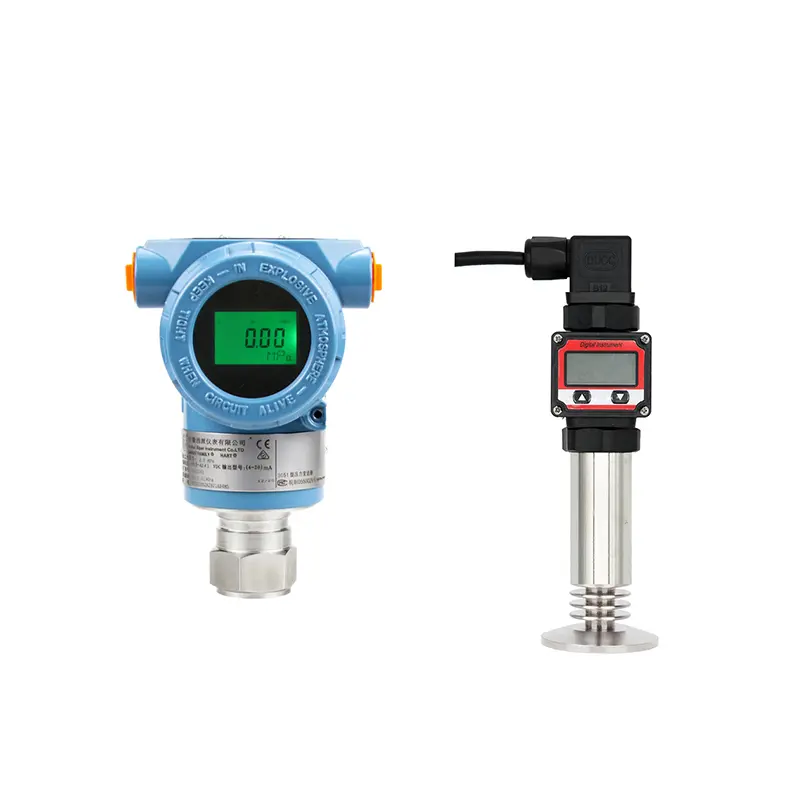
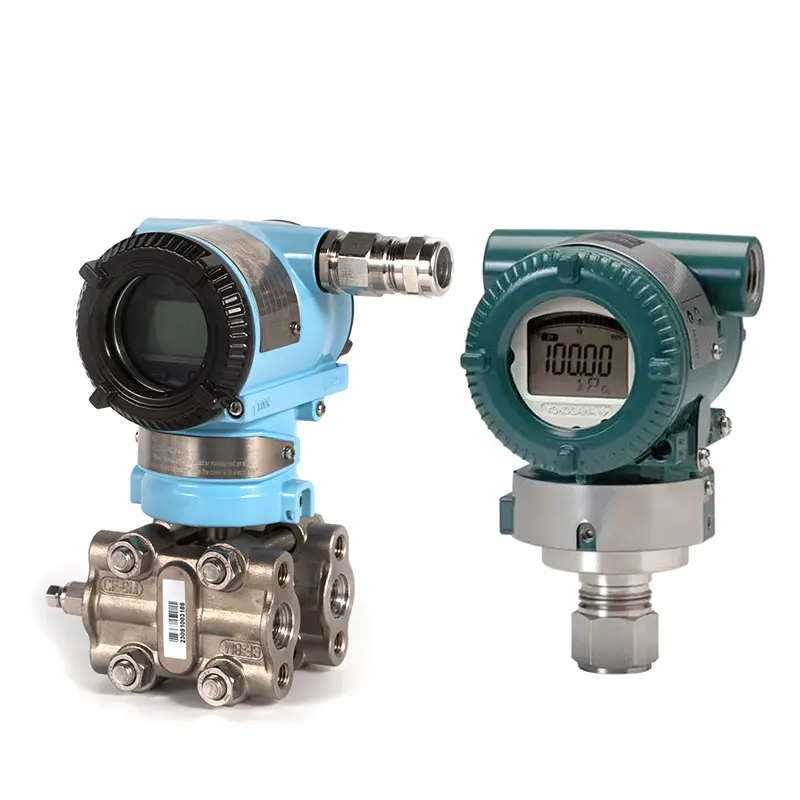
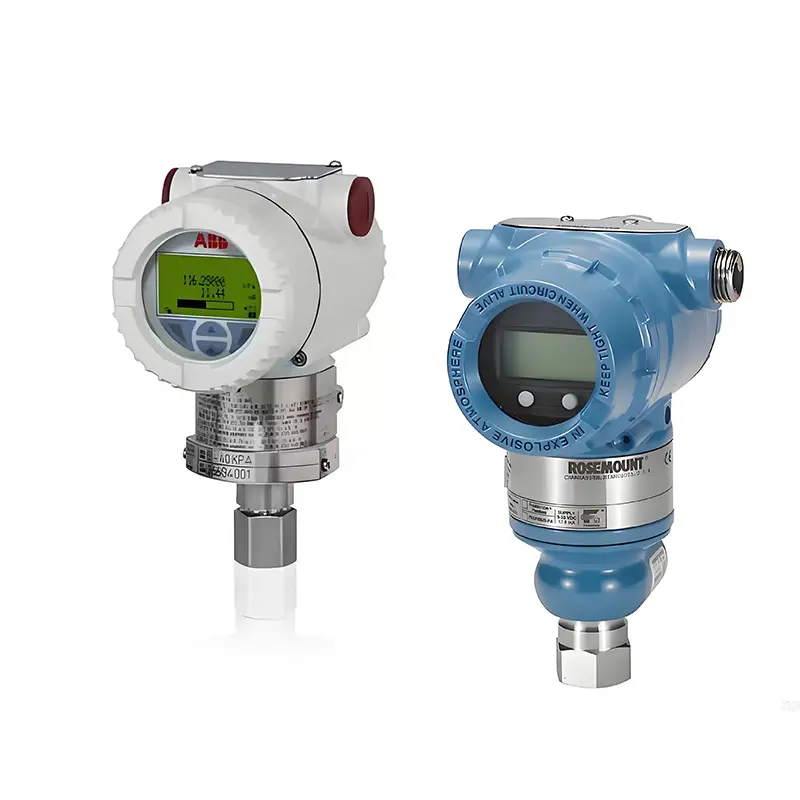
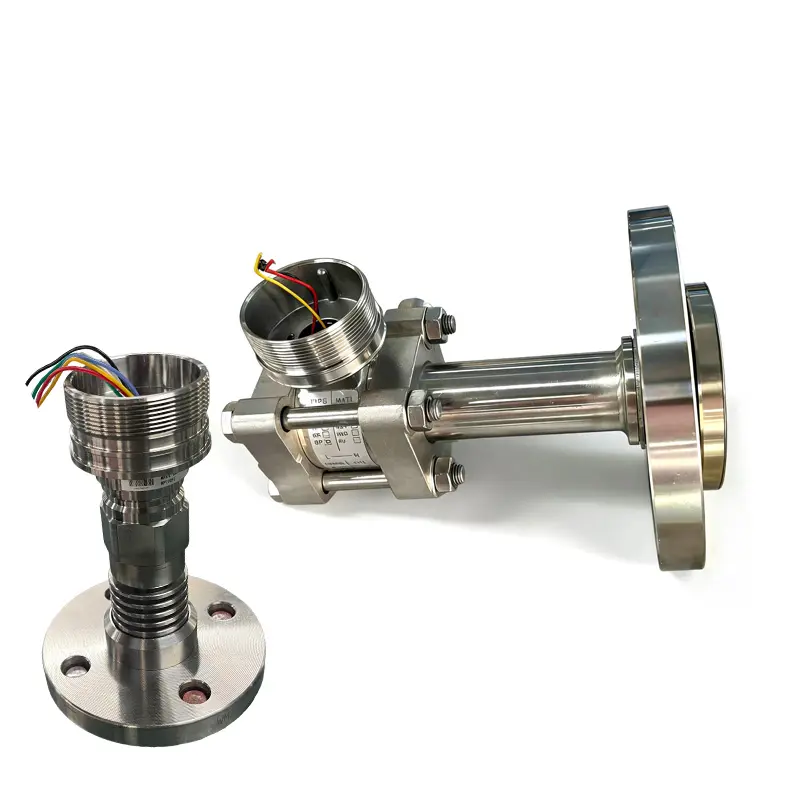
A differential pressure transmitter measures the pressure difference between two points and converts that difference into a standard output signal. It is different from a standard pressure transmitter, which usually measures pressure at one point. Differential pressure transmitters are widely used in flow measurement, level measurement, filter monitoring, pressure drop measurement, and process control. The instrument may look similar to other transmitters, but the application logic is different because it has a high-pressure side and a low-pressure side. What Does a Differential Pressure Transmitter Measure? A differential pressure transmitter measures the difference between the high-pressure side and the low-pressure side. If both sides have the same pressure, the differential pressure is zero. If one side is higher than the other, the transmitter outputs a signal proportional to that difference. The output is usually 4–20 mA, and smart models may include HART communication. The signa