blog about pressure transmitters

SIY Blog

BLOG

When Should You Use a Smart Pressure Transmitter?

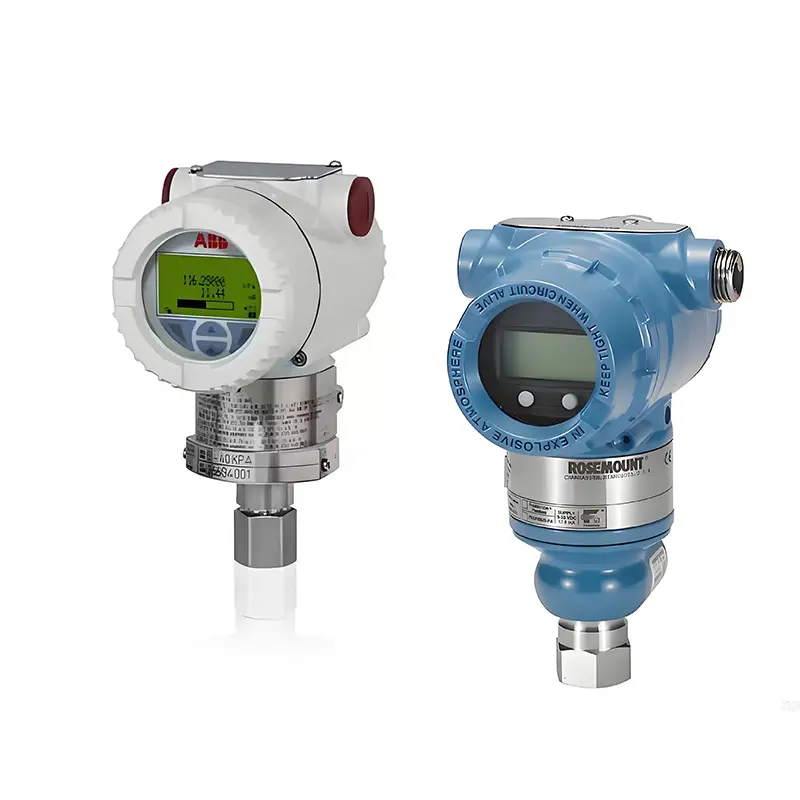
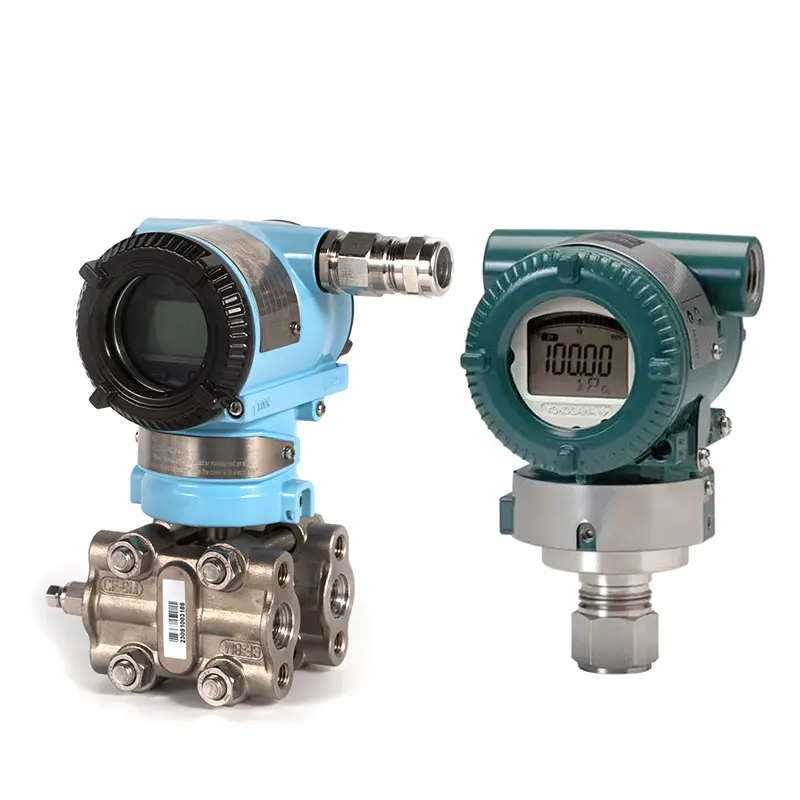
A smart pressure transmitter is useful when the application needs HART communication, local configuration, diagnostics, range adjustment, or better integration with control systems. It is more than a basic analog transmitter, but it is not necessary for every pressure point. For simple pressure monitoring, a standard 4–20 mA transmitter may be enough. A smart pressure transmitter becomes more valuable when configuration, maintenance, diagnostics, or communication matters. What Makes a Transmitter Smart? A smart pressure transmitter usually provides a standard 4–20 mA signal and digital communication such as HART. The analog signal is used for control, while the digital communication can be used for configuration, diagnostics, and device information. Smart functions may include range setting, damping adjustment, zero calibration, unit configuration, device status, and diagnostic information. Some smart transmitters also include local display and buttons for field setup. When Smart Type
Read More »

How to Select a Pressure Transmitter Based on Process Conditions?

Pressure transmitter selection based on process conditions should start with medium, temperature, working pressure, range, process connection, and output signal. These are the details that decide whether a transmitter can actually work on site. Many buyers begin by asking for a brand, accuracy, or price. Those details matter, but they should come after the basic process conditions are clear. A transmitter with the wrong material or connection will not become suitable just because it has good accuracy or a lower price. Medium Comes First The medium affects material and structure. Clean water, air, and oil are usually easier to measure. Corrosive liquids, steam, slurry, viscous media, and crystallizing liquids need more careful selection. If the medium is corrosive, the diaphragm, process connection, gasket, and flange material may need to be checked together. If the medium is sticky or dirty, a standard threaded pressure port may block, and a flush diaphragm or diaphragm seal structure

Read More »

How to Choose Between Gauge, Absolute and Differential Pressure Transmitters

Gauge, absolute and differential pressure transmitters should be chosen according to the pressure reference required by the process. These three types may look similar from the outside, but they do not measure pressure in the same way. Choosing the wrong pressure type can lead to incorrect readings or unsuitable replacement. This is especially important when buyers replace an old transmitter or provide only a range without pressure type. Gauge Pressure Transmitter A gauge pressure transmitter measures pressure relative to atmospheric pressure. It is the most common type for general industrial applications. It is commonly used for pipeline pressure, pump outlet pressure, air compressor pressure, water systems, hydraulic systems, and many tank or vessel pressure points. If the process is open to atmosphere or only needs pressure compared with local atmospheric pressure, gauge pressure is usually suitable. Absolute Pressure Transmitter An absolute pressure transmitter measures pressure re

Read More »

How to Choose Pressure Transmitter Accuracy for Industrial Applications?

Pressure transmitter accuracy should be chosen according to the application purpose, control requirement, process stability, and budget. Higher accuracy is not always necessary. In many industrial applications, a standard accuracy transmitter is enough. In other applications, poor accuracy selection may affect control, calculation, or product quality. Accuracy affects price, but it should not be selected only by price. It should match how the pressure value will be used. When Standard Accuracy Is Enough For many general pressure monitoring points, standard accuracy is practical and economical. If the pressure value is mainly used for observation, alarm, or basic equipment protection, very high accuracy may not bring much benefit. Standard accuracy is often enough for: General pipeline pressure monitoring Pump outlet pressure indication Compressed air systems Water supply systems Simple tank or vessel pressure monitoring In these cases, correct range, material, connection, and installat

Read More »

How to Select the Right Pressure Transmitter Range

Pressure transmitter range selection should be based on normal working pressure, maximum pressure, pressure fluctuation, and pressure type. Many buyers only provide one pressure value when asking for a quotation, but this is often not enough. A transmitter range must match the real process, not only the pressure shown during normal operation. If the range is too small, the transmitter may be overloaded or damaged by pressure spikes. If the range is too large, the output signal may become less useful for control or monitoring. The goal is to choose a range that is safe and practical. Start With Normal and Maximum Pressure The first question is not “what range do you want?”The better question is: what pressure does the process actually reach? For most applications, buyers should confirm: Normal working pressureThe pressure during stable operation. Maximum pressureThe highest pressure that may appear during start-up, shutdown, valve operation, or abnormal conditions. Pressure fluctuationP

Read More »

When Should You Use PTFE Lining for Diaphragm Seal Pressure Transmitters?

PTFE lining for diaphragm seal pressure transmitters is used when the process medium is corrosive and metal wetted parts need chemical isolation. It is common in chemical liquids, acid and alkali applications, wastewater, and other aggressive media where 316L or normal metal materials may not be suitable. PTFE lining is not only a material choice. It changes the wetted structure of the diaphragm seal system. The lining, diaphragm, flange, gasket, temperature, and pressure conditions should be checked together. When PTFE Lining Is Useful PTFE lining is often considered when the medium may corrode the flange face or other exposed metal wetted parts. In some applications, using only a special diaphragm material is not enough because the flange or connection may also contact the process. PTFE lining may be useful for: Acidic liquids Alkaline liquids Mixed chemical wastewater Corrosive process liquids Applications where metal wetted parts need isolation However, the exact suitability still

Read More »

How Fill Fluid Affects Remote Seal Pressure Transmitter Performance?

Remote seal pressure transmitter fill fluid affects pressure transmission, response time, temperature stability, vacuum suitability, and long-term measurement performance. In a remote seal system, the process medium does not enter the sensor directly. The diaphragm receives the process pressure, and the fill fluid transfers that pressure through the sealed system. Because the fill fluid is hidden inside the seal and capillary, buyers may ignore it. But in high-temperature, low-temperature, vacuum, capillary, or sanitary applications, fill fluid selection can strongly affect performance. Temperature Influence Temperature is one of the main reasons fill fluid matters. Different fill fluids have different viscosity, expansion behavior, and temperature limits. If the fill fluid is not suitable for the process temperature, the transmitter may drift, respond slowly, or become unstable. For high-temperature service, the fill fluid must remain stable. For low-temperature service, it must not b

Read More »

NPT, BSP, G Thread and Metric Thread: Pressure Transmitter Thread Types Explained

Pressure transmitter thread types such as NPT, BSP, G thread, and metric thread must be identified correctly before installation or replacement. Similar-looking threads are not always interchangeable. Choosing the wrong thread can cause leakage, poor sealing, damaged connections, or complete installation failure. This problem is especially common in replacement orders. Buyers may only provide photos or say “1/2 inch thread,” but different thread standards can look close while sealing in different ways. NPT Thread NPT is a tapered thread commonly used in many industrial and process applications. It seals by thread interference, usually with sealing tape or suitable sealant. Because it is tapered, it should not be treated the same as a parallel thread. A common example is 1/2 NPT. It may look similar to G1/2 at first glance, but it is not the same. BSP and G Thread BSP is a broader thread family. In pressure transmitter applications, buyers often see G thread, which is a parallel pipe th

Read More »

How to Choose Process Connection for a Pressure Transmitter?

Pressure transmitter process connection should be chosen according to the installation point, medium condition, pressure rating, cleaning requirement, and existing site connection. A transmitter with the correct range and output can still be unusable if the connection does not match the pipe, tank, valve, or equipment. Process connection is not just a mechanical detail. It affects installation, sealing, maintenance, cleaning, and sometimes material selection. Common Process Connection Types Threaded connections are common for clean gas, clean liquid, water, air, oil, and general pipeline pressure measurement. They are simple and economical, but they may not be suitable for sticky, dirty, crystallizing, or hygienic media. Flange connections are often used for tanks, vessels, diaphragm seal structures, corrosive media, or applications where a larger sensing surface is needed. Flange size, rating, standard, sealing face, and material must be confirmed before ordering. Tri-Clamp connection

Read More »

316L, Hastelloy, Tantalum and PTFE: How to Choose Pressure Transmitter Wetted Materials

Pressure transmitter wetted materials should be chosen by checking the medium, corrosion risk, temperature, connection structure, and which parts actually contact the process. Materials such as 316L, Hastelloy, tantalum, and PTFE are common in transmitter selection, but they are not interchangeable. A common mistake is asking which material is “best.” The better question is which material is suitable for the actual medium and working condition. 316L Stainless Steel 316L is the most common wetted material for general applications. It is often suitable for clean water, air, oil, and many mild industrial liquids. It is economical, available, and easy to use in standard pressure transmitter configurations. However, 316L is not a universal anti-corrosion material. If the medium contains strong acid, strong alkali, high chloride content, or aggressive chemical components, the supplier should check whether 316L is still acceptable. Hastelloy Hastelloy, especially Hastelloy C276, is often used

Read More »

related products

Request Your Custom Solution & Factory Price

Contact Form Demo

*We respect your privacy. Your information is used for technical quotation purposes only and will never be shared.